

Intoduction to Stent Simulation
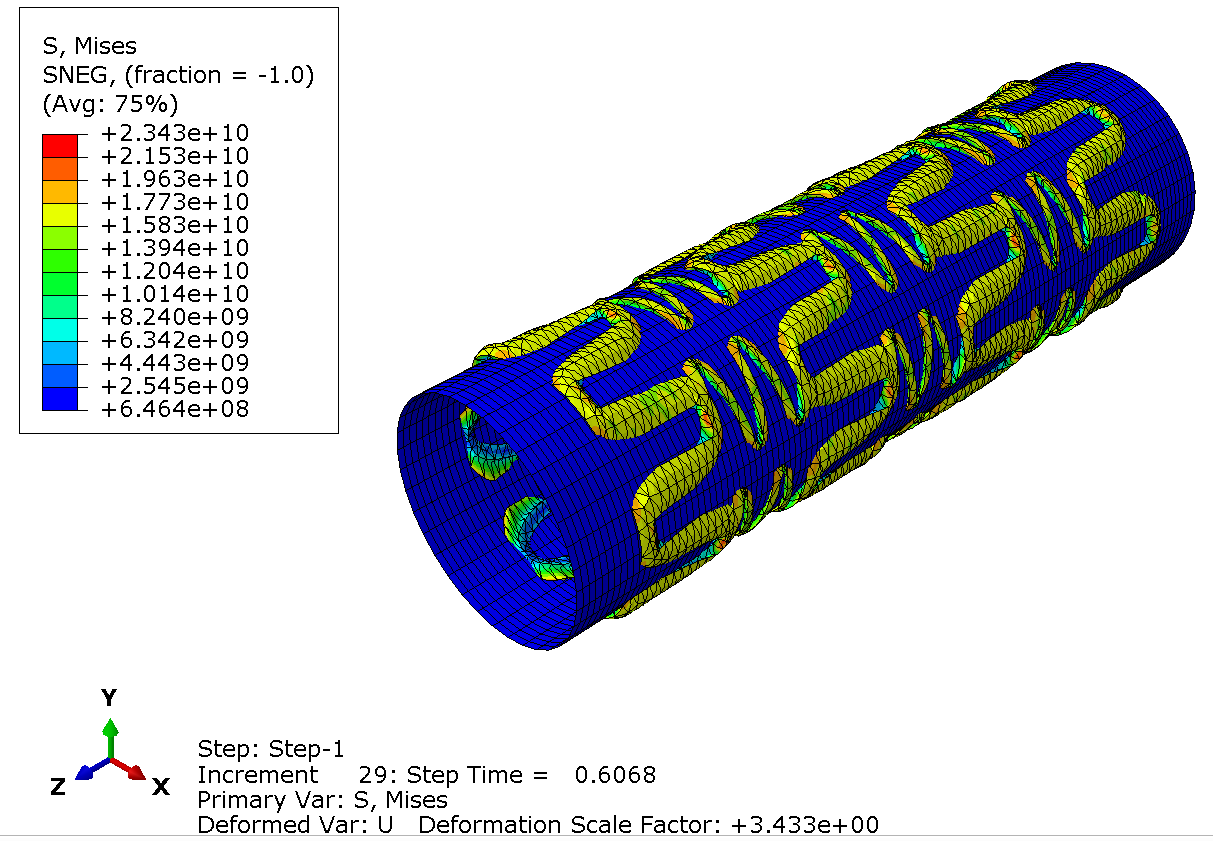
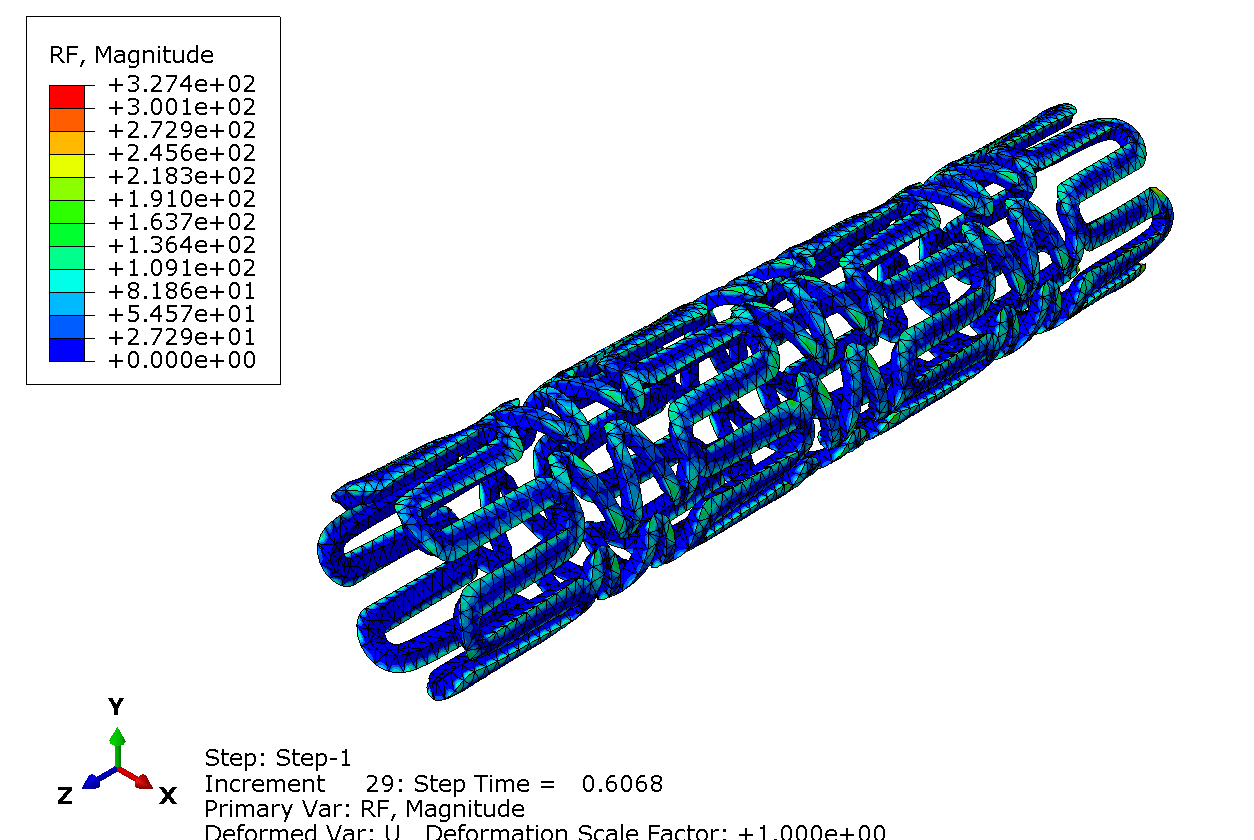
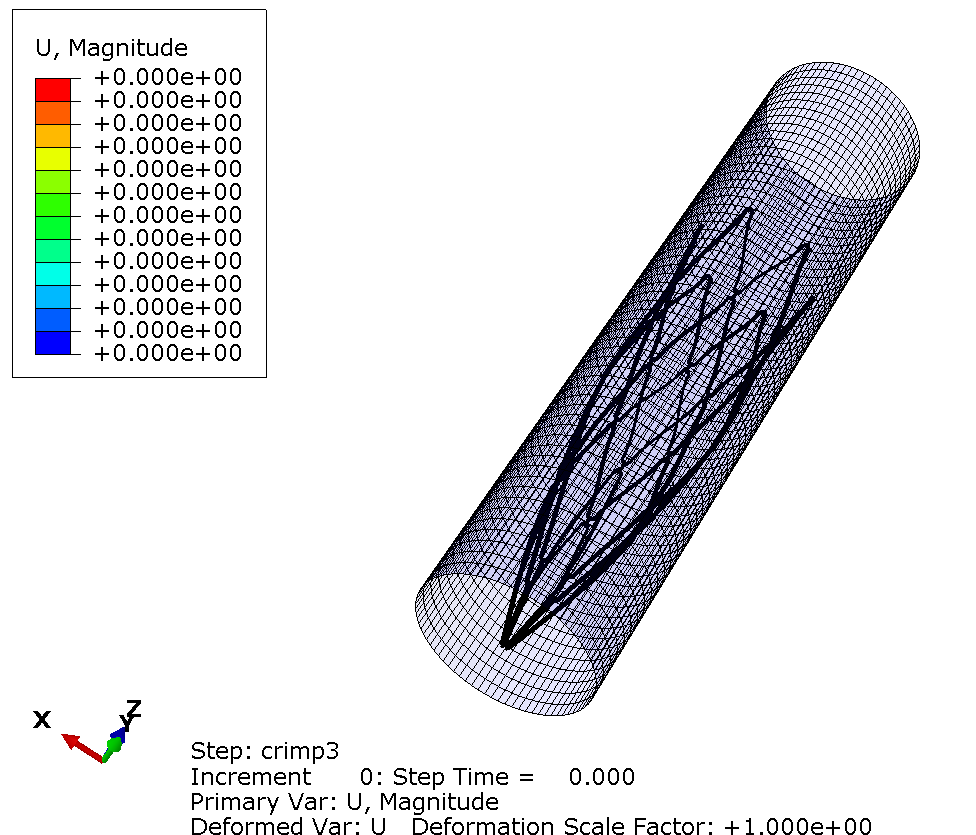
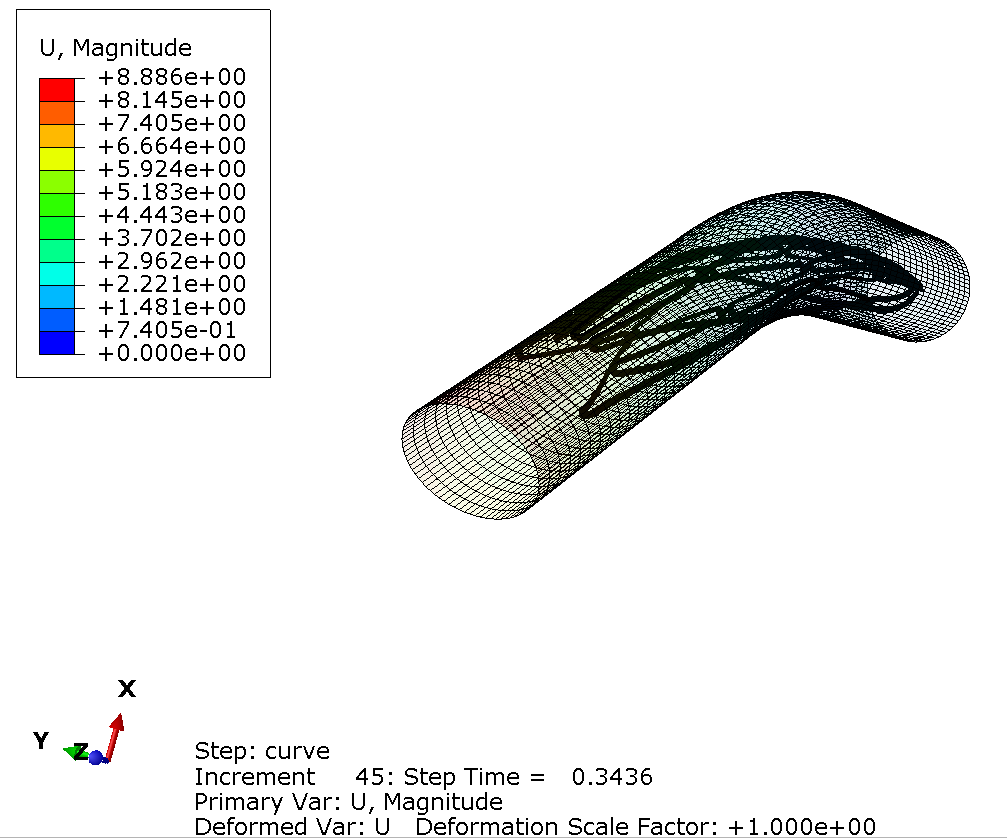
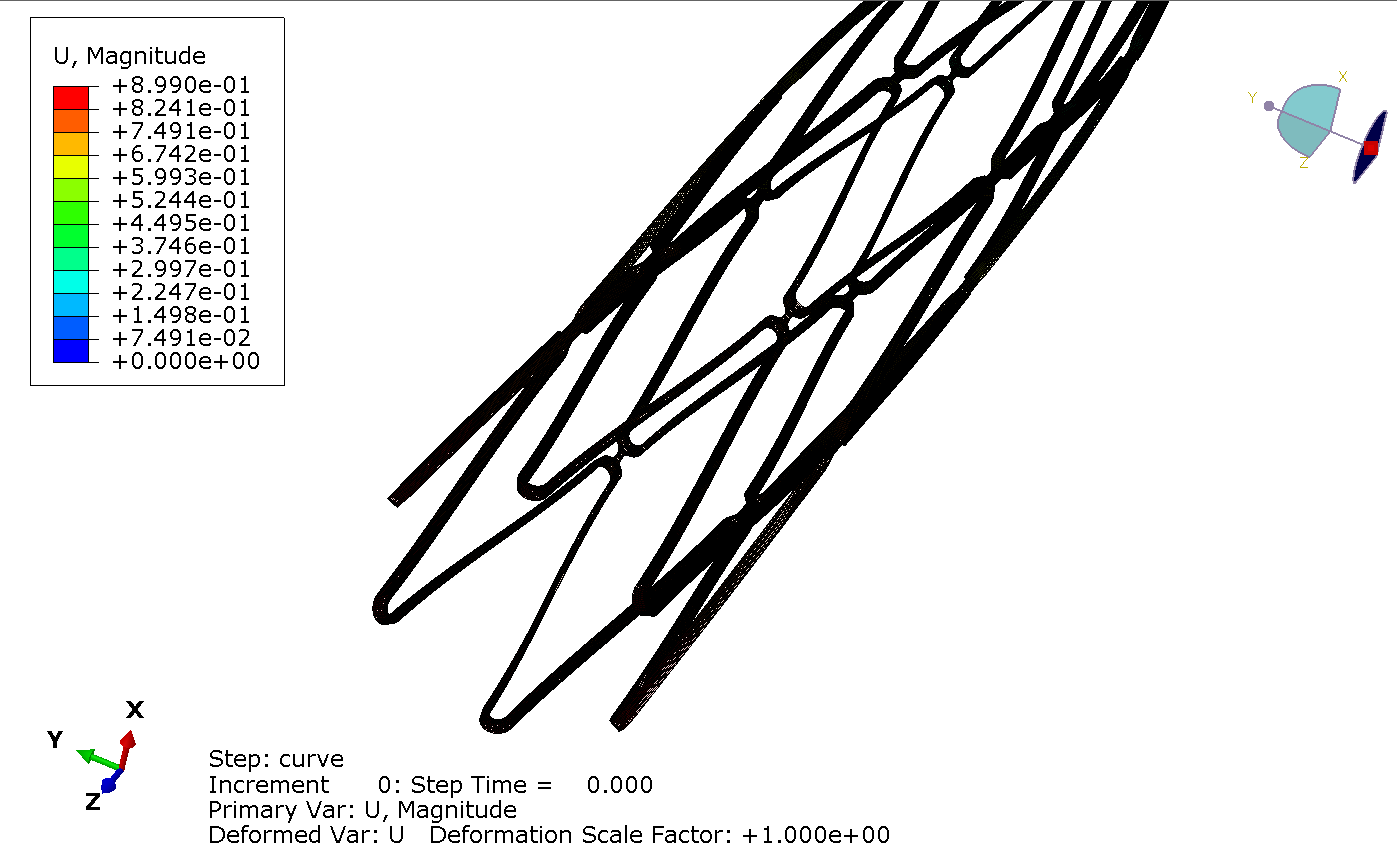
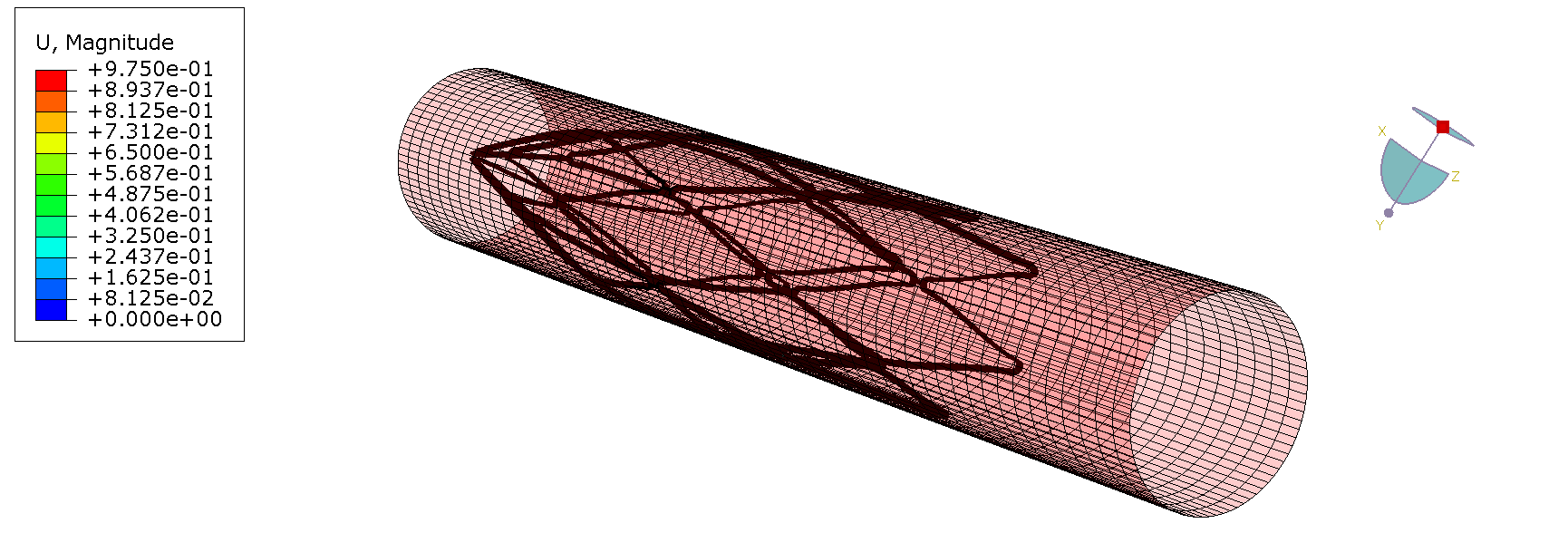
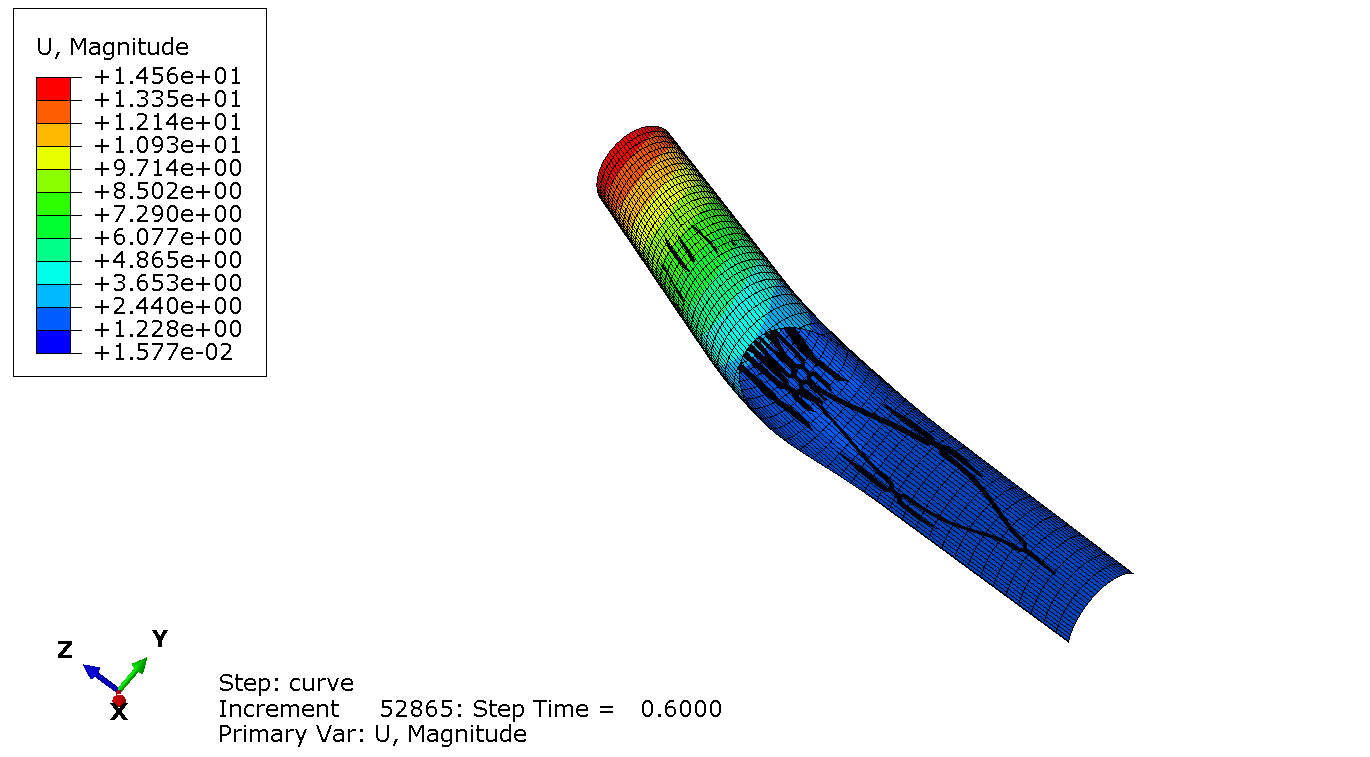
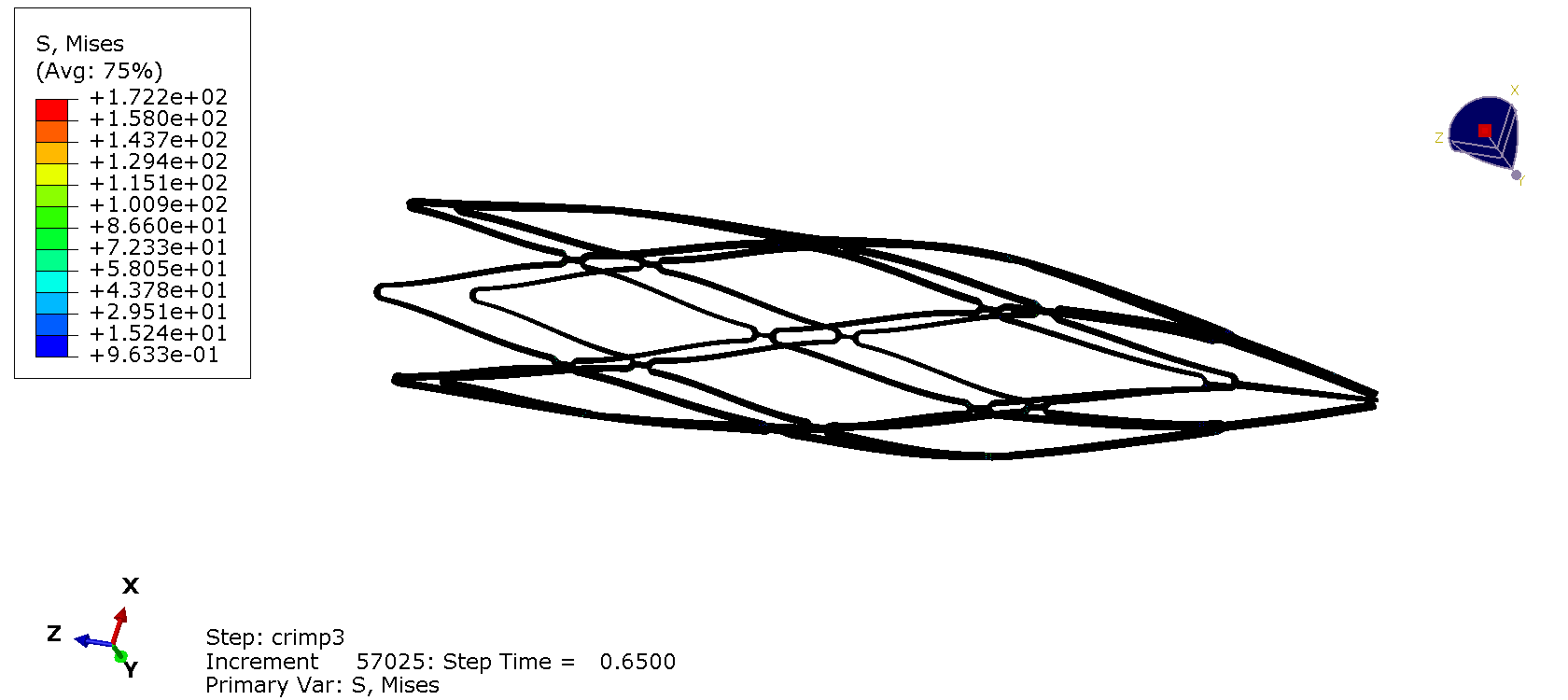
In the Lesson, you will become familiar with how to model cardiovascular stents in Abaqus. To help you easily understand the concepts, we first explain what vascular stents are and their applications in medicine. In a way, you will initially get to know the importance of the topic. After that, we explain the components of a stent used to open vessels in the body, how it works to help keep an artery open, and what characteristics it must have. After you are familiar with the general subject, we will discuss what material stents are usually made of and explain this in more detail.
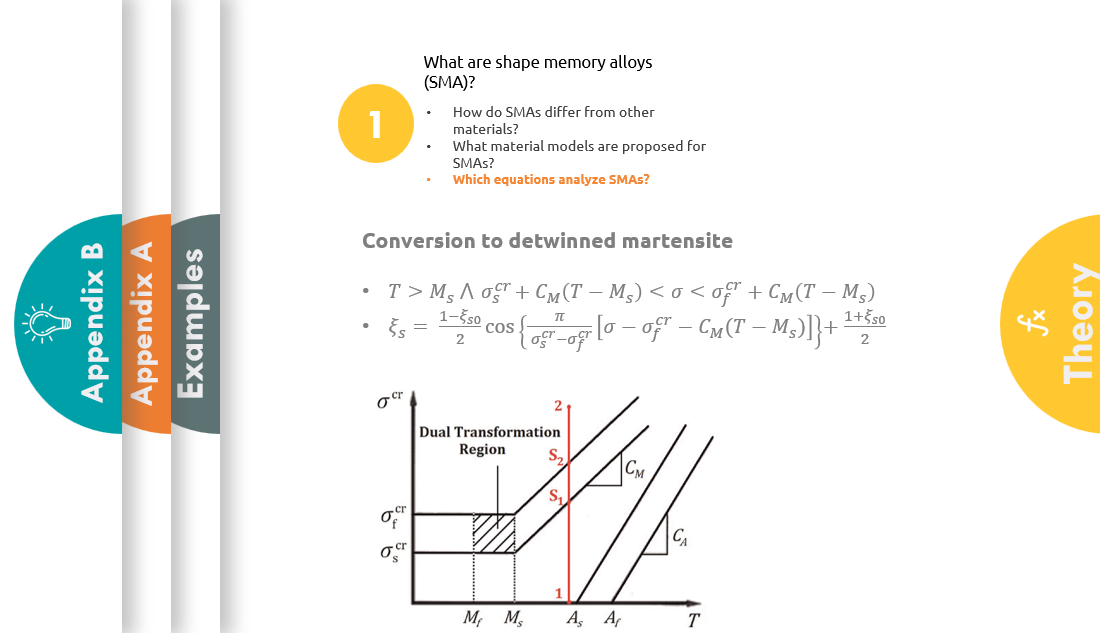
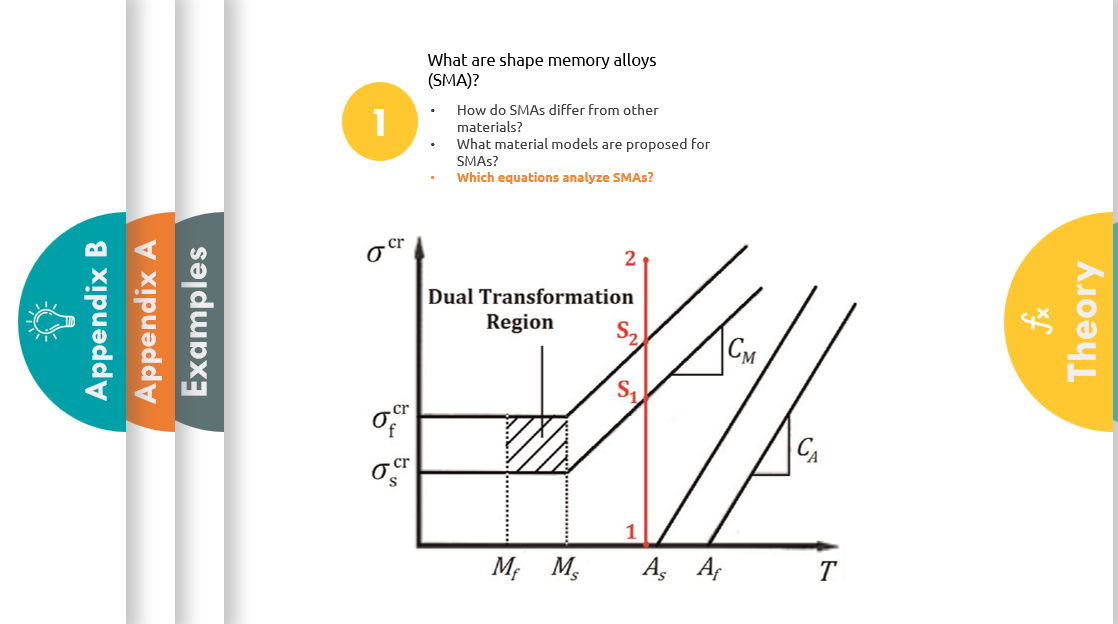
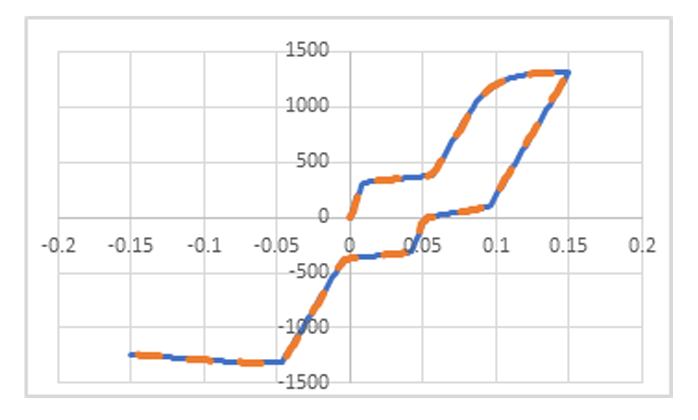
Next, we have fully explained the concepts of the material behavior of SMA (Shape Memory Alloy) and Nitinol alloy. We describe the behavior it exhibits, its parameters, and its features, so you understand what material you are going to model in Abaqus in this tutorial. Due to its complexity, we can consider this part one of the main sections of the training.
In the next step, we will explain how to input the behavior of a stent into Abaqus. For this, we will briefly explain that the first method is the development of a UMAT subroutine, which is really complex to write. However, the second method, which works in Abaqus versions up to 2023, is the use of a UMAT code-based library called ABQ_SUPER_ELASTIC. We will cover all its parameters and how to use it for you. Finally, as a third method, we will show that in newer versions of Abaqus, you can define this behavior without using additional tools, directly in Abaqus’s own material library. By the end of this section, you will have a sufficient command of how to incorporate material behavior in Abaqus.







 English
  Korean
  Chinese
Reviews
There are no reviews yet.