
如何模拟混凝土损伤塑性? | 不同混凝土的精确参数
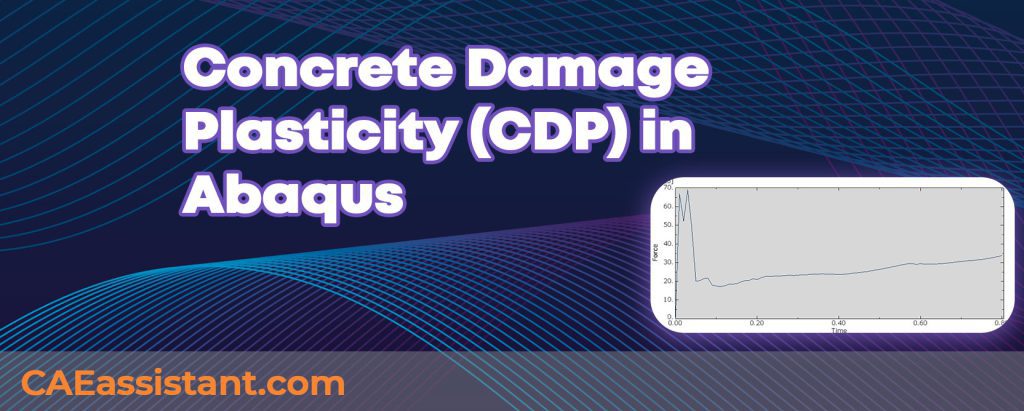
To model Concrete Damage Plasticity (CDP) effectively, you need a precise mix of elastic, plastic, and damage parameters—most of which can be found in validated research data like the SCDP tables or specialized UHPC calibrations; but we made it easy for you and we have it all in this blog. Whether you are analyzing a […]
什么是传热和传热分析?| 简明指南 + Abaqus 传热分析

heat transfer is the movement of thermal energy due to temperature difference. Heat transfer analysis, on the other hand, is the engineering process of calculating and predicting that movement. This analysis matters because it solves real problems: preventing overheating in electronics, improving fuel efficiency in cars, or designing comfortable HVAC systems. For example, aerospace engineers […]
超弹性材料基础 | 从理论到Abaqus仿真演练

A hyperelastic material is a type of material that can undergo very large elastic deformations and then fully recover its original shape. This unique property sets them apart from standard materials like metals or plastics, which often yield or break when pushed beyond their limits. That’s why rubbers, elastomers, and biological tissues are grouped under […]
支架模拟 | 材料、步骤和 Abaqus 实用指南

Cardiovascular diseases are among the leading causes of death worldwide, often caused by plaque buildup that narrows or blocks arteries. One of the most effective treatments is the use of cardiovascular stents—tiny, mesh-like tubes that keep blood vessels open and restore healthy circulation. Over the years, stent technology has evolved from bare-metal designs to advanced […]
FDM仿真指南 | 熔融沉积成型基础知识
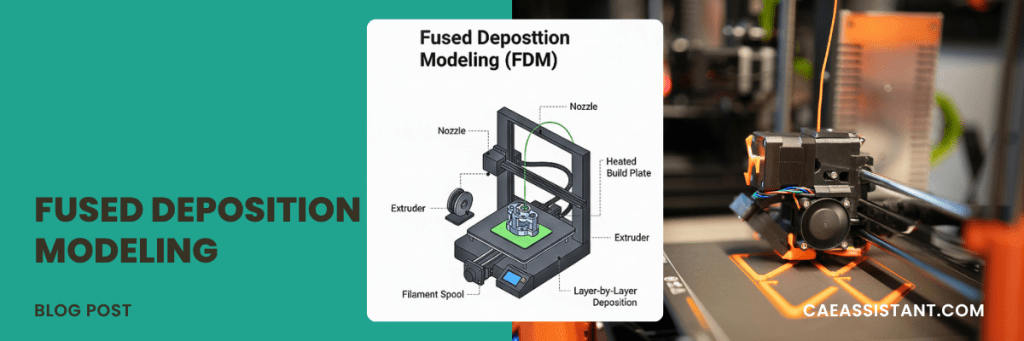
Fused Deposition Modeling process (FDM) is one of the most common methods in 3D printing, where thermoplastic material is melted and deposited layer by layer to create an object. FDM simulation is valuable for predicting how printed parts will behave under different conditions, allowing engineers to detect issues early and improve designs efficiently before production. […]
各向同性材料与各向异性材料 | 基础知识和示例

Isotropic materials are those whose mechanical and physical properties are the same in all directions. When engineers design structures or perform simulations using Finite Element Analysis (FEA), one of the most fundamental assumptions they make concerns whether a material behaves the same in all directions. This leads to the concept of isotropic materials, which play […]
Abaqus UEXTERNALDB 子程序 | 分步指南
When working with complex simulations in Abaqus, there often comes a point where built-in tools aren't enough. Whether you're integrating data from a previous run, feeding in external data sets, or saving simulation results for further analysis — this is where UEXTERNALDB Subroutine shines. In this complete guide, we break down everything you need to [...]转动惯量与面积矩——你需要知道的一切尽在一份简明指南

Have you ever seen a figure skater pull her arms close to her body and spin faster? Most people would say, “Wow! How amazing she is! How beautiful she is!”But we engineers think, “Why does she spin faster?”The answer: Moment of Inertia. We refer it in this blog as “MoI”. Now imagine a bridge under heavy traffic, packed with […]
剪力和弯矩完整指南 + 图解
Ever noticed how bridges carry tons of weight without collapsing? Or how buildings stand firm against both people and weather? It’s not magic—it’s physics. And two of the most important concepts behind this stability are shear force and bending moment. To grasp shear force, think about cutting a piece of paper with scissors. The opposing forces cause the paper to shear. […]
Abaqus混凝土梁柱分析简介
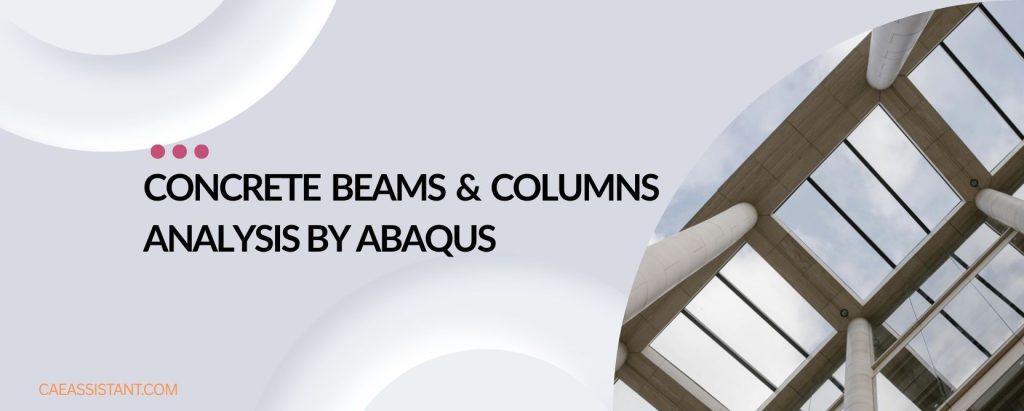
Reinforced concrete columns and beams are the backbone of modern structures, ensuring stability and strength in buildings and bridges. While concrete alone has high compressive strength, it is weak in tension. That’s why reinforcement, typically with steel rebar, is essential to prevent cracking, buckling, and failure under heavy loads. Without proper reinforcement and design, these […]
 English
  Korean
  Chinese