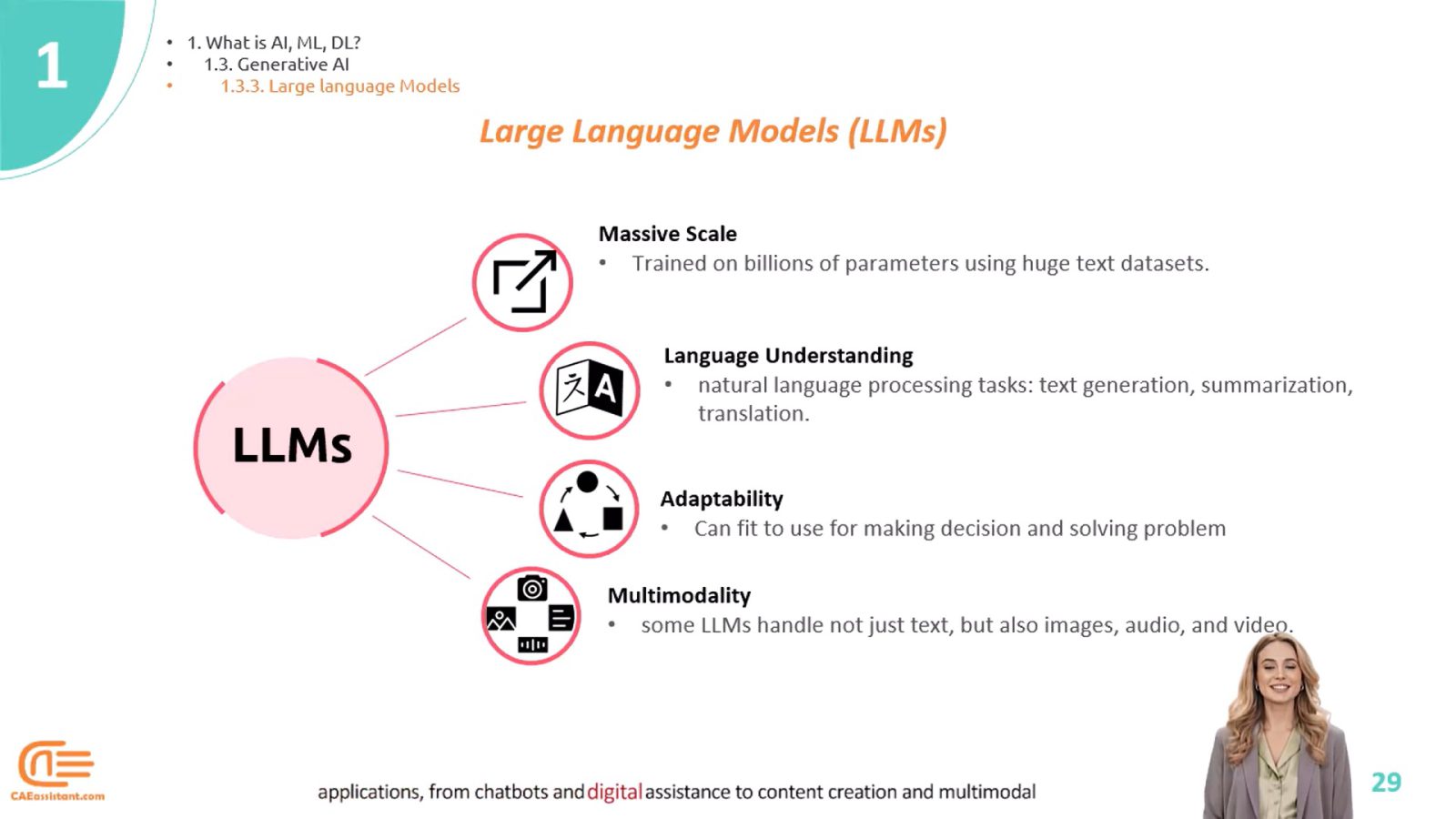
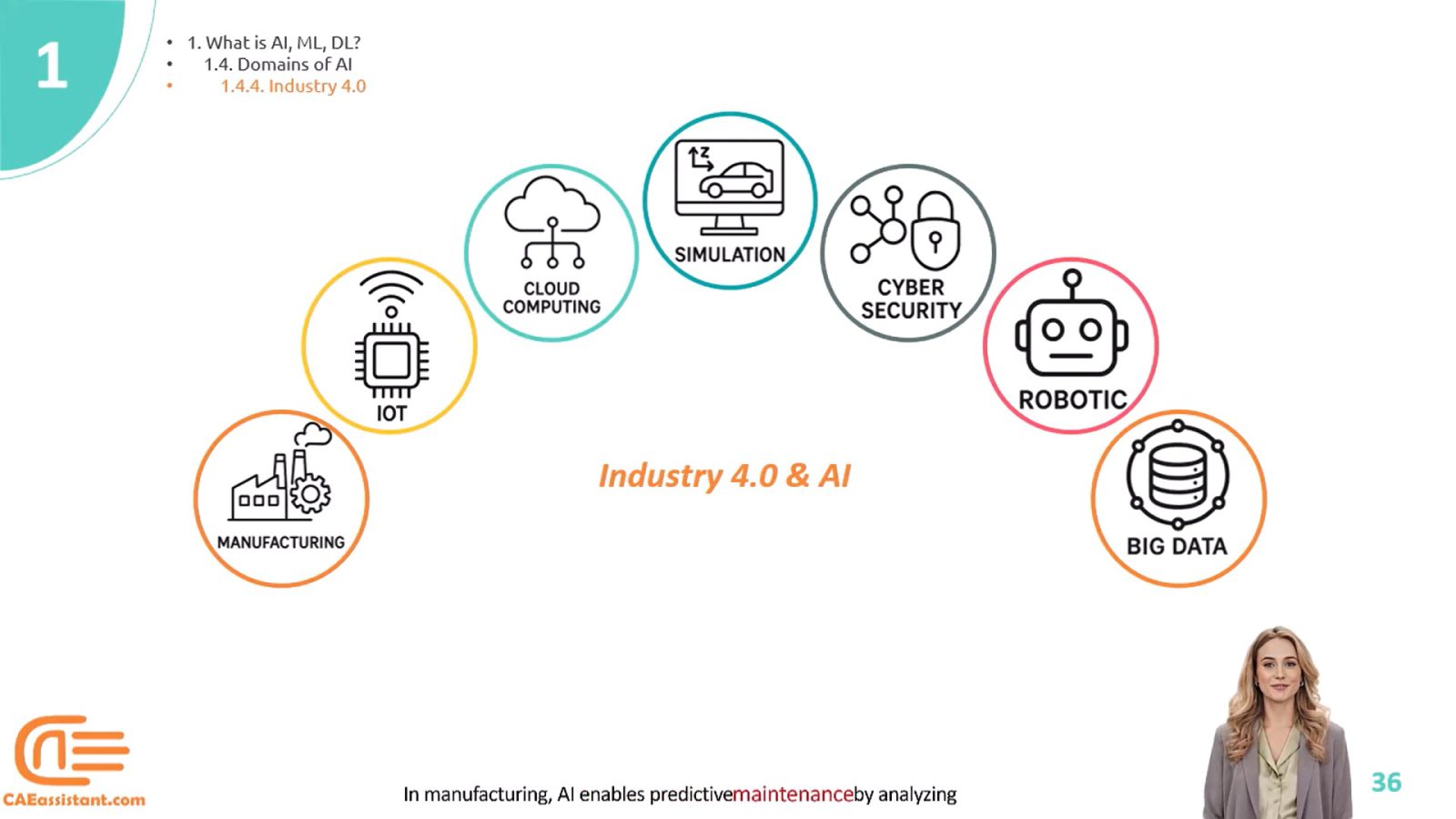
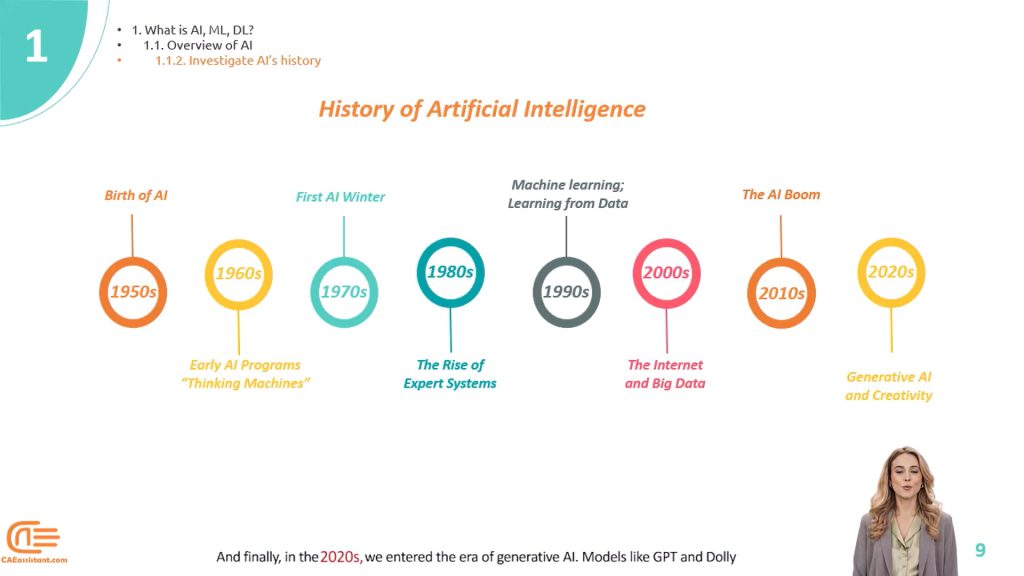
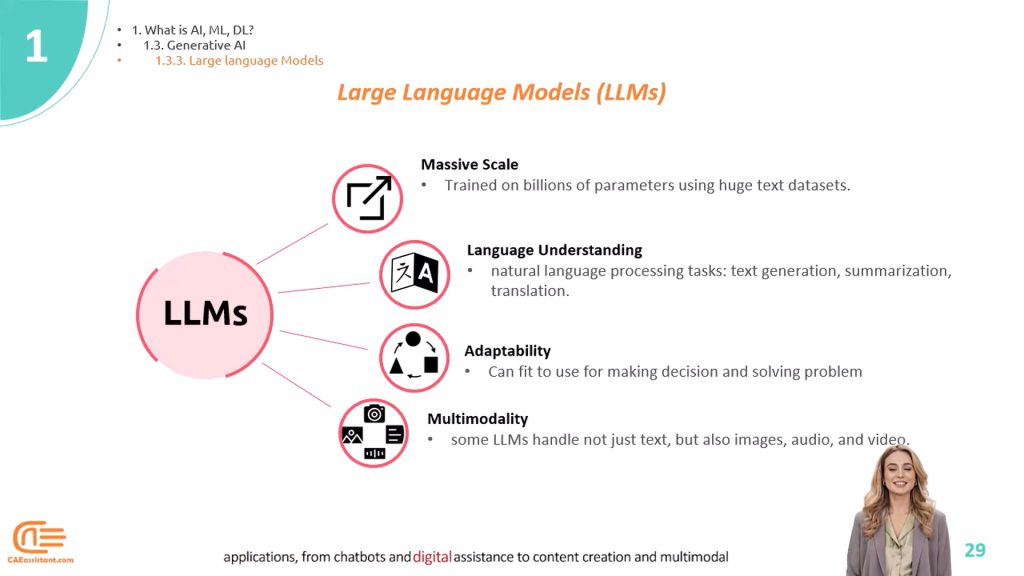
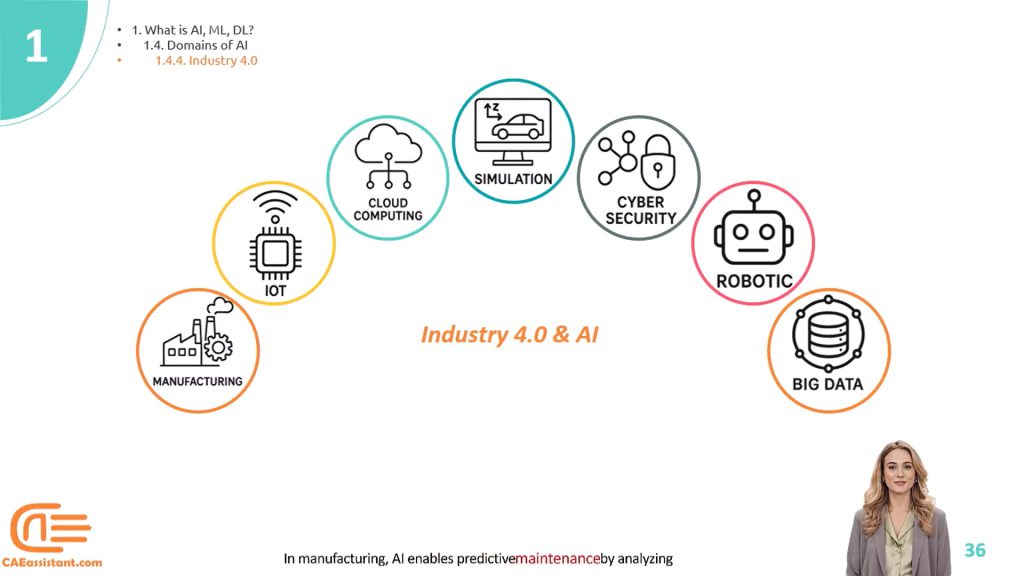
The module then explores Generative AI, explaining large language models, generative design models, and their real-world applications. Participants will see how AI technologies such as natural language processing, computer vision, and autonomous systems contribute to the broader landscape of Industry 4.0.
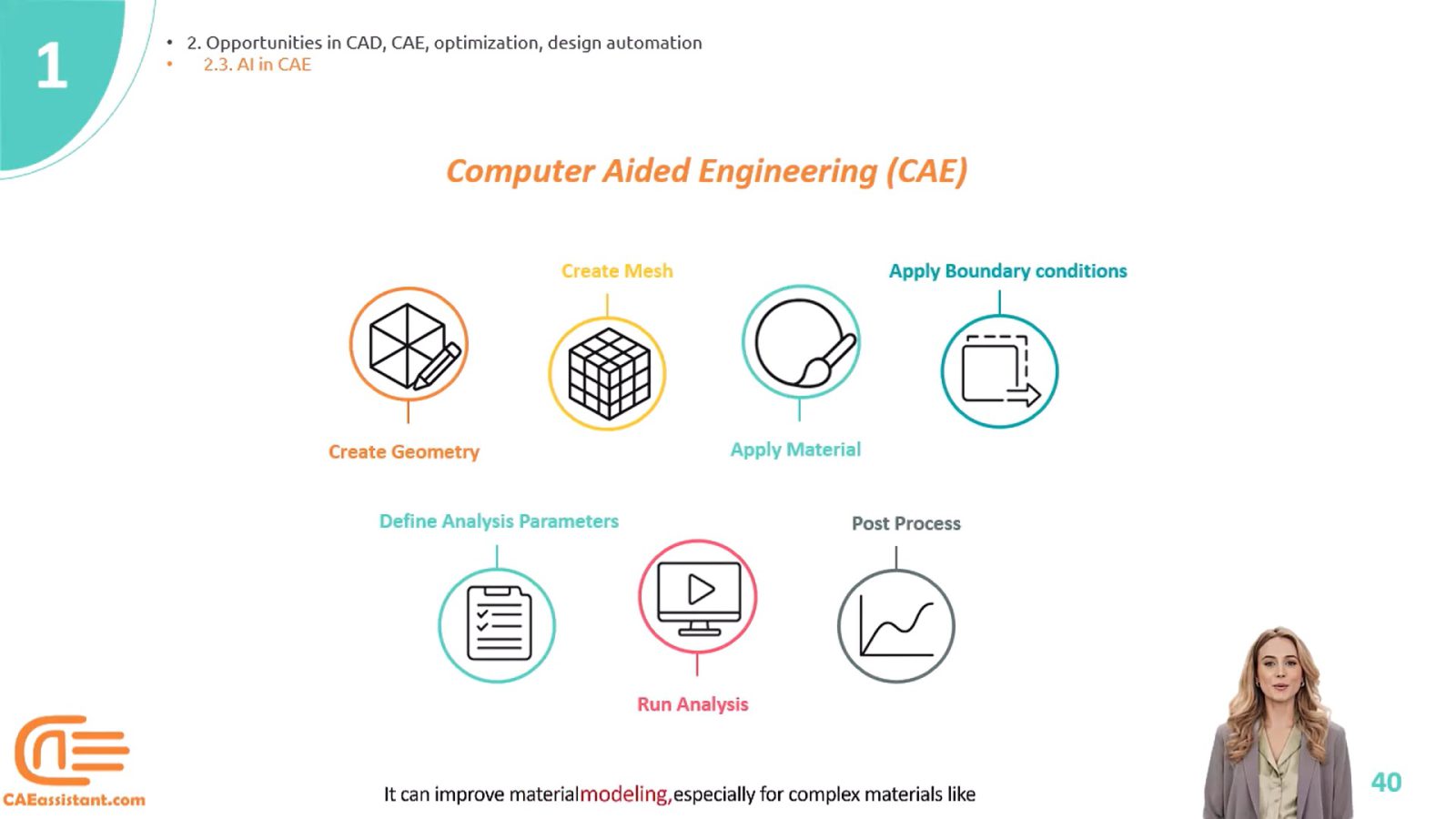
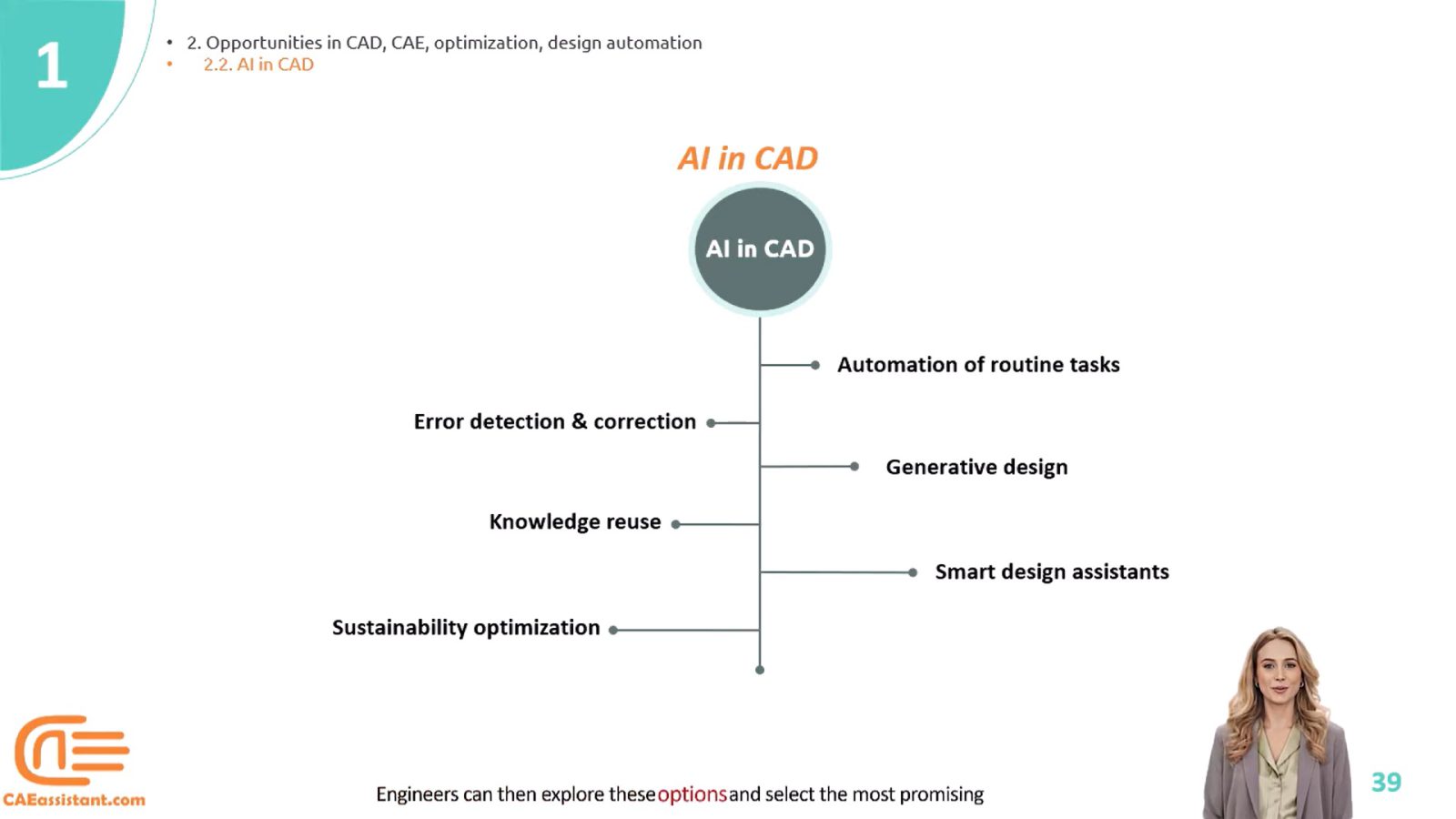
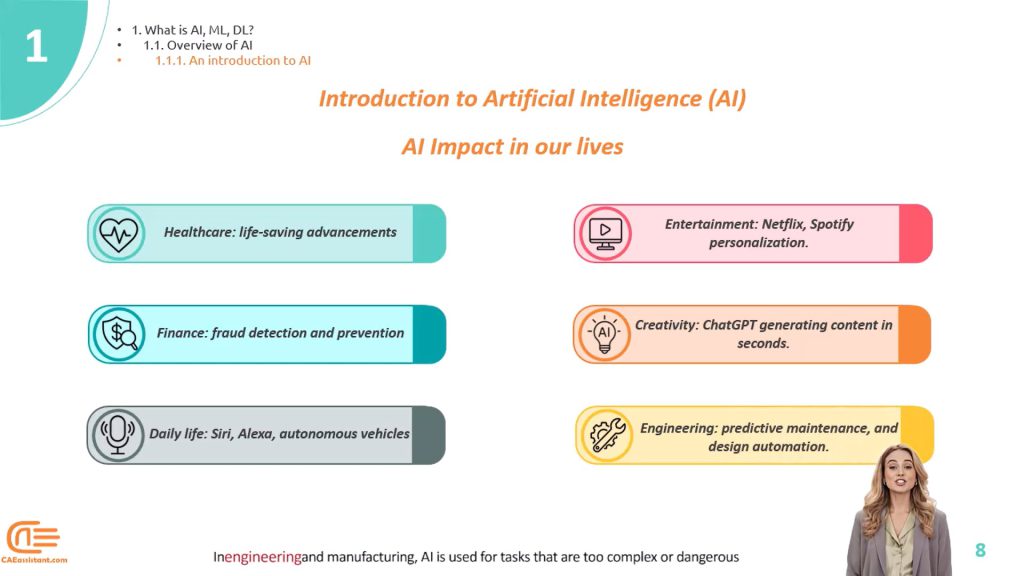
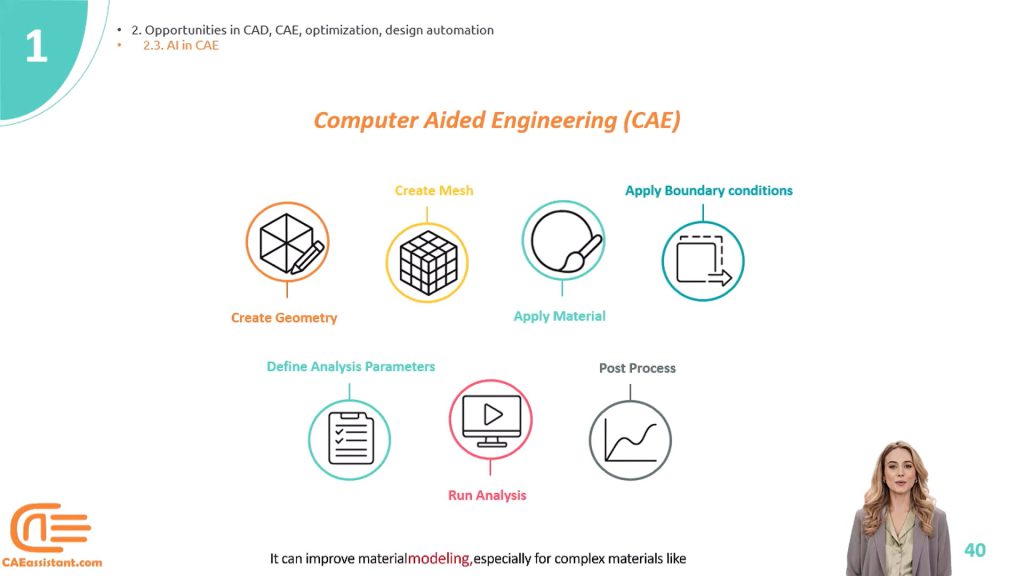
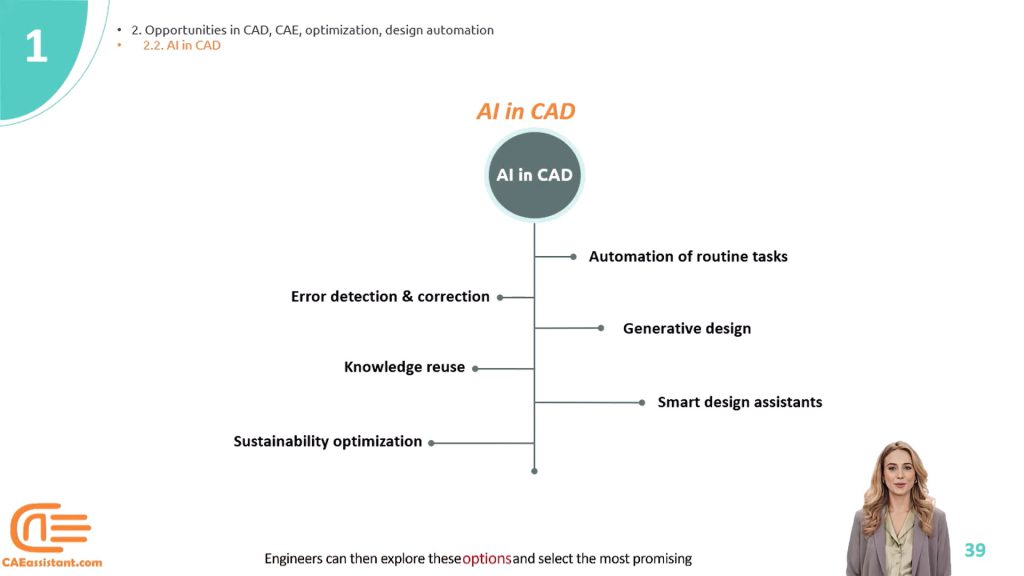
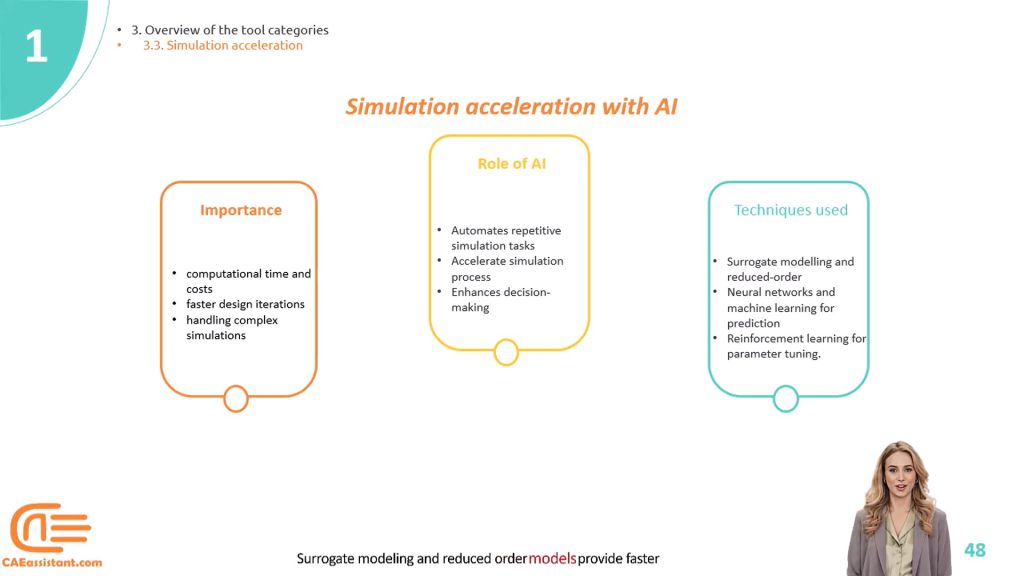
In the second part, attention shifts to AI opportunities in CAD, CAE, optimization, and design automation, highlighting how intelligent algorithms support modeling, simulation, and design decision-making. Finally, the module introduces the three main AI tool categories—generative design, predictive modeling, and simulation acceleration—establishing the framework for the practical modules that follow.
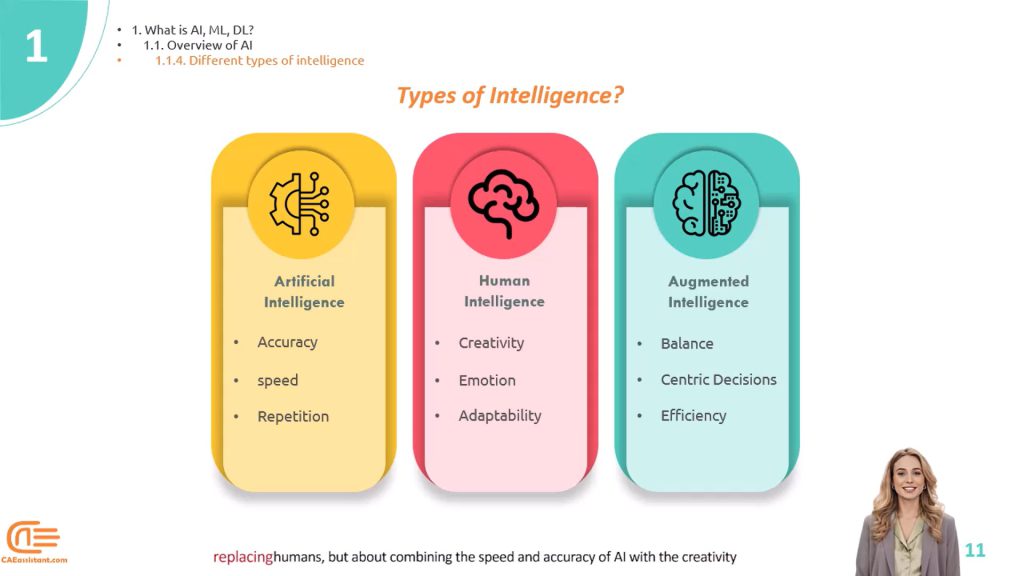
By completing Module 1, participants gain the conceptual foundation and context required to apply AI methods effectively within mechanical engineering workflows.
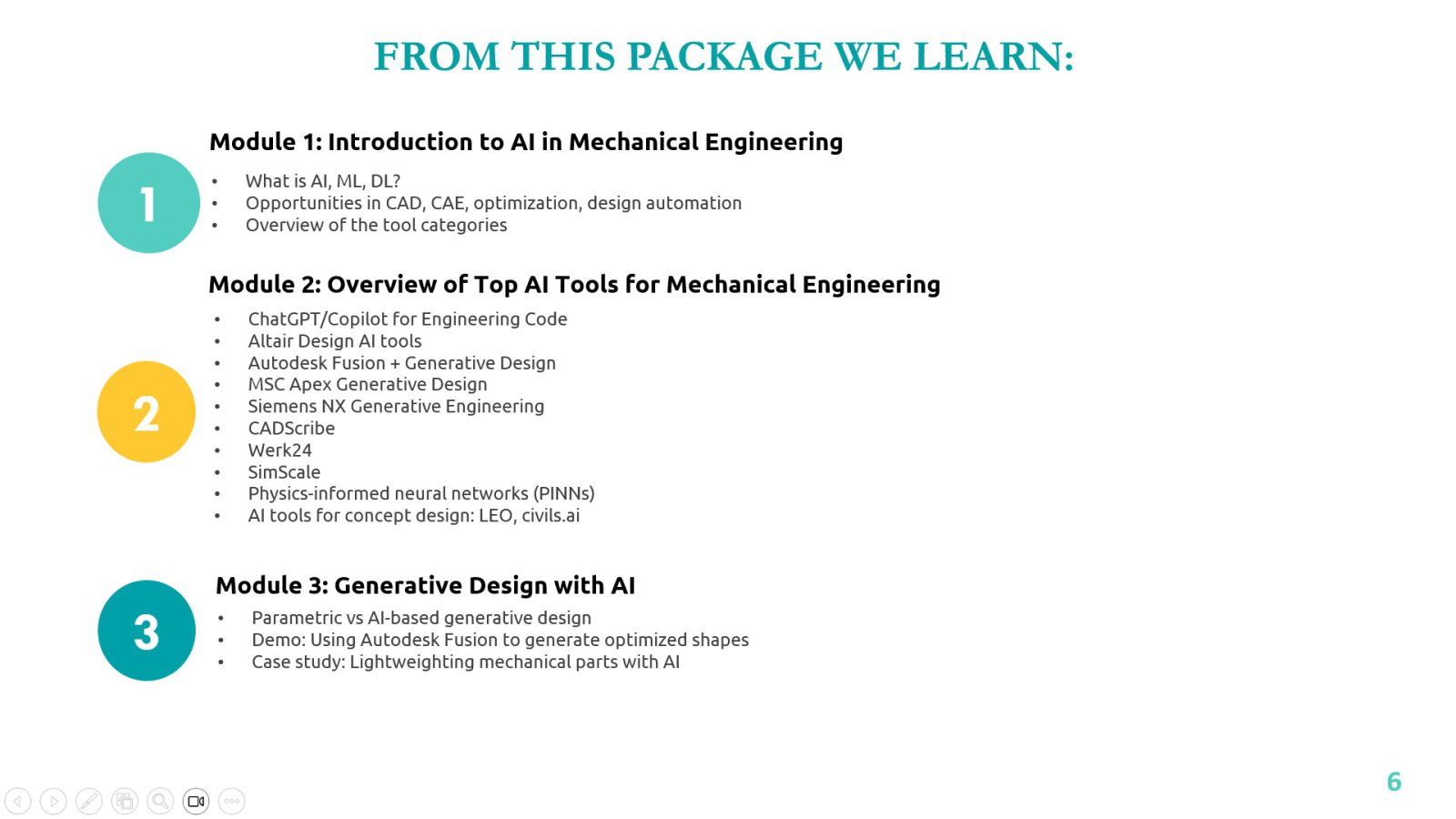
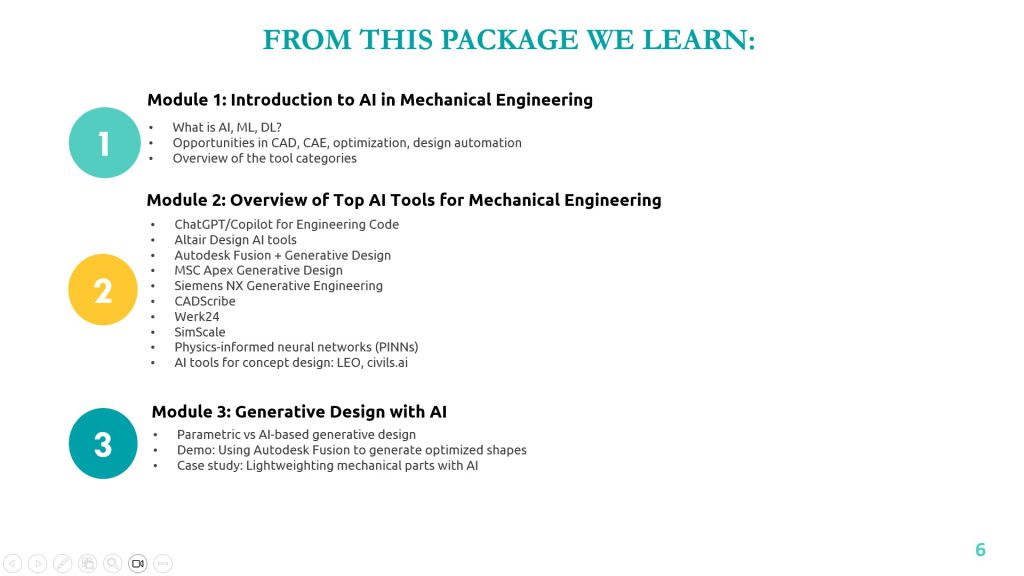
Module 2: Overview of Top AI Tools for Mechanical Engineering
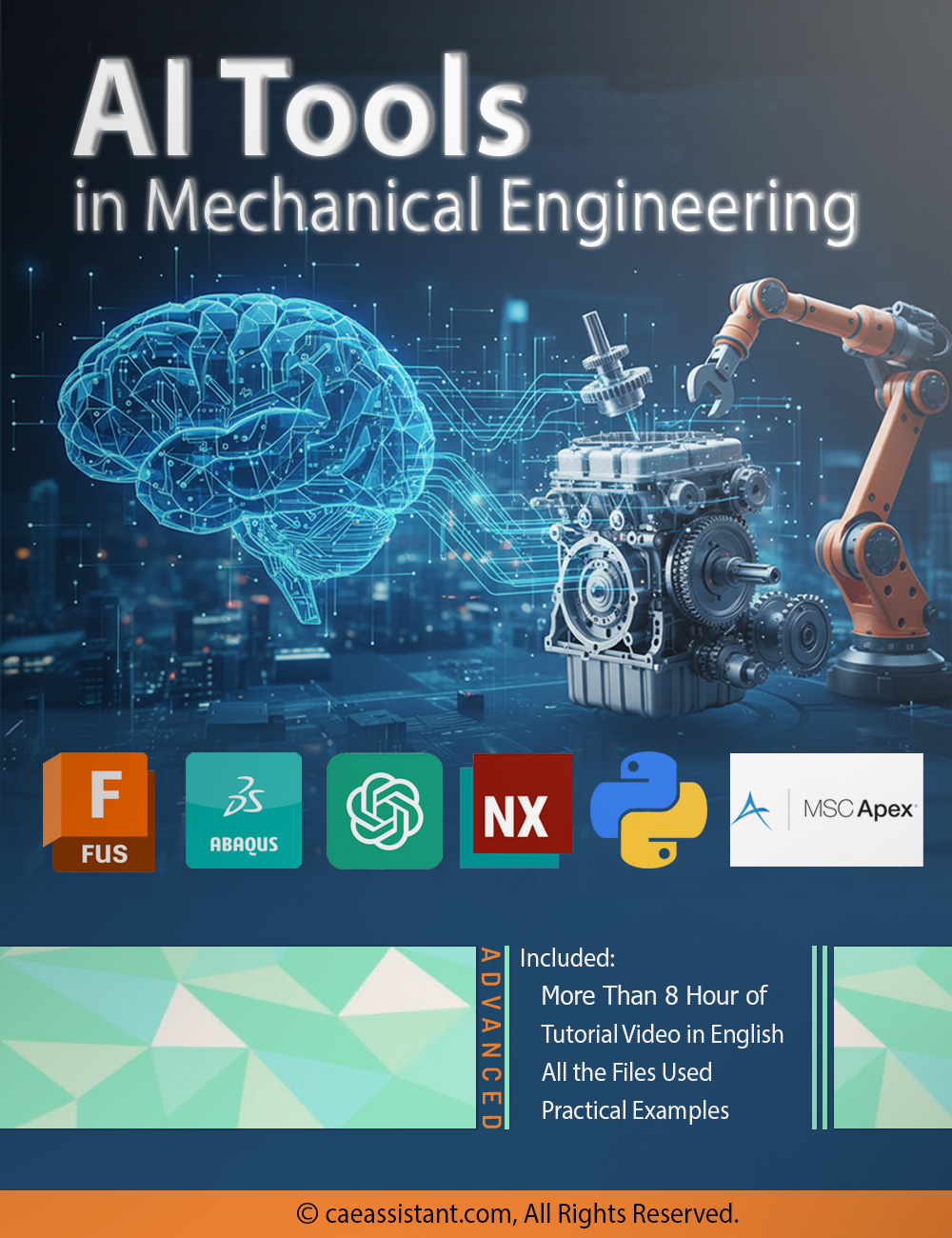
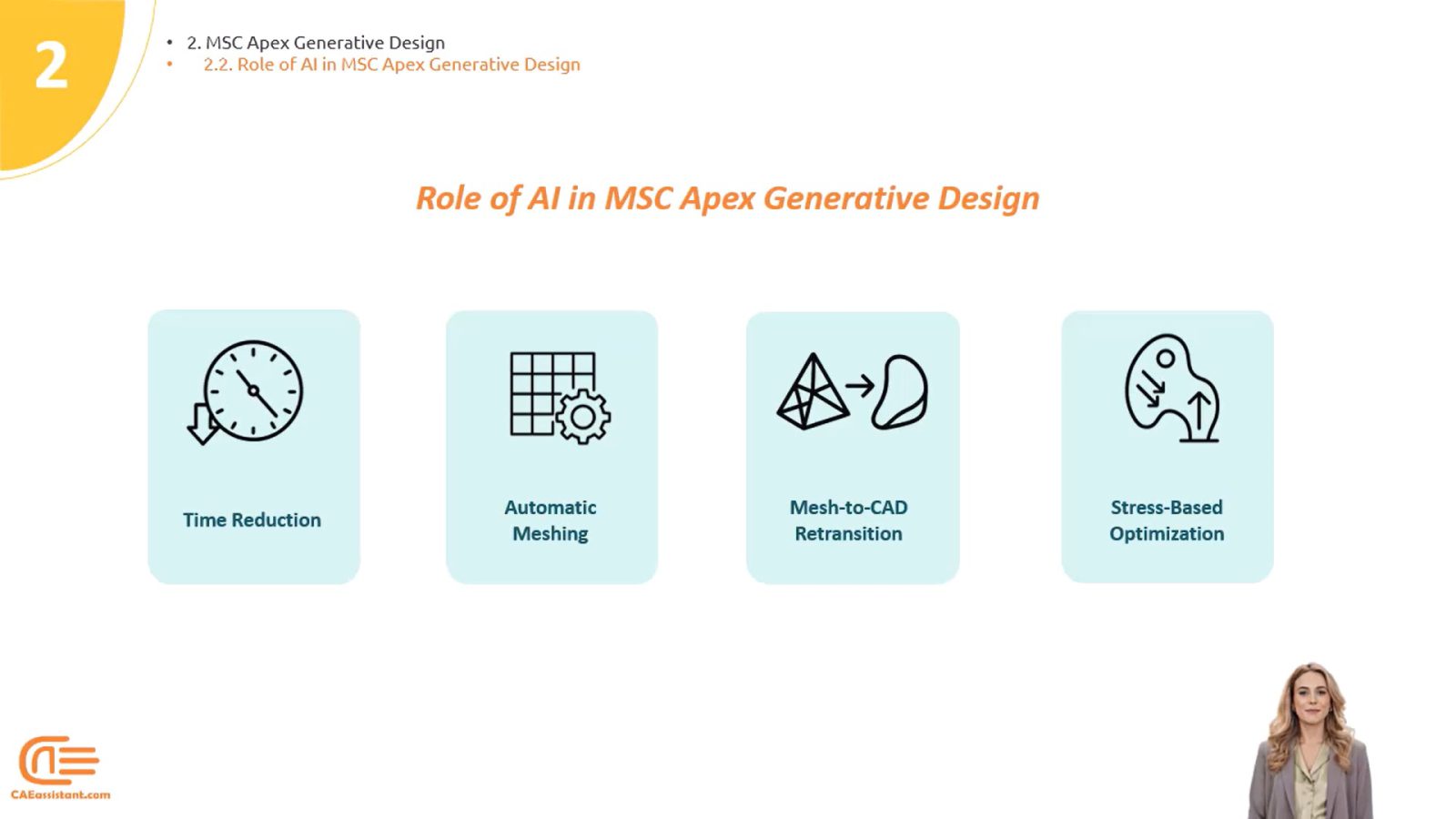
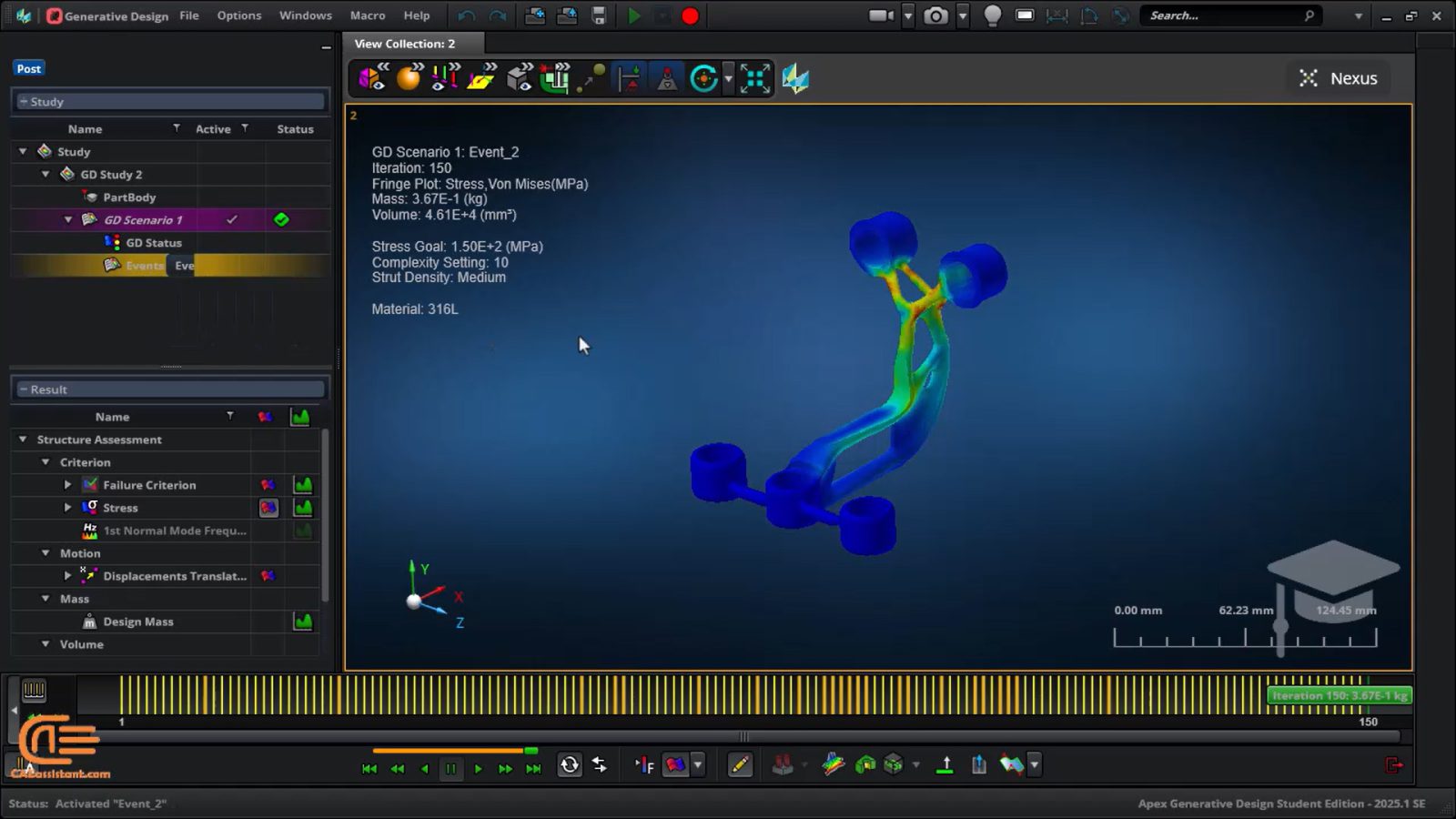
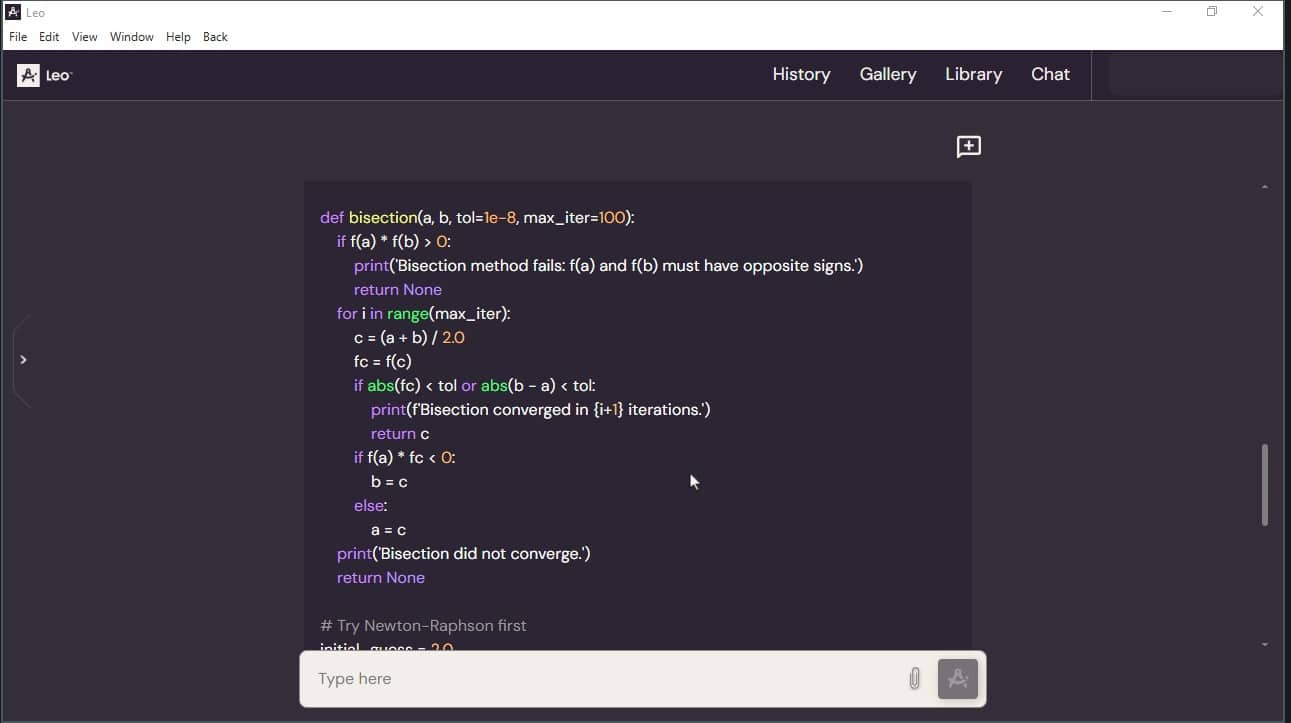
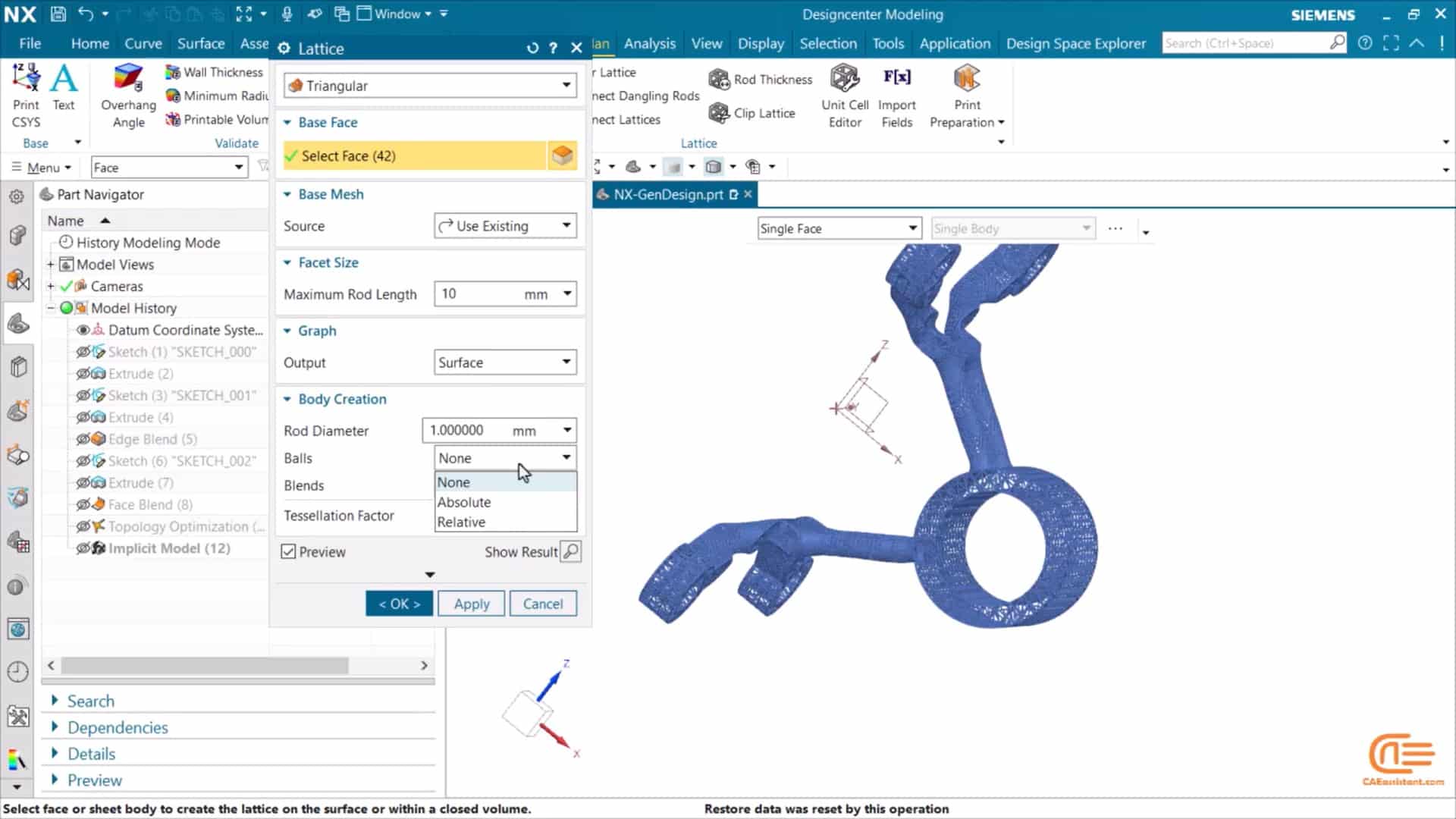
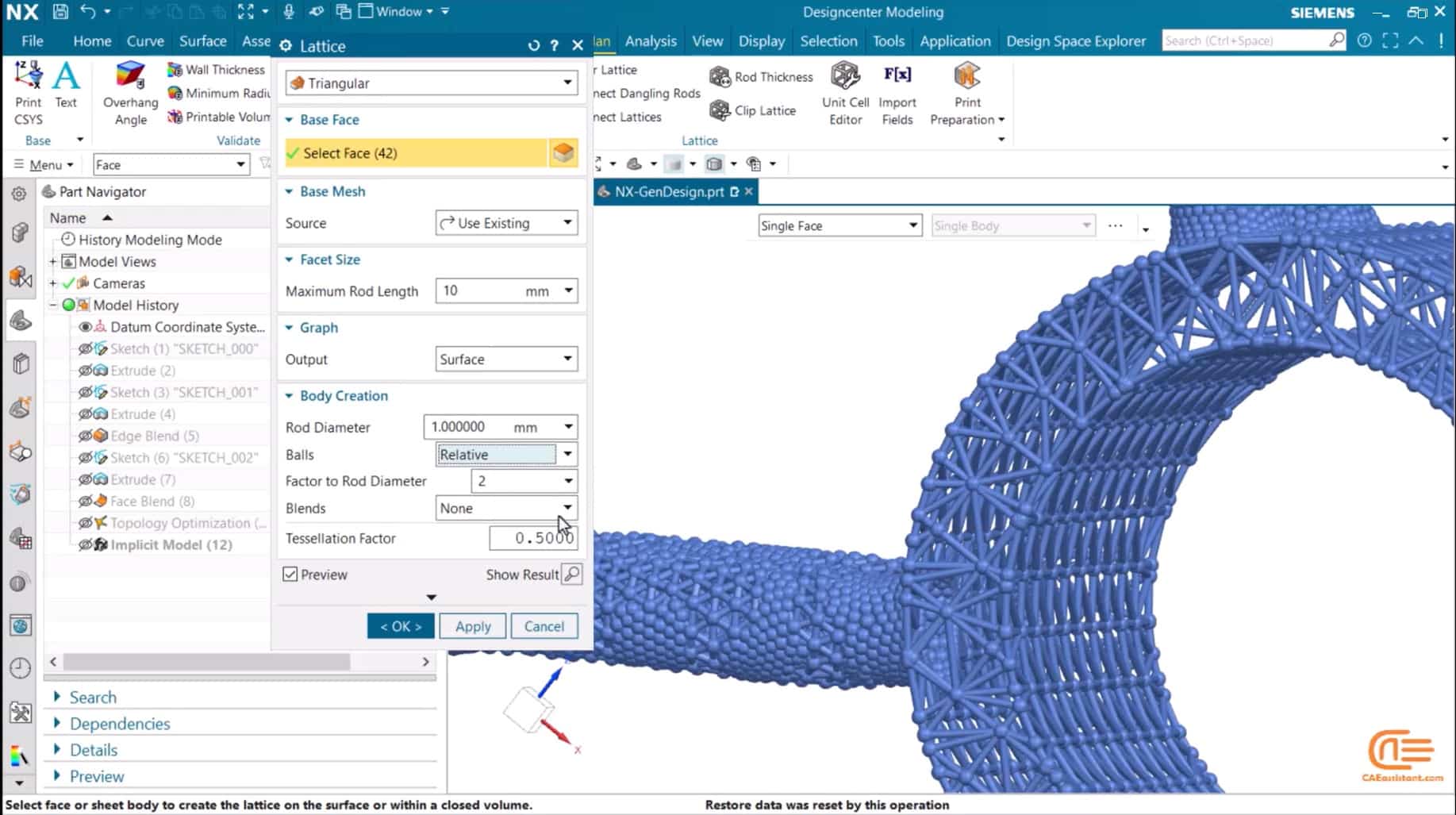
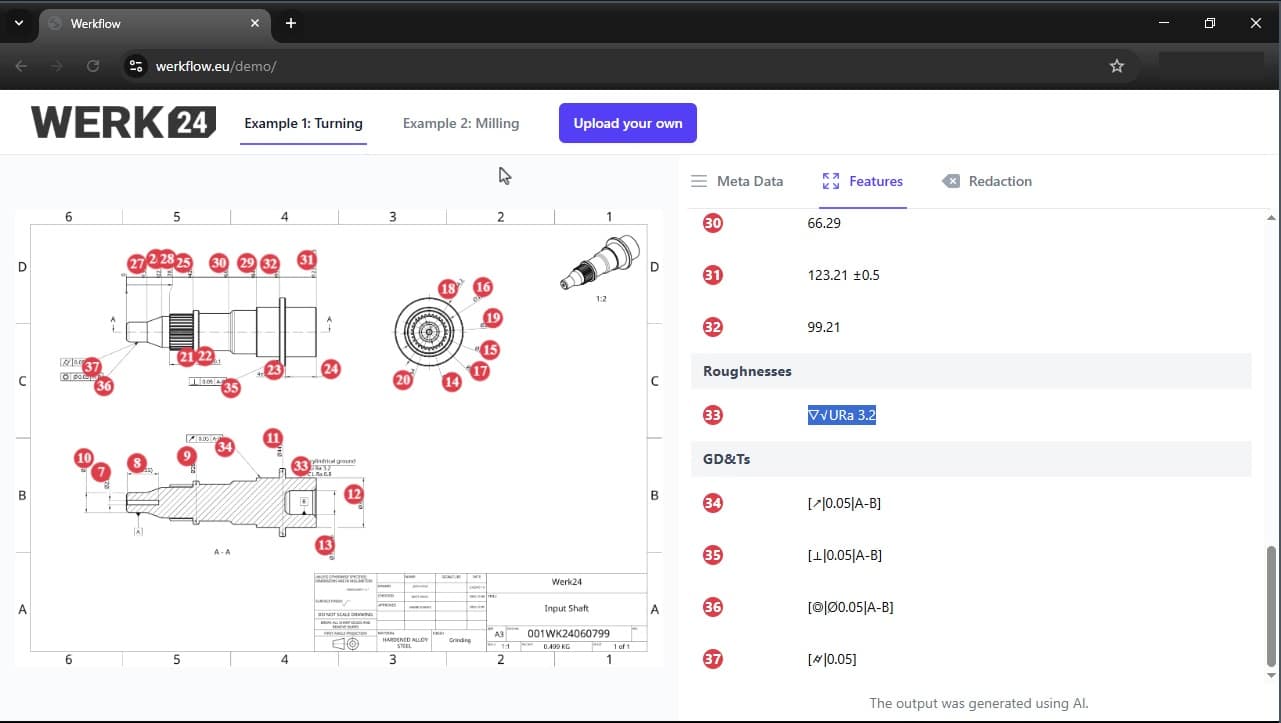
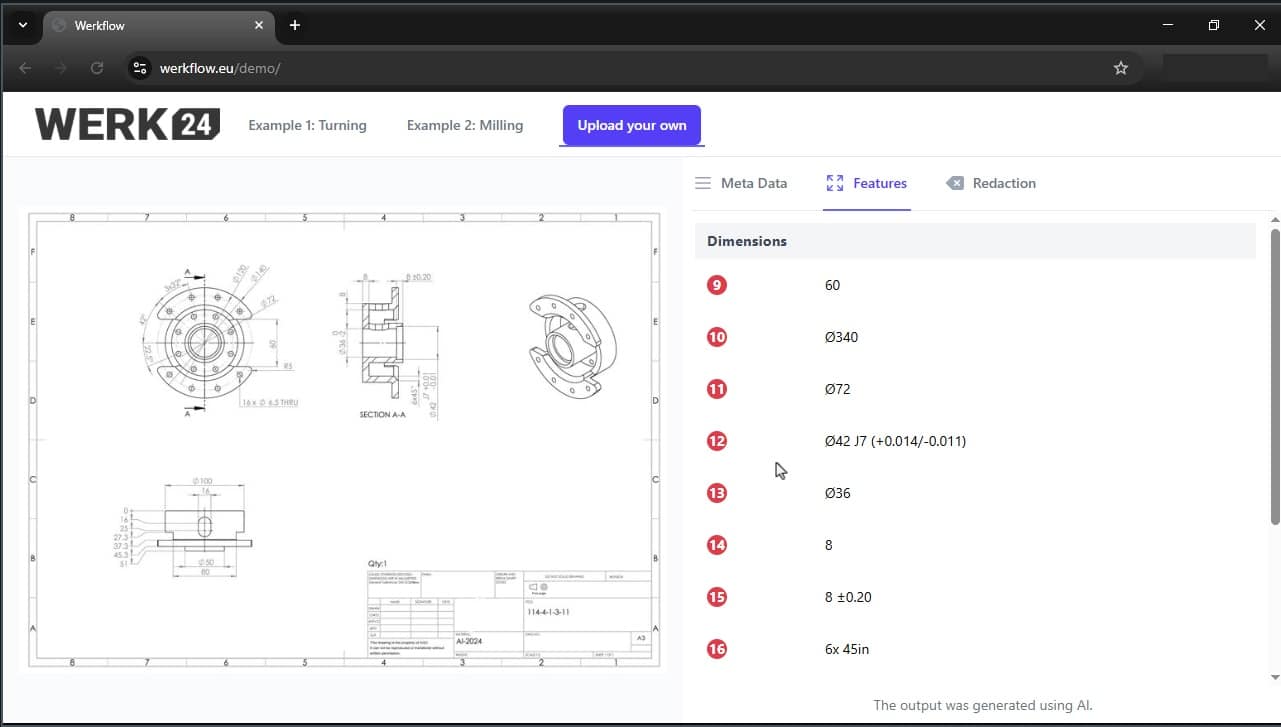
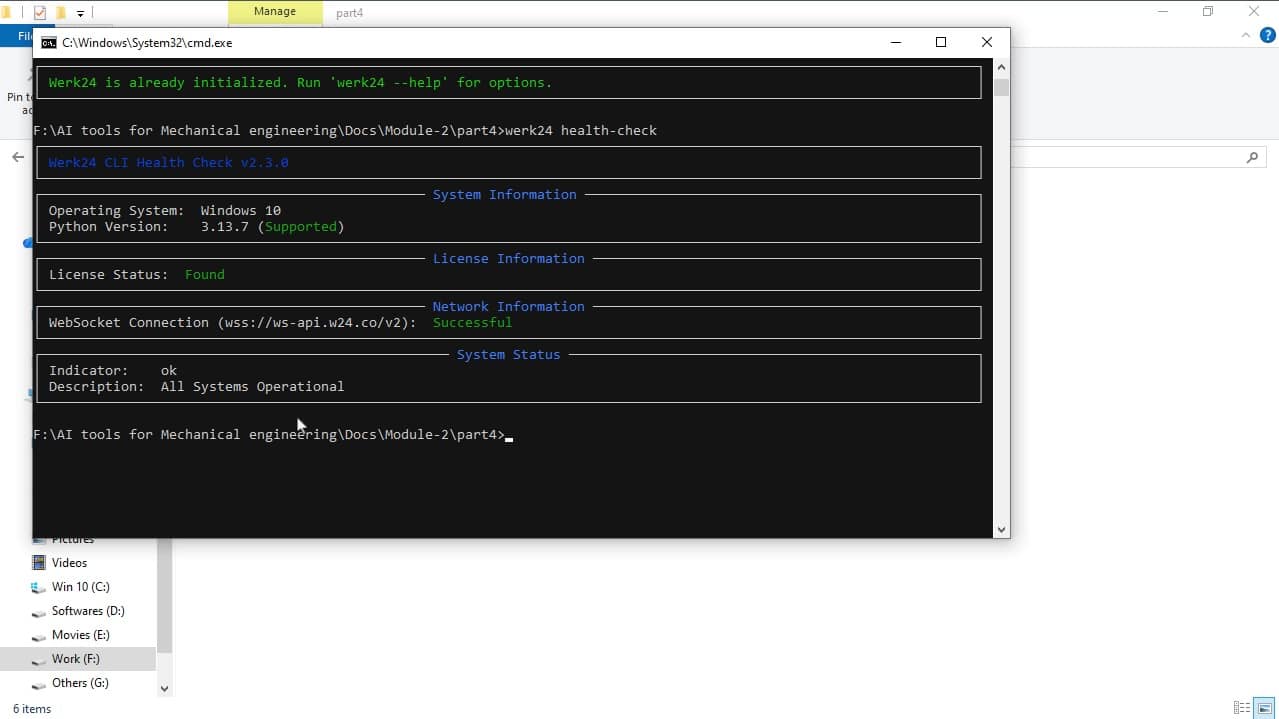
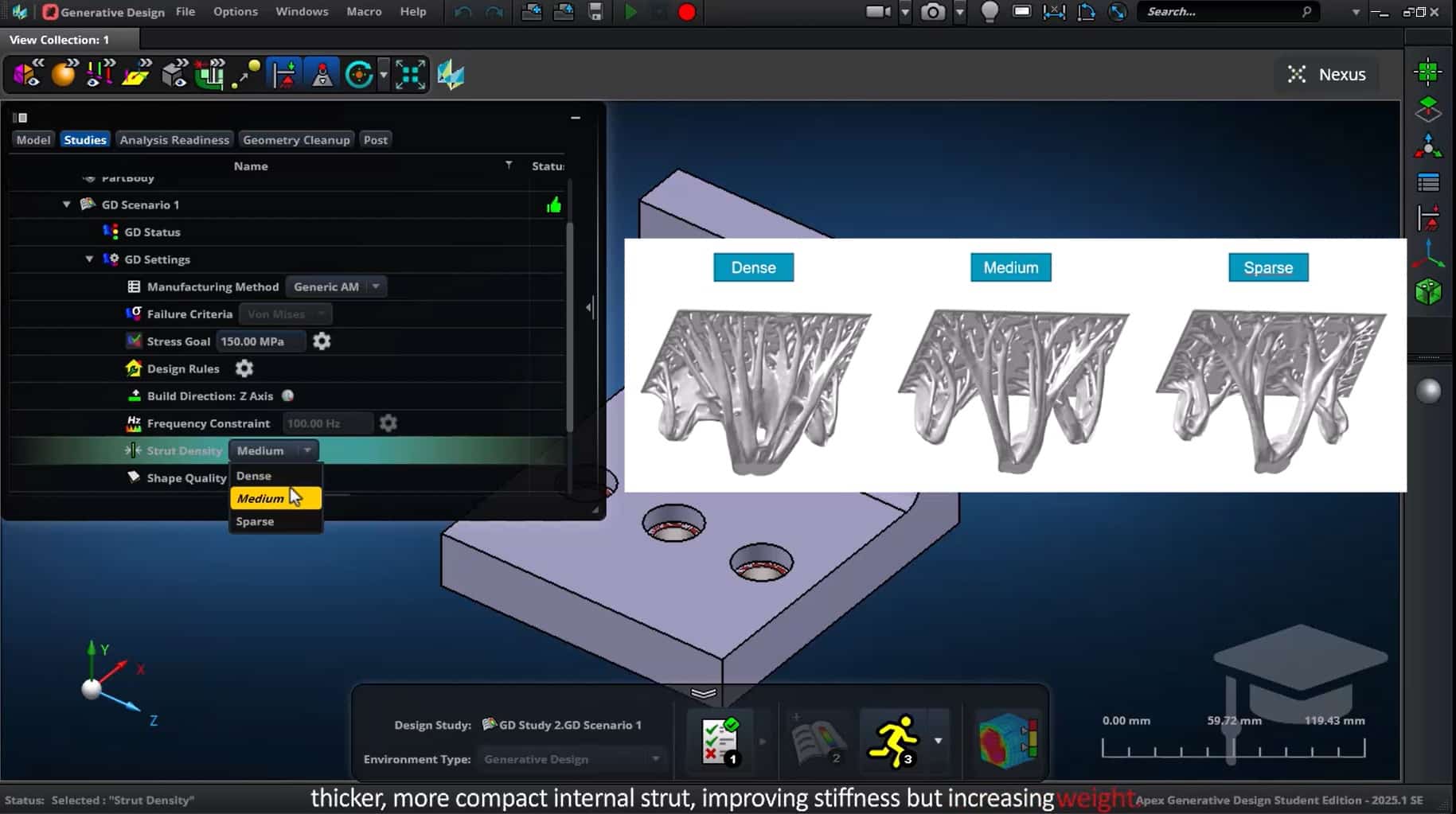
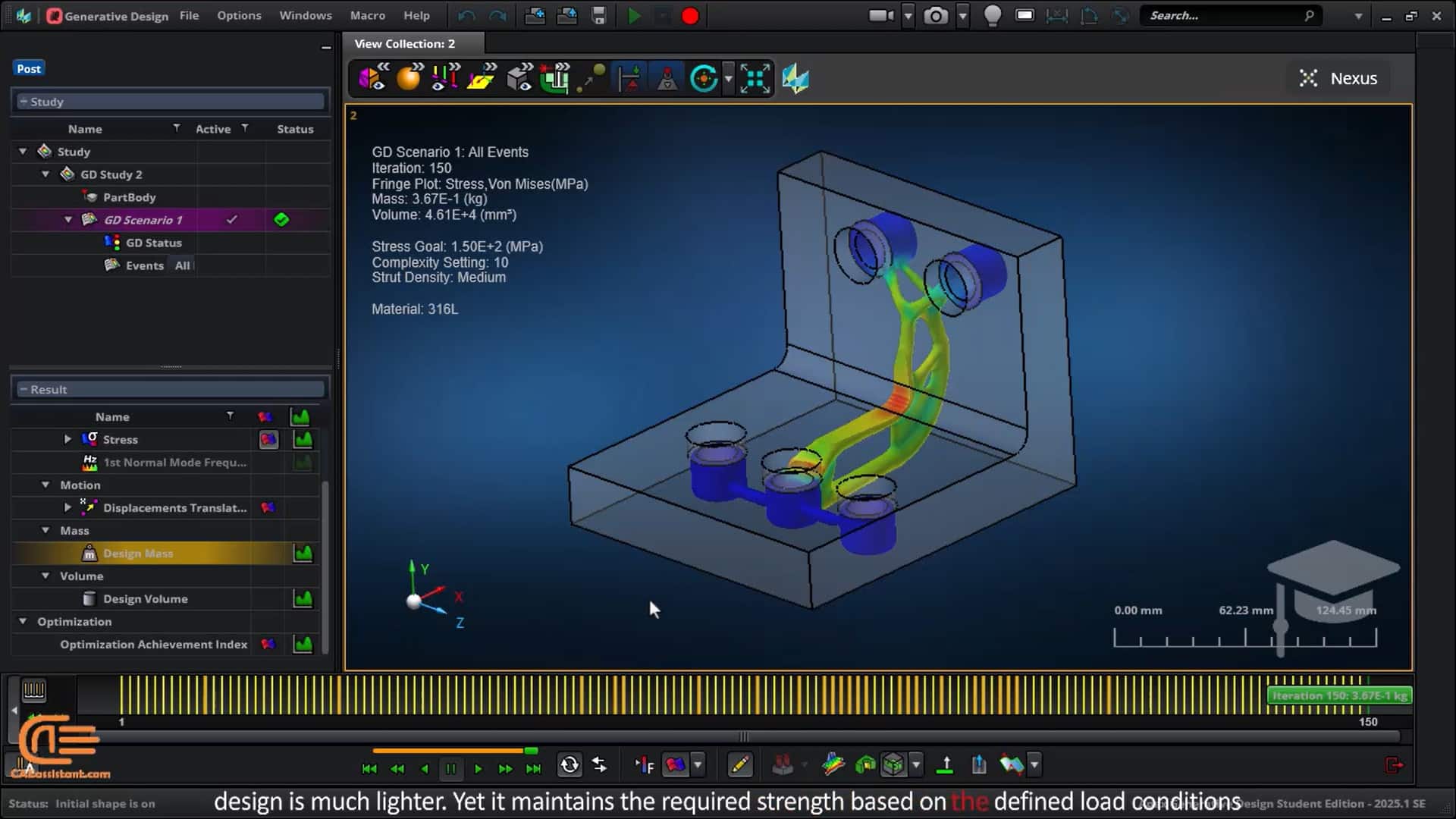
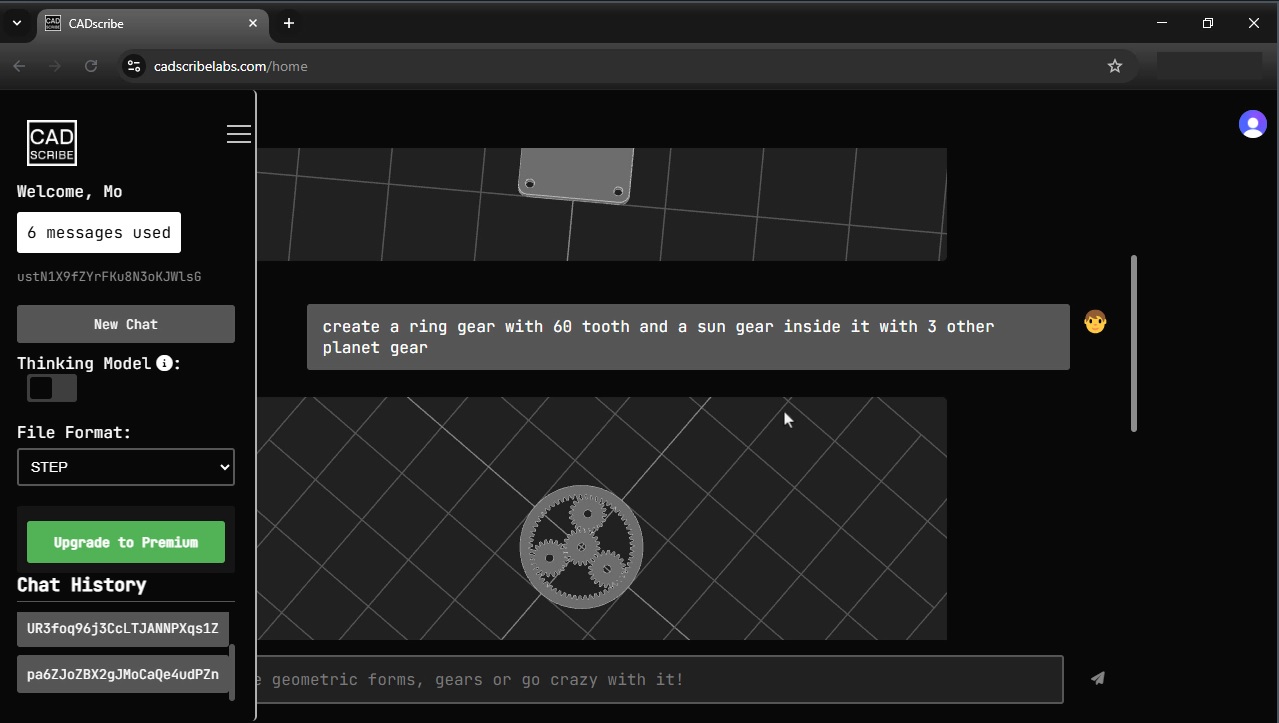
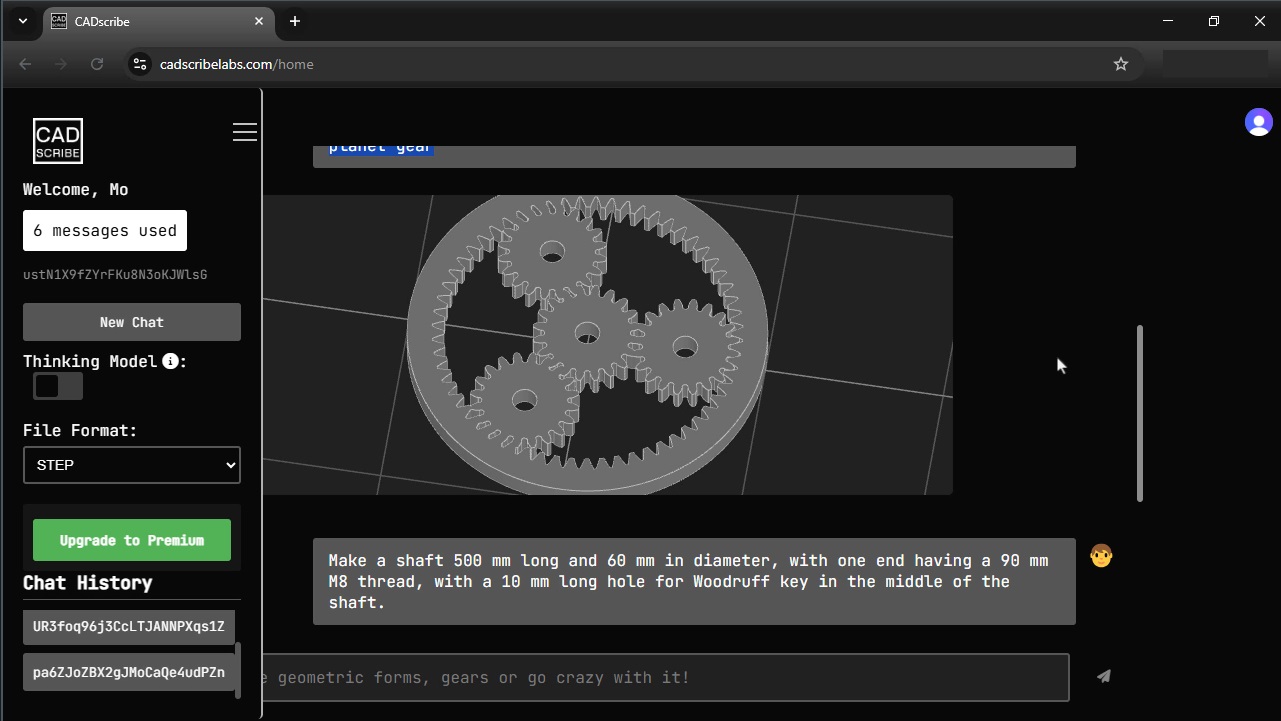
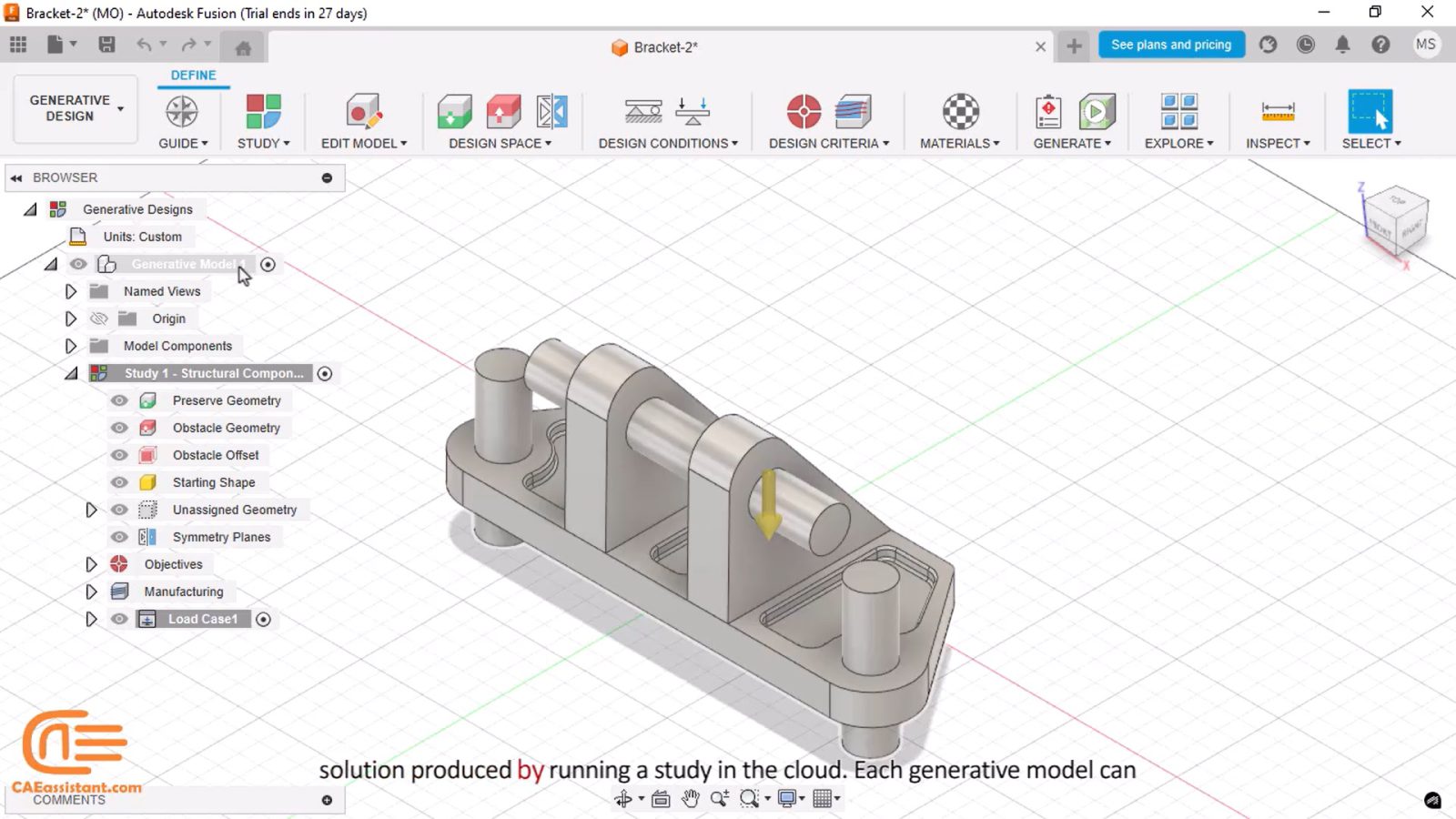
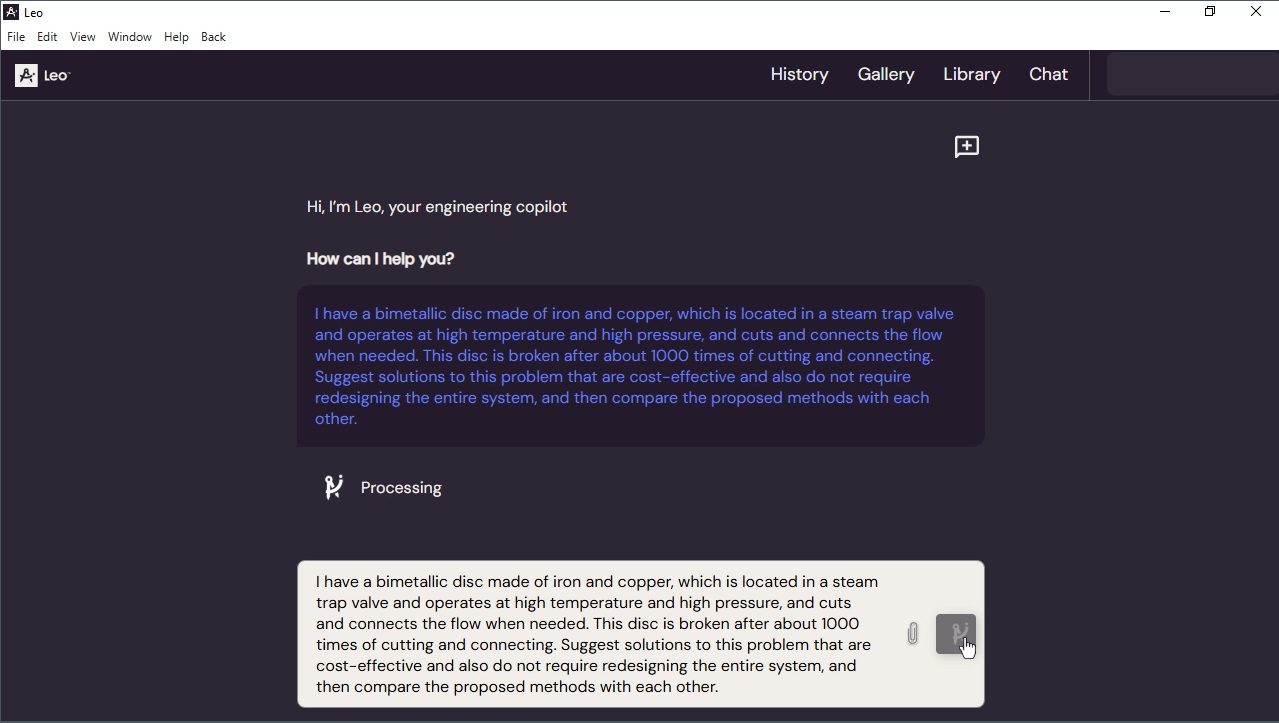
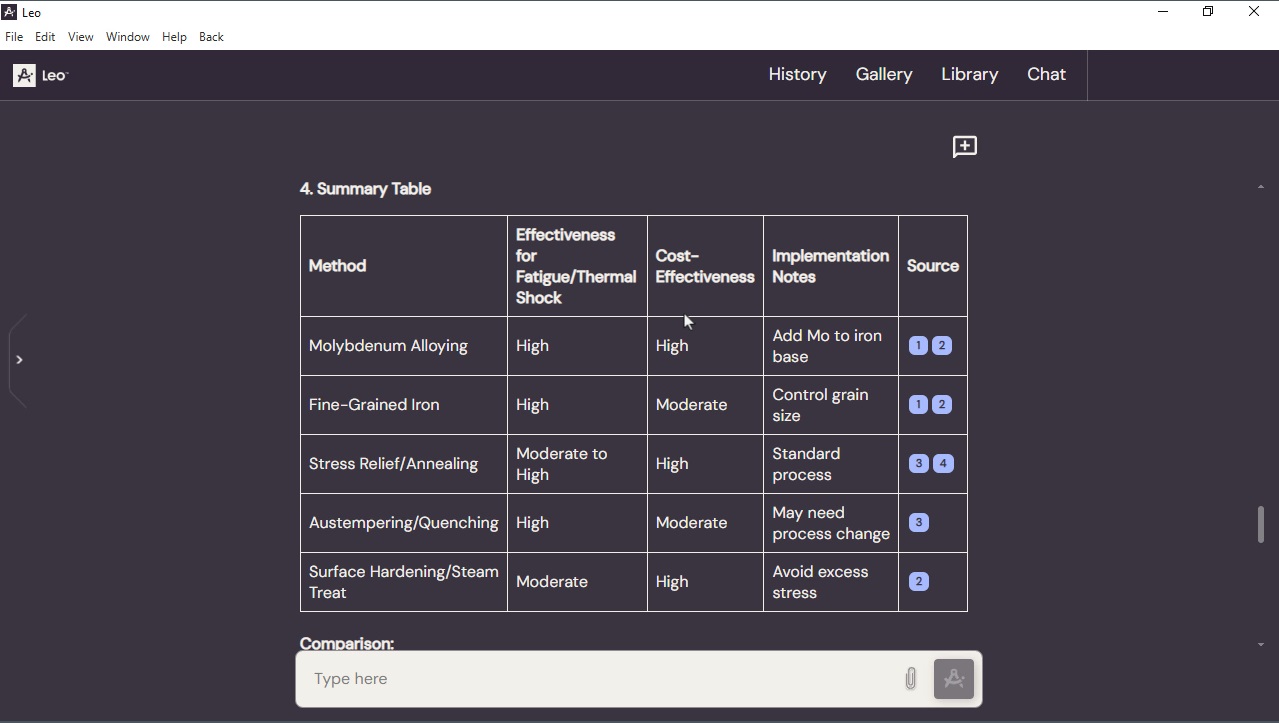
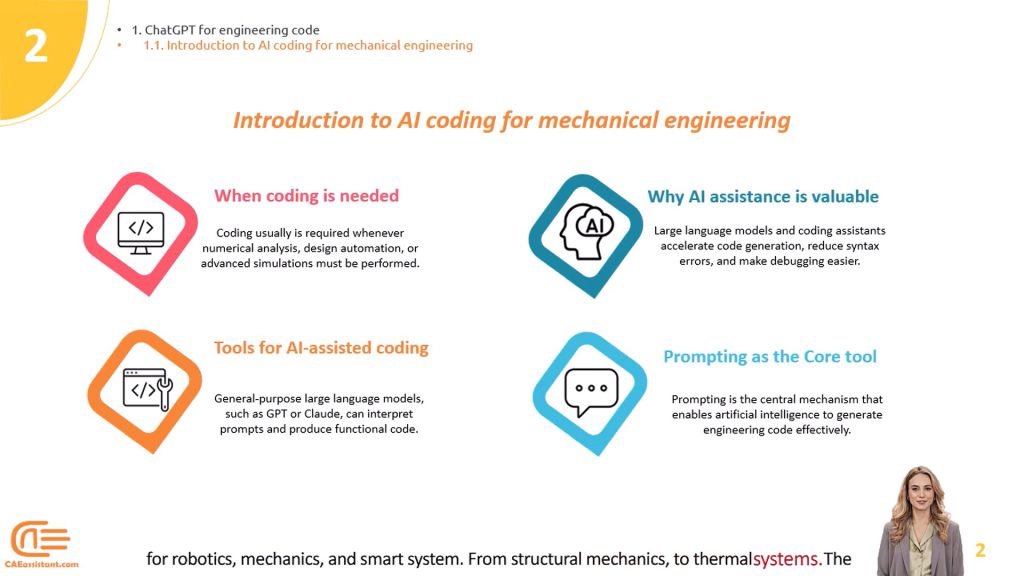
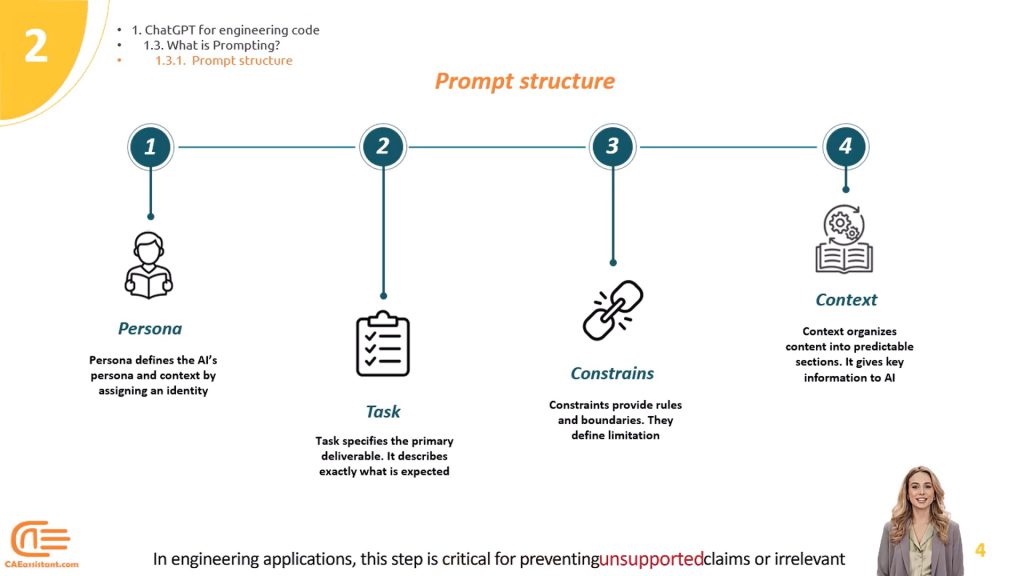
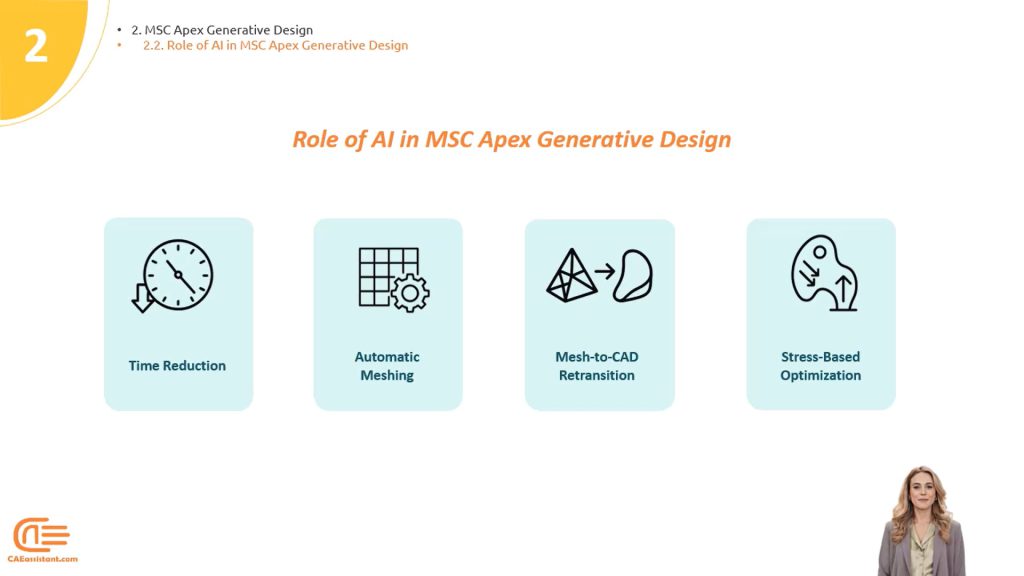
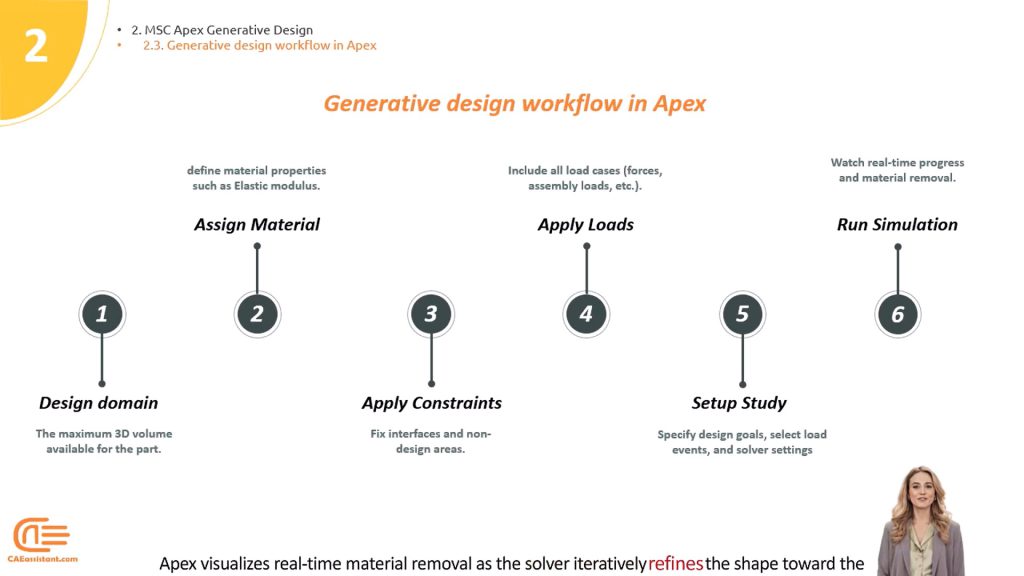
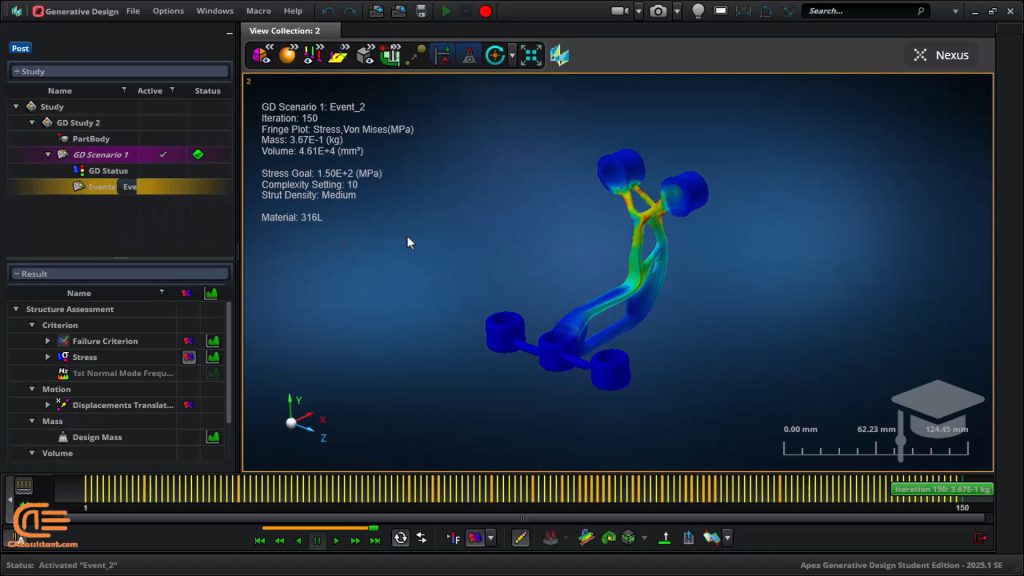
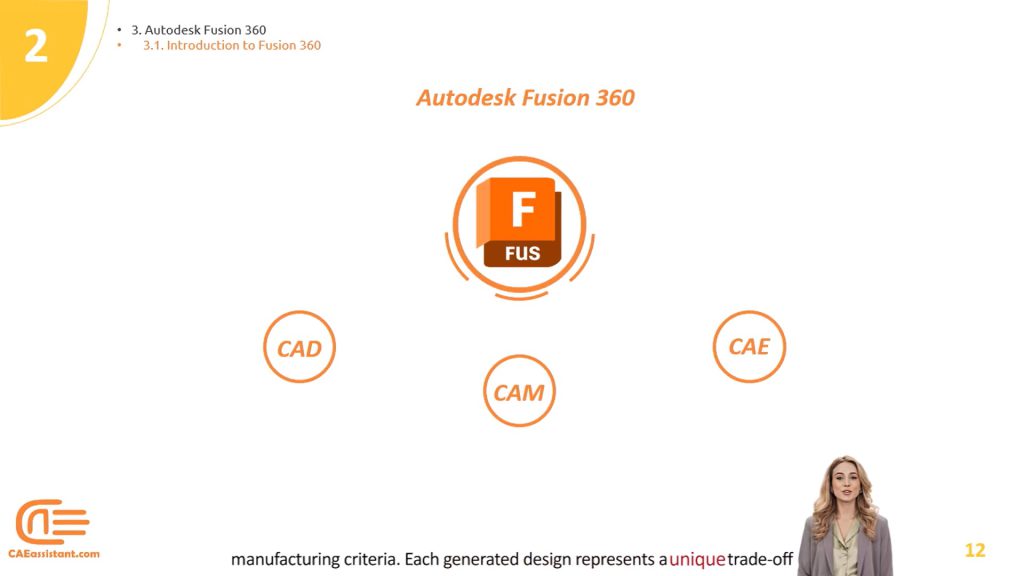
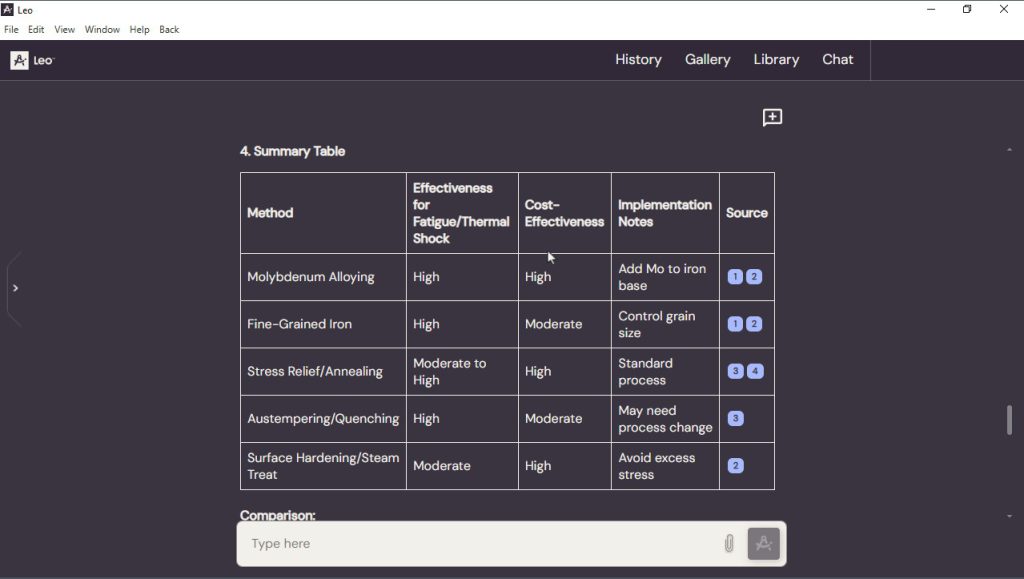
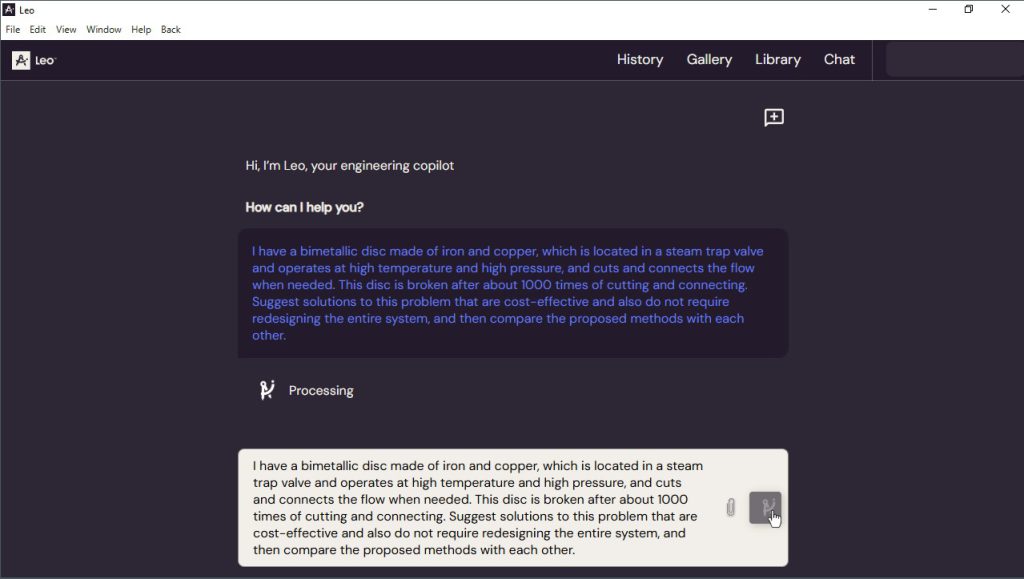
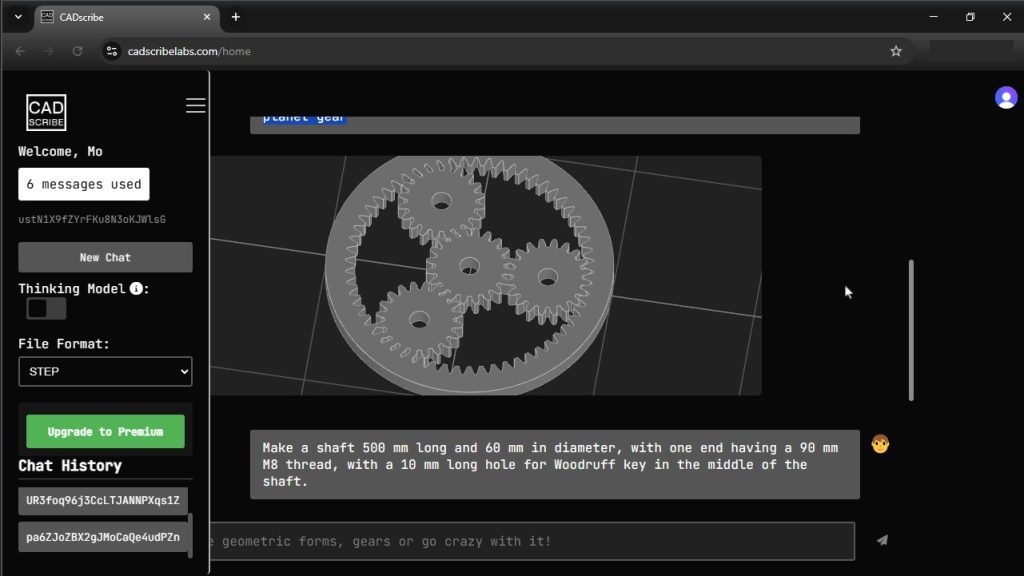
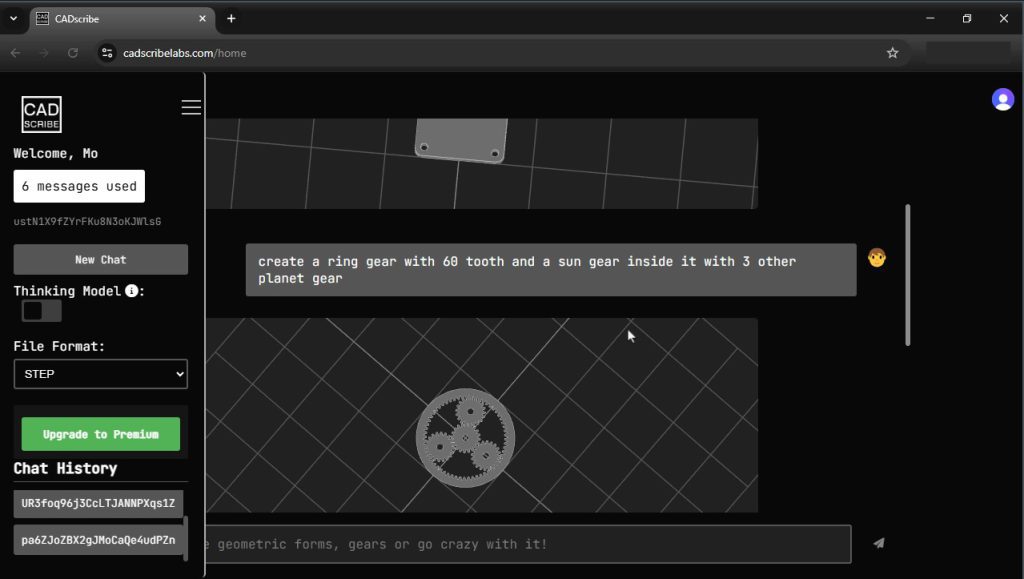
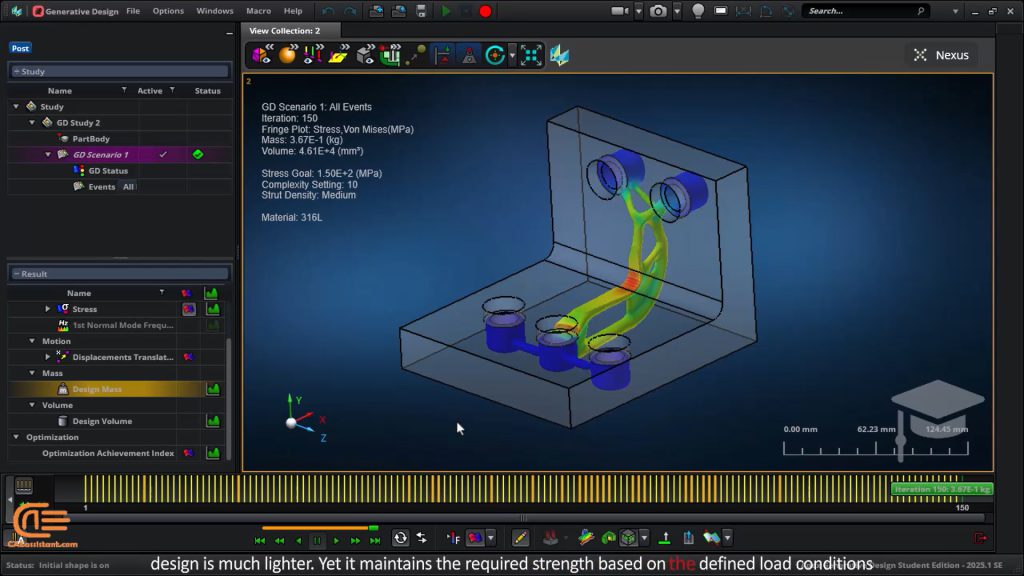
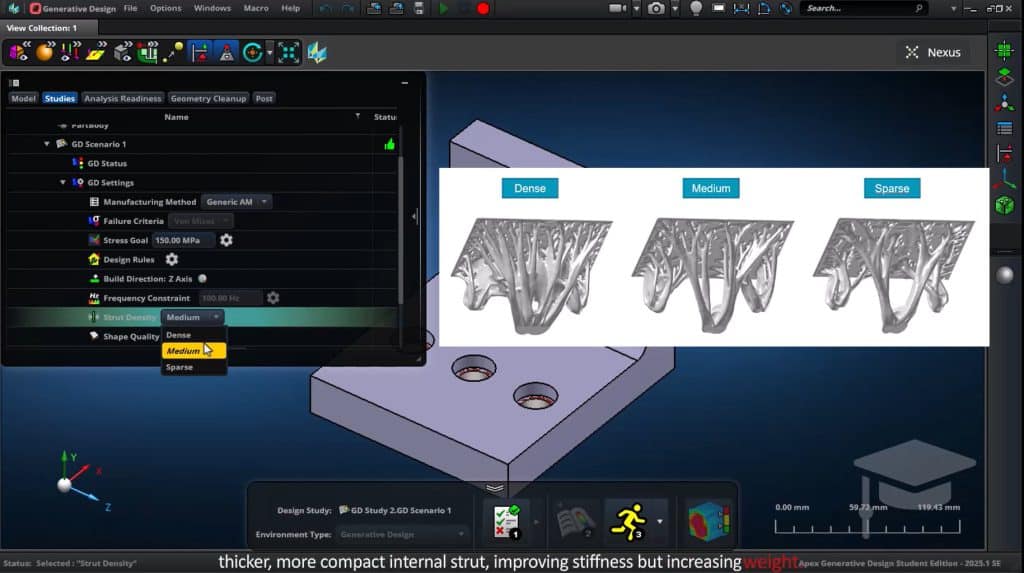
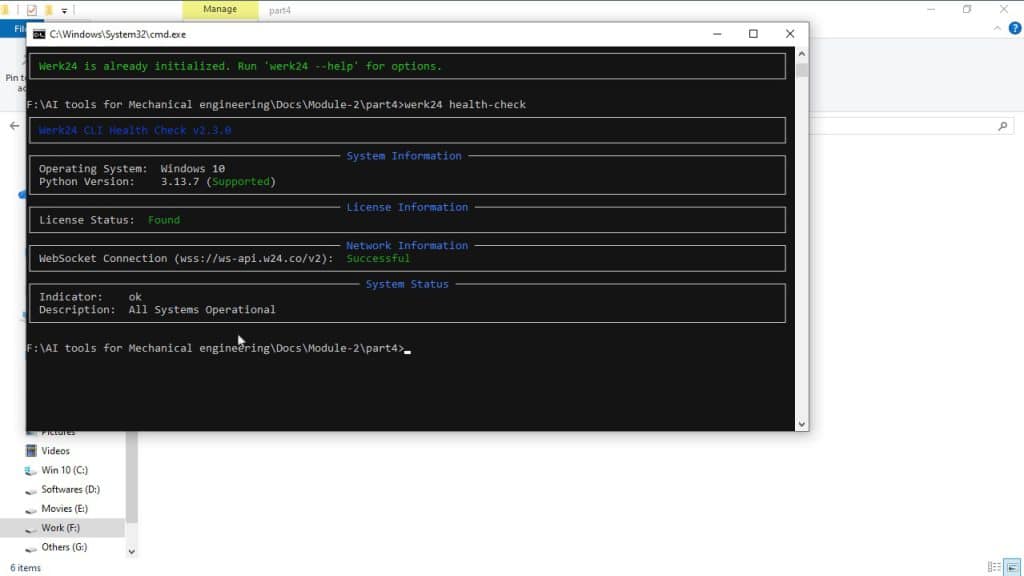
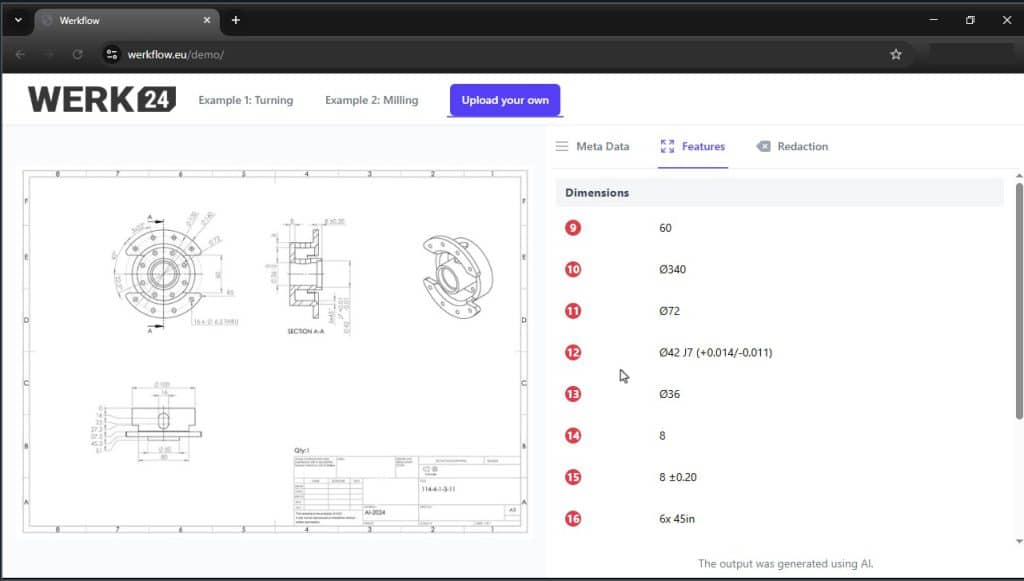
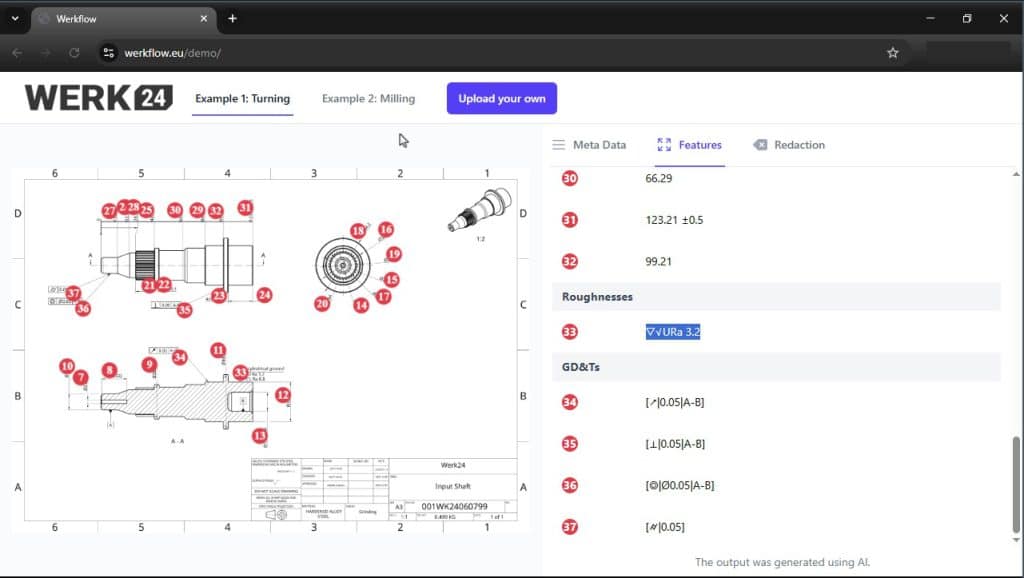
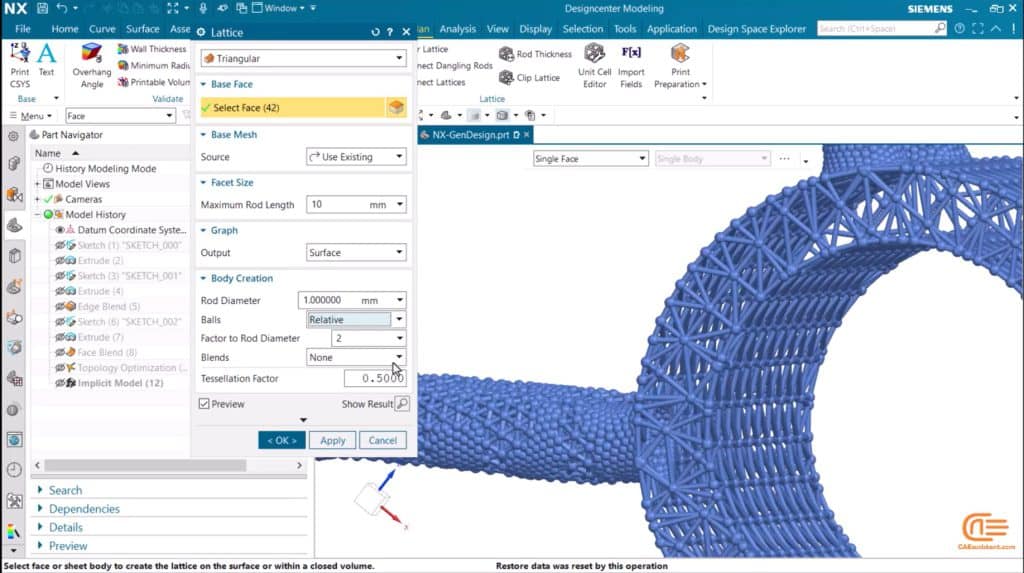
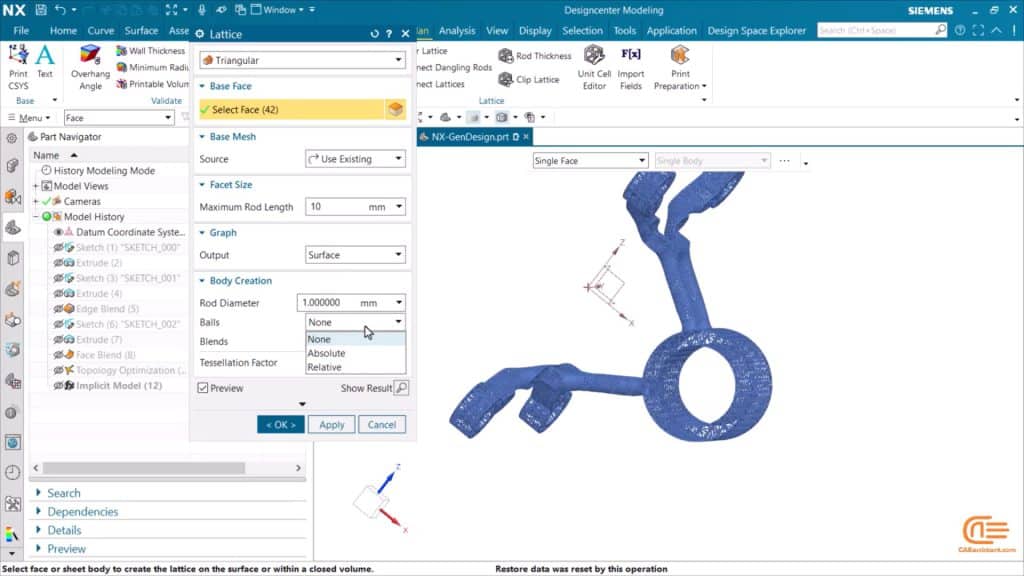
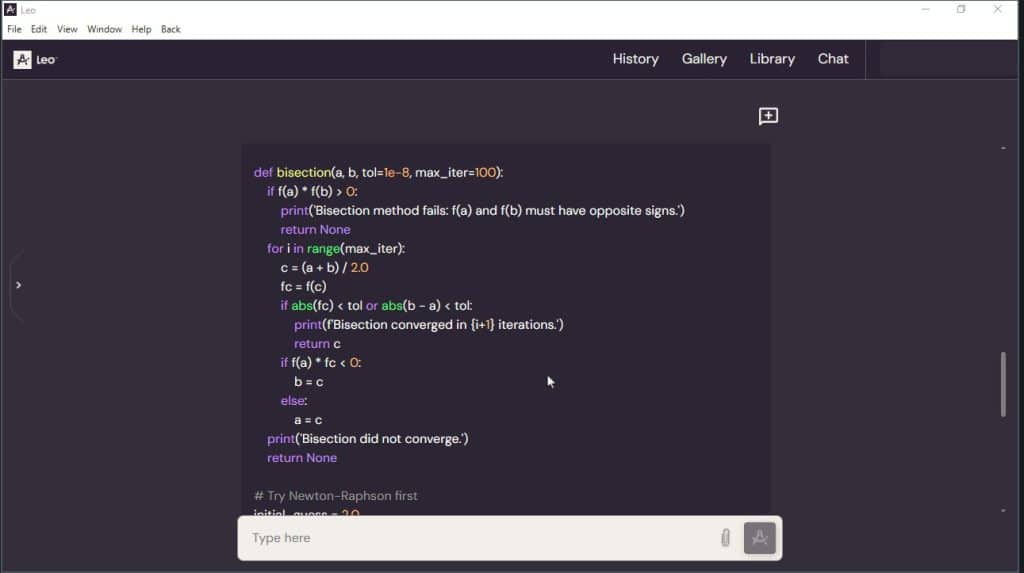
In Module 2, participants will explore and compare a range of AI tools for mechanical engineering. The session includes an overview of general-purpose assistants like ChatGPT and Copilot for code generation, as well as specialized tools for design and simulation such as Altair Design AI, Autodesk Fusion’s generative design, MSC Apex, and Siemens NX. Tools for documentation (CADScribe, Werk24), web-based simulation (SimScale), and concept design (LEO) are also introduced. The module covers the role of Physics-Informed Neural Networks (PINNs) in solving engineering problems, highlighting where and how each tool fits into real engineering workflows.
Module 3: Generative Design with AI
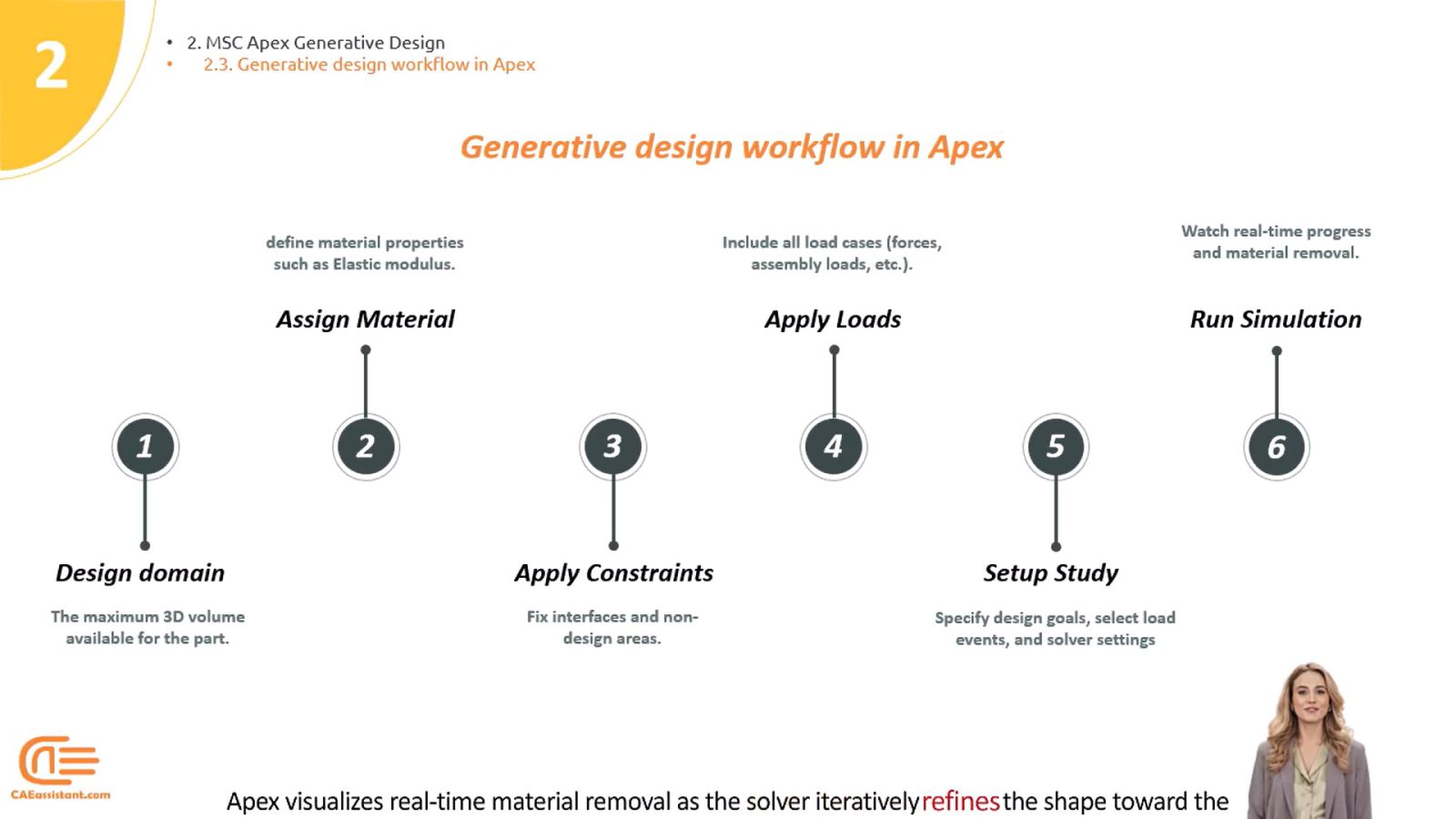
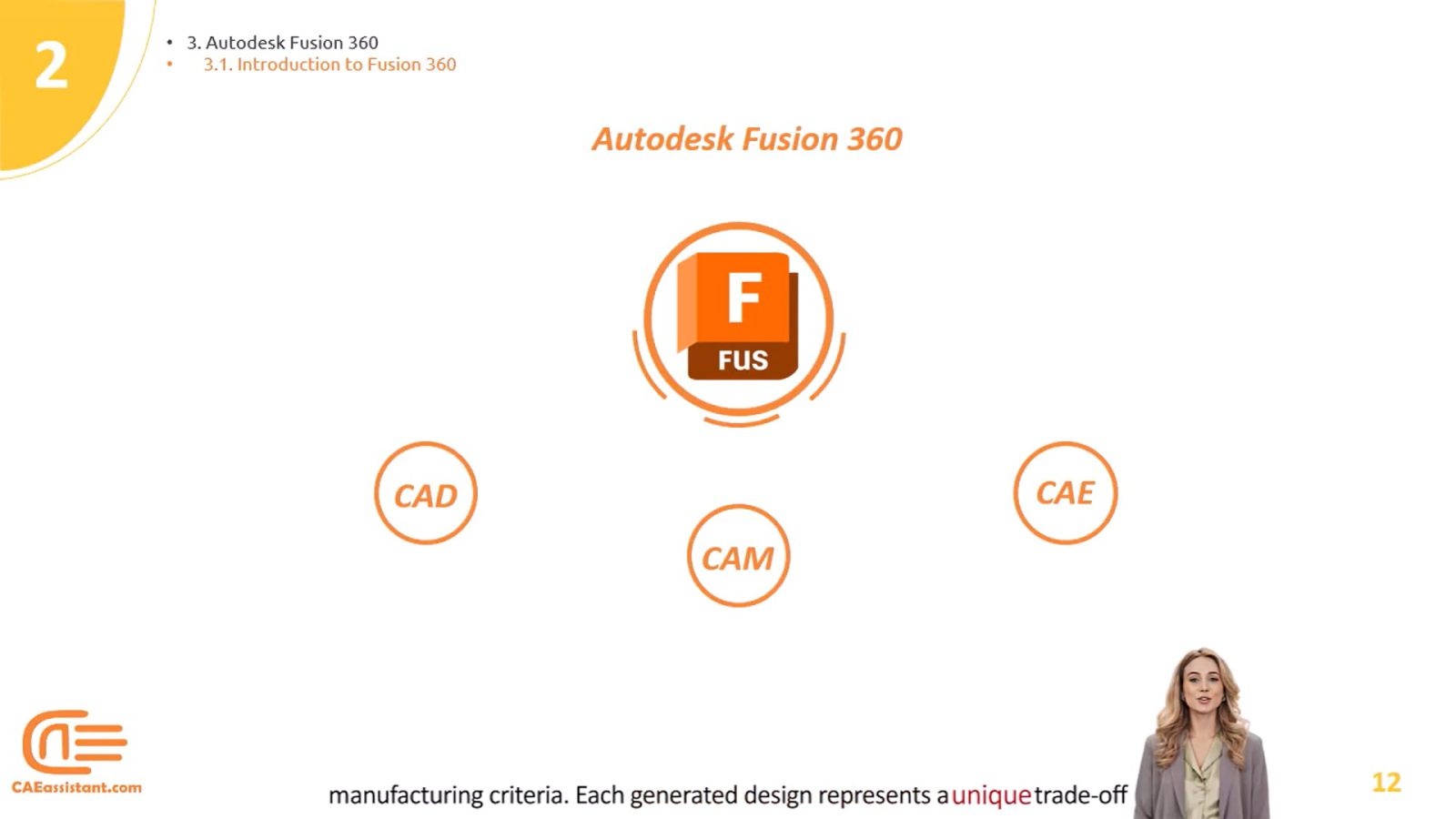
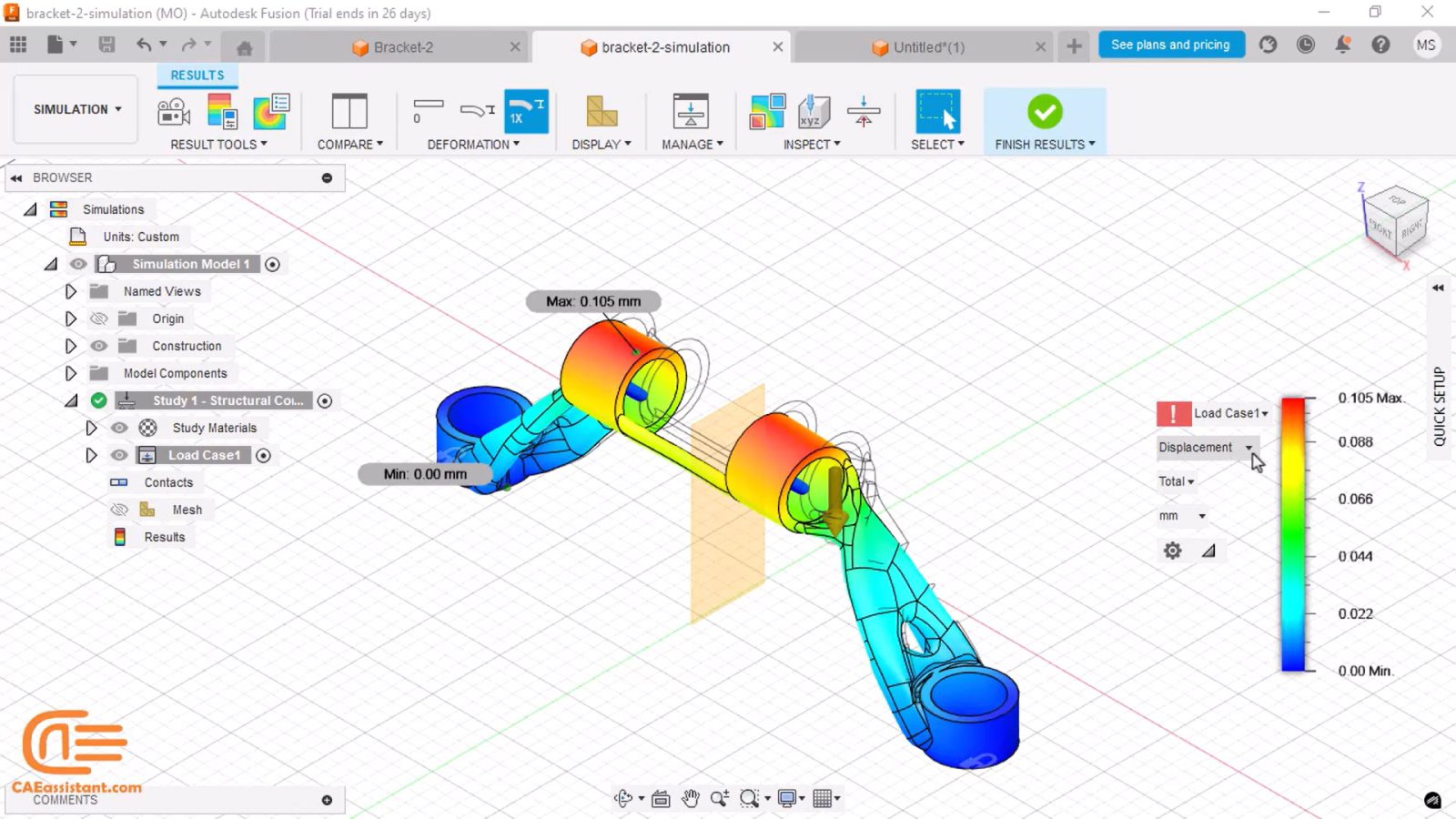
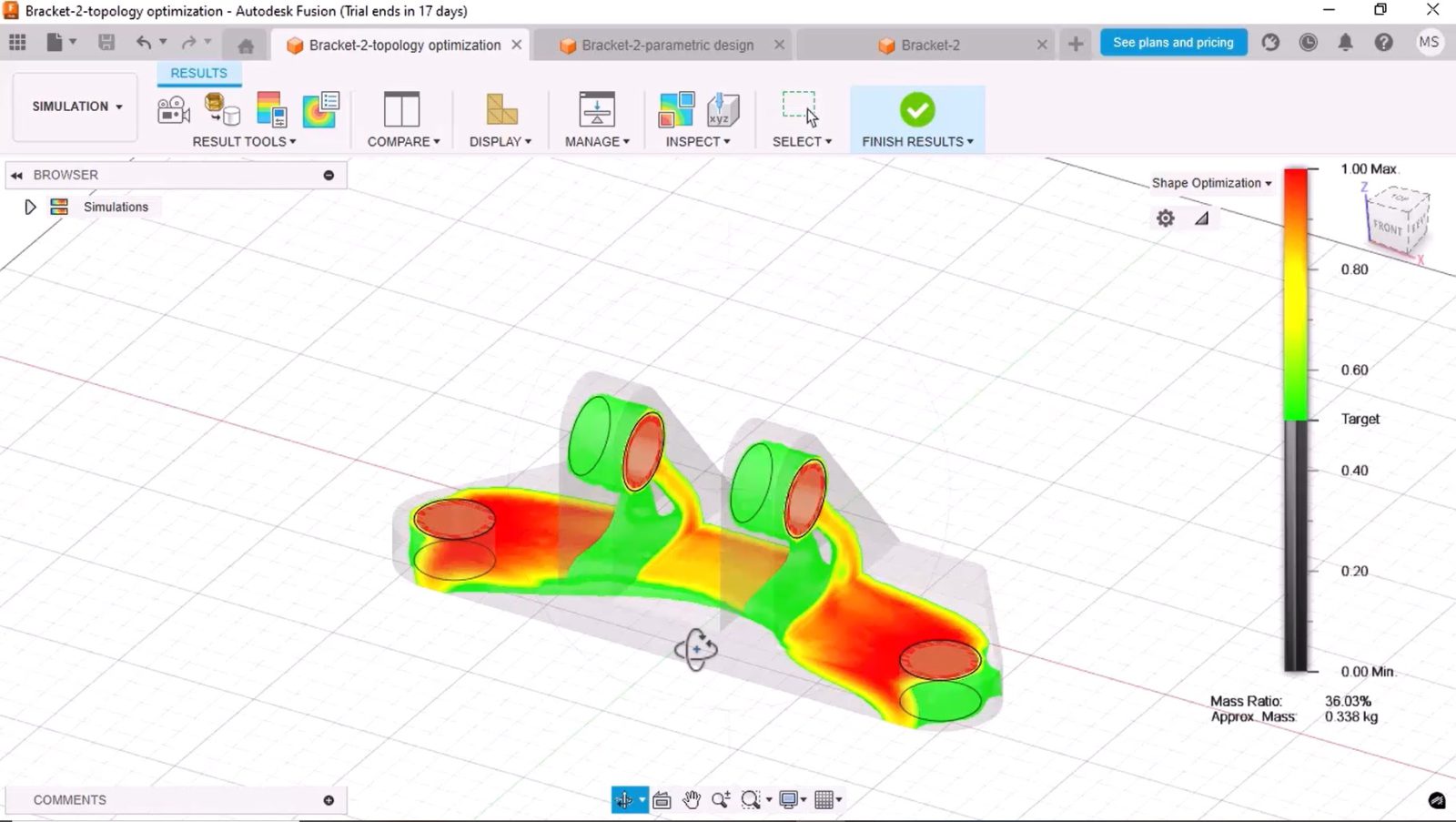
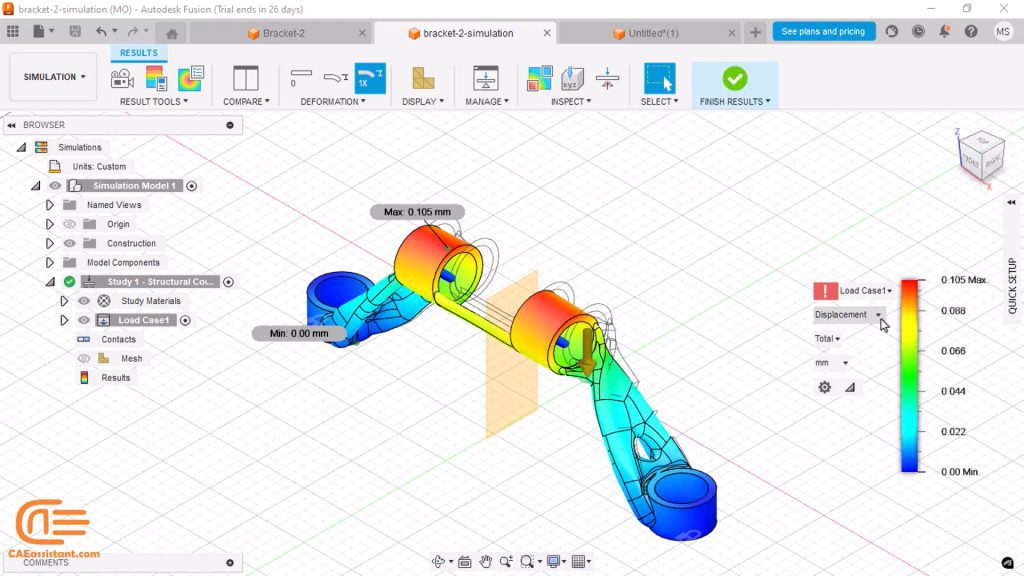
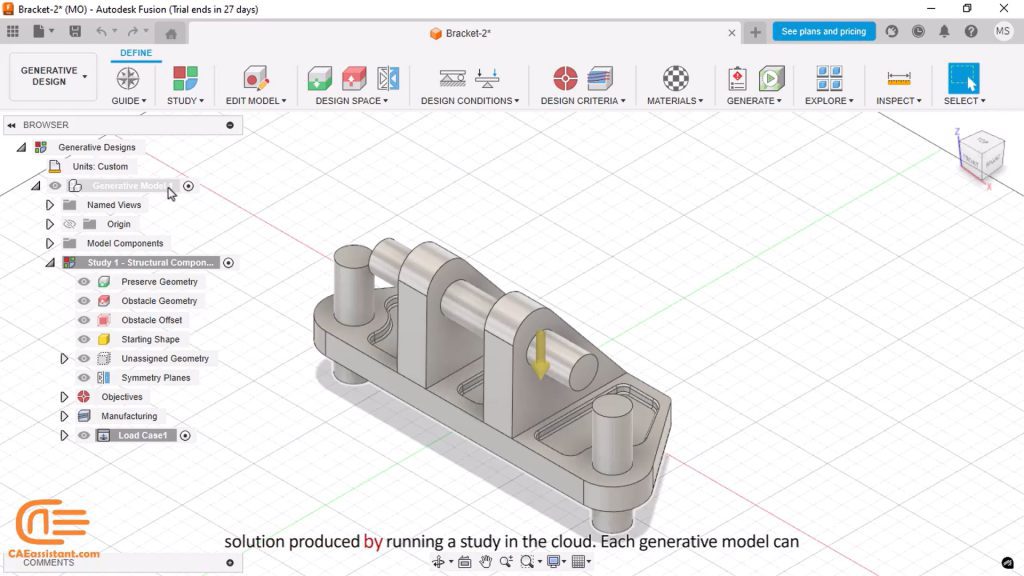
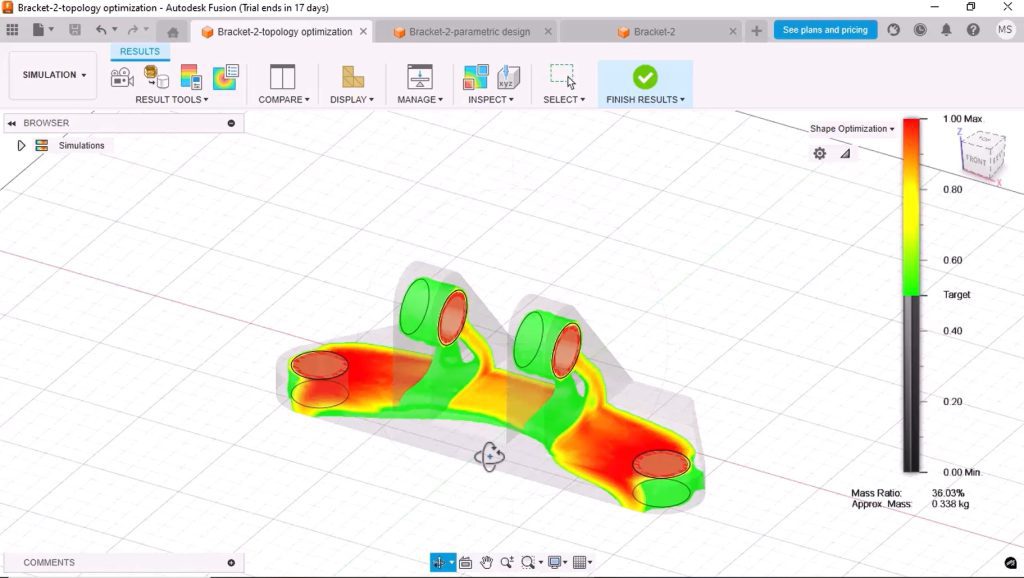
Module 3 focuses on generative design and how AI enhances the process beyond traditional parametric methods. Participants will learn the key differences between rule-based parametric design and AI-driven generative approaches that explore a broader solution space. The module includes a practical demo using Autodesk Fusion to create optimized geometries based on design goals and constraints. A case study on lightweighting mechanical components demonstrates how AI can reduce material usage while maintaining structural performance. This session provides a practical understanding of how generative AI tools for mechanical engineering can support more efficient, data-informed engineering decisions in product design and structural optimization.
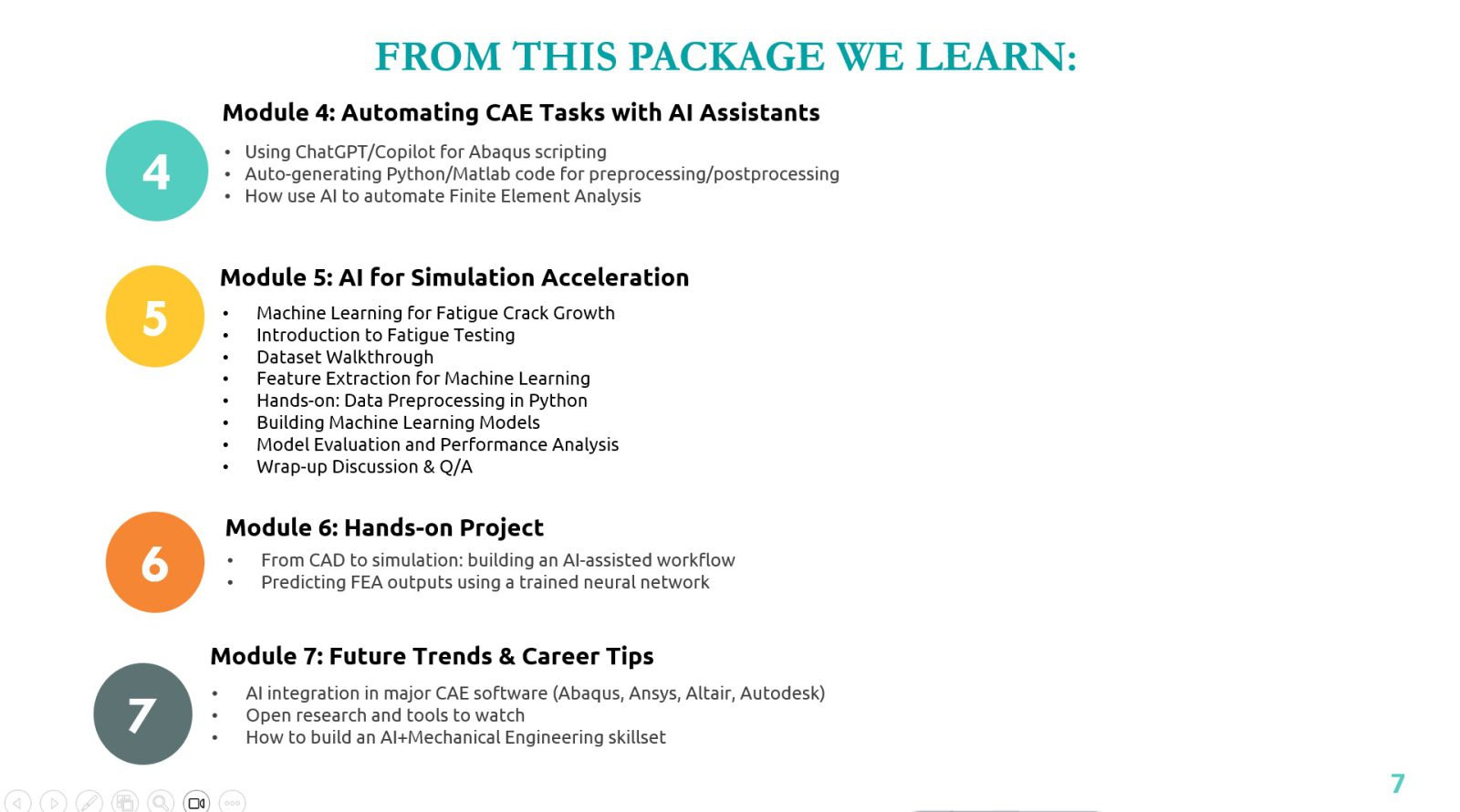
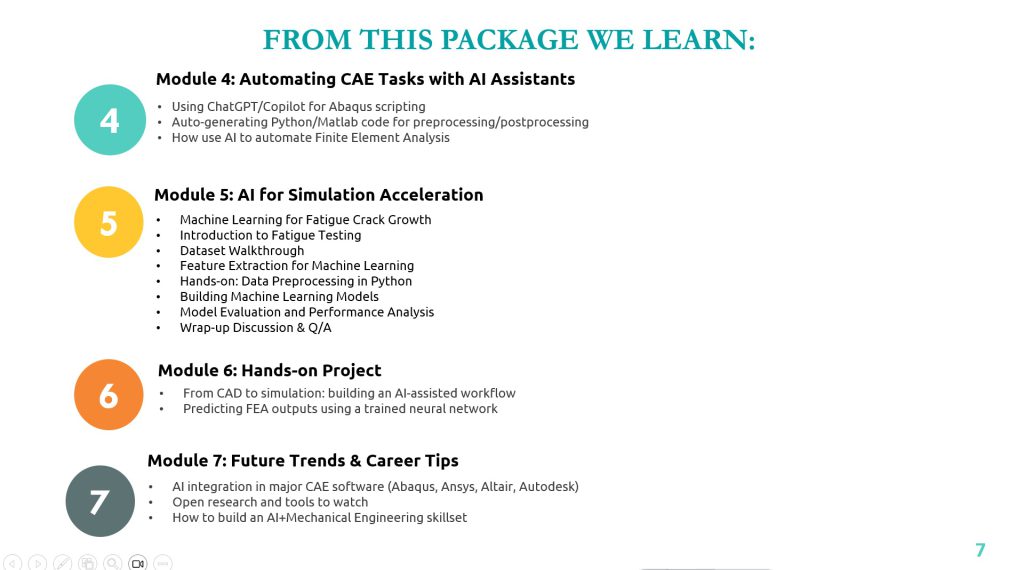
Module 4: Automating CAE Tasks with AI Assistants
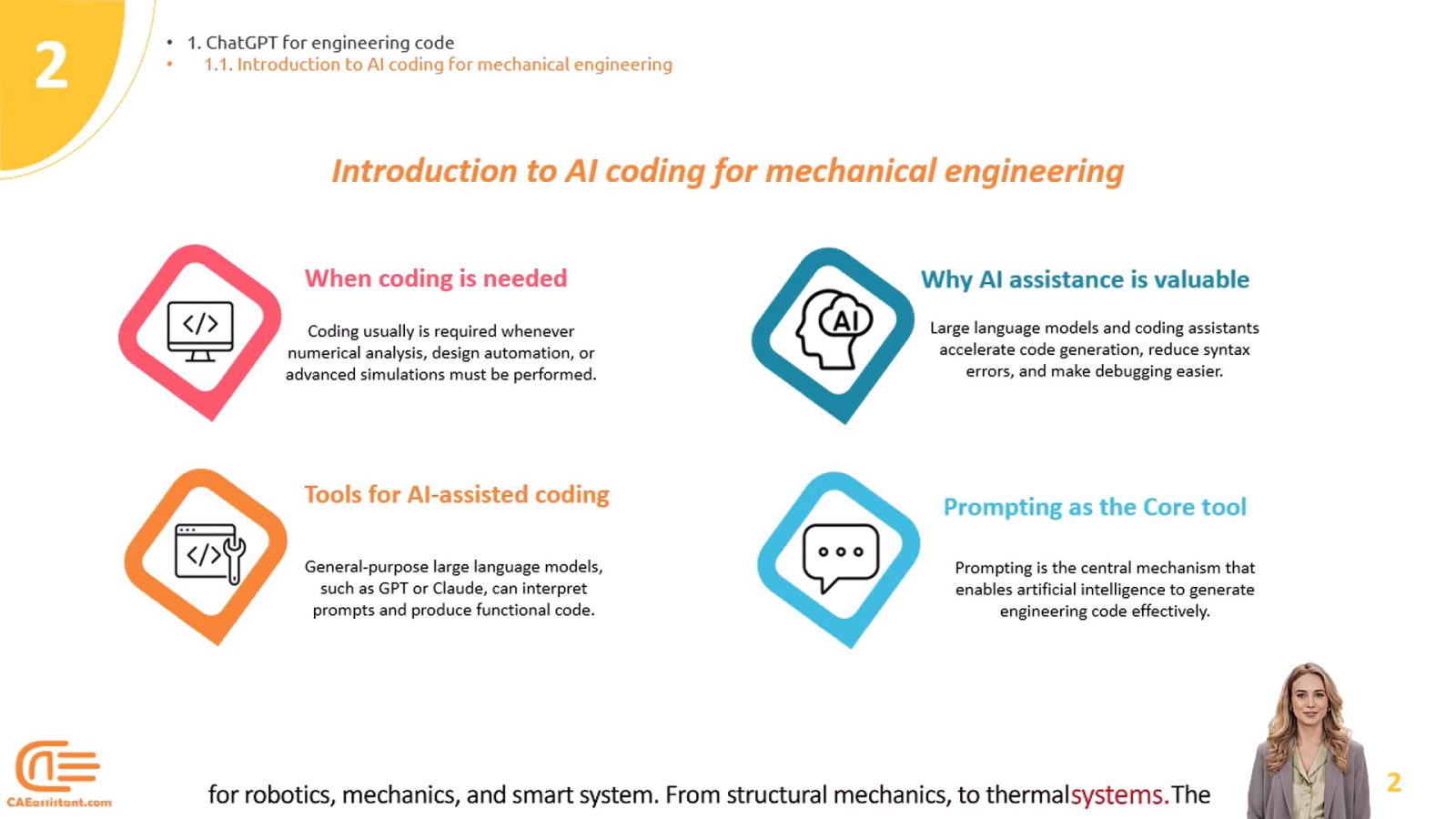
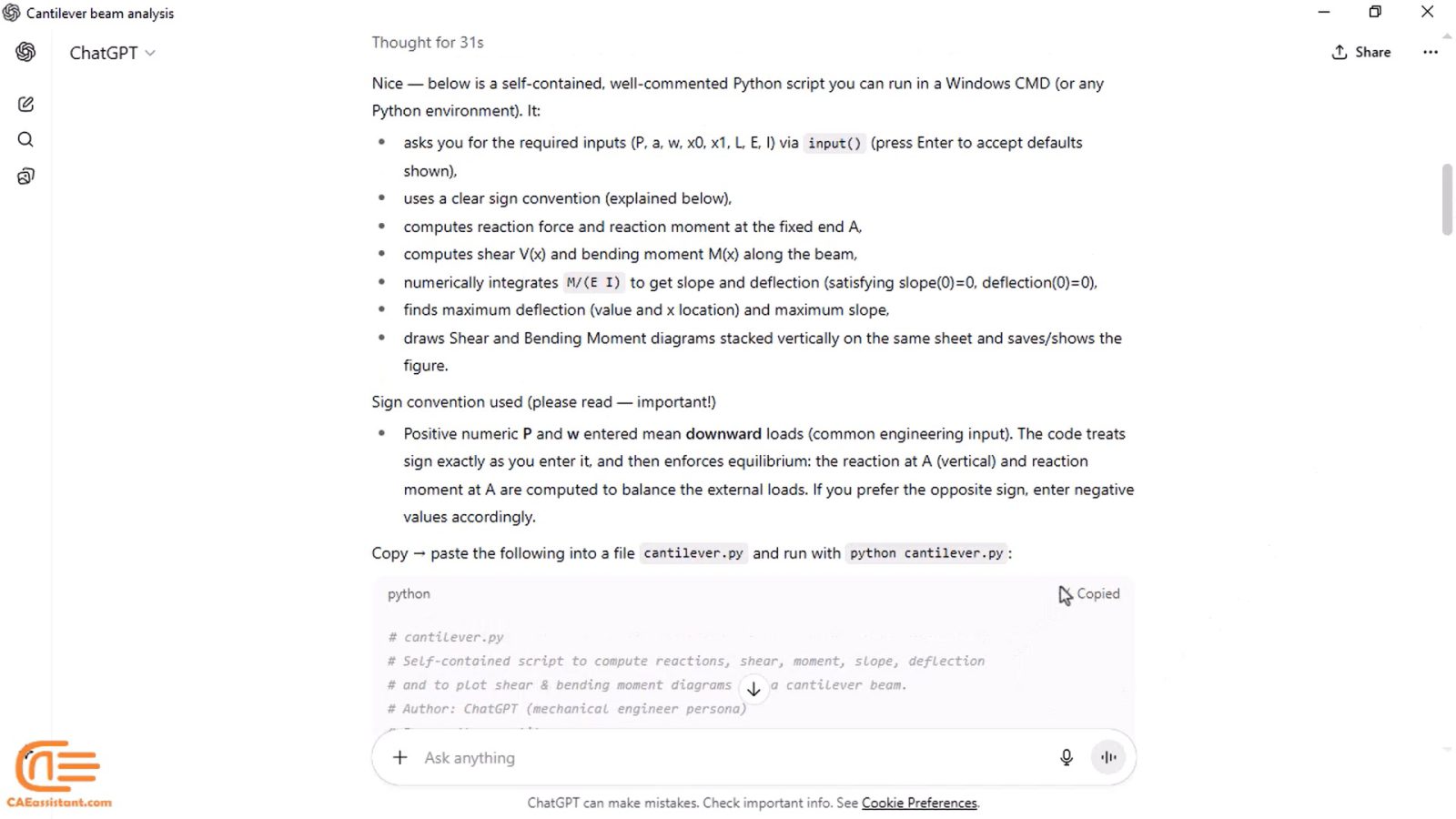
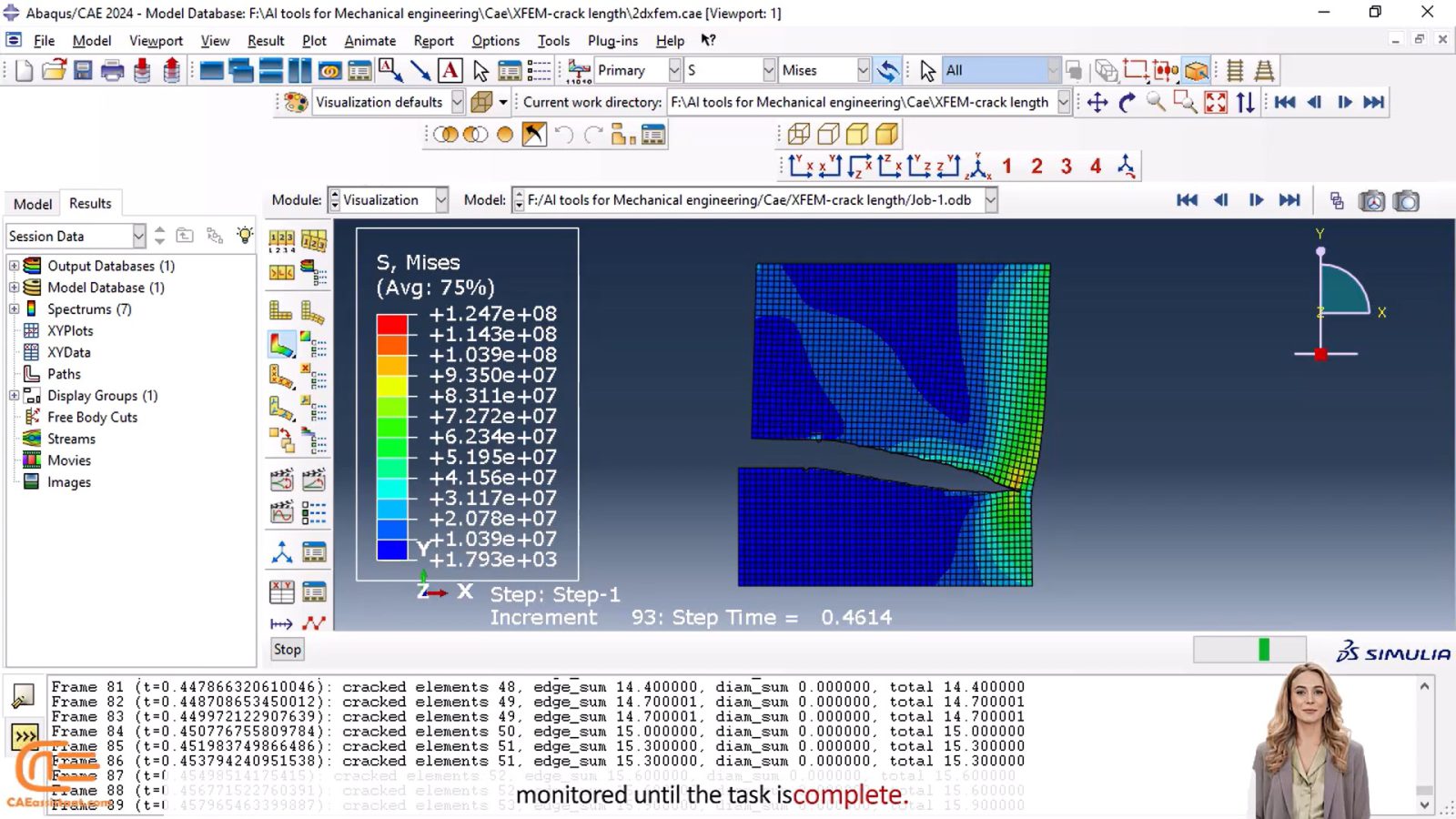
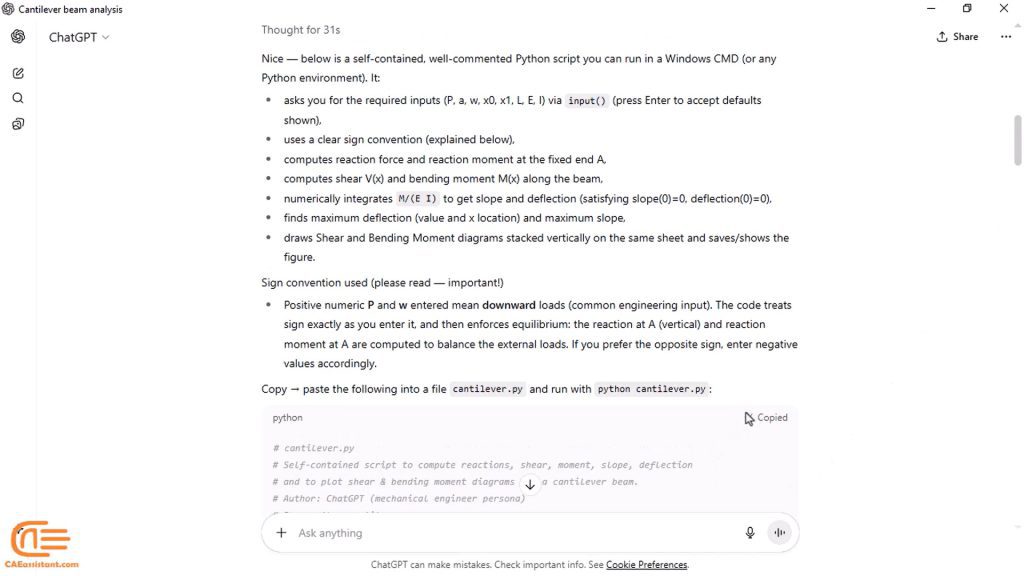
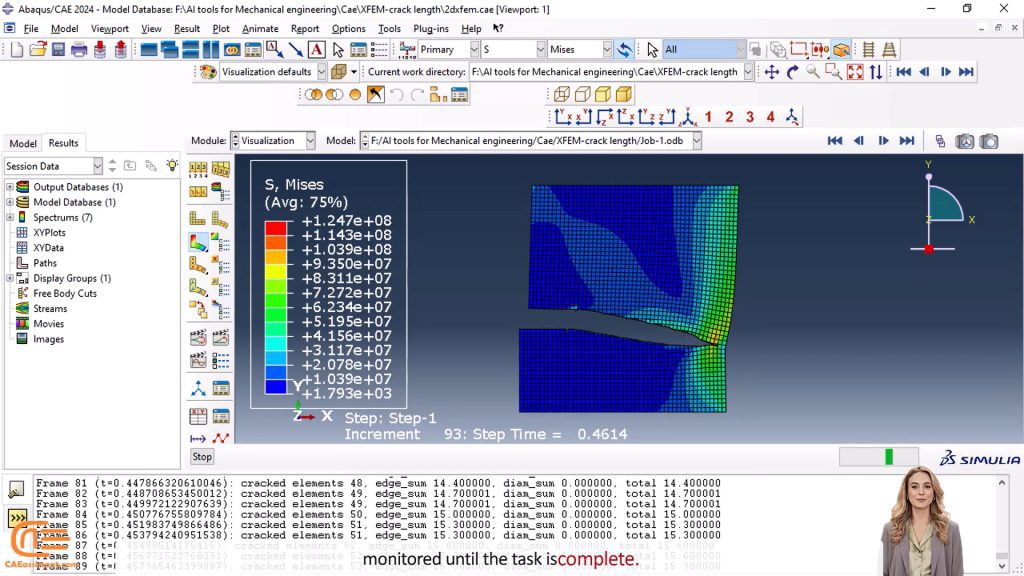
Module 4 introduces how AI assistants like ChatGPT and GitHub Copilot can be used to automate common CAE tasks, particularly in Finite Element Analysis (FEA). Participants will learn how to generate and adapt Python or MATLAB scripts for preprocessing and postprocessing simulation data, with a focus on Abaqus workflows. The module demonstrates how AI can assist in writing code, debugging, and streamlining repetitive tasks. It also explores the broader potential of AI for automating FEA setup and analysis steps, enabling engineers to reduce manual workload and improve efficiency in simulation-based design and verification processes.
Module 5: AI for Simulation Acceleration
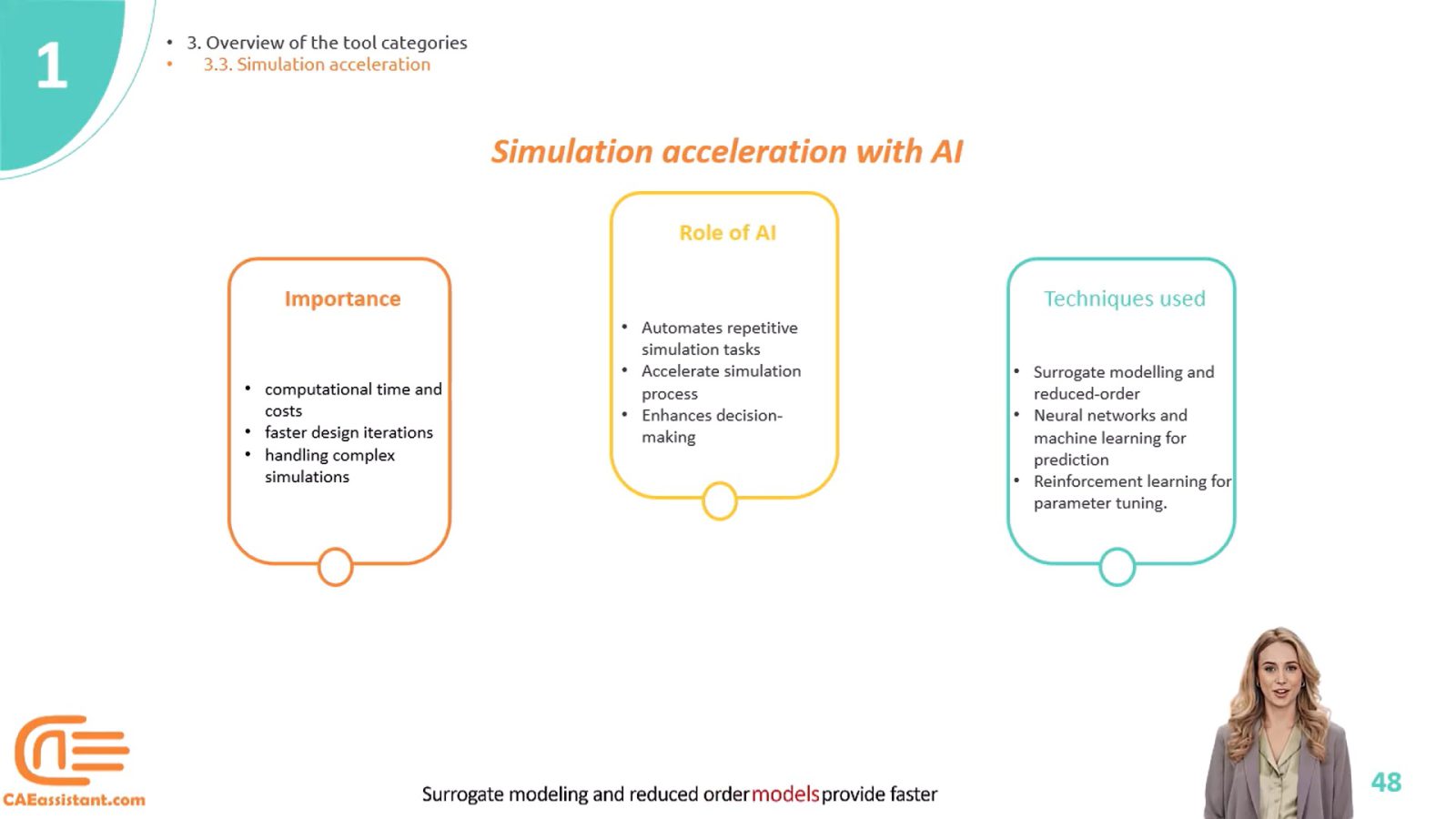
Module 5 covers how AI, particularly machine learning, can be used to accelerate mechanical simulations by learning from previous results or can use experimental results to train a machine learning model to predict results. The session includes a hands-on demo where a machine learning model is trained to approximate fatigue results from experimental test. This approach demonstrates how data-driven models can significantly reduce computation time while maintaining acceptable accuracy, offering practical value in design iterations, optimization studies, and real-time simulation scenarios.
This module introduces participants to the use of machine learning techniques for predicting fatigue crack growth in aluminum lap joints using Lamb wave signal data. Participants will work with the PHM 2019 Aluminum Lap Joint Fatigue Dataset, perform signal-based feature extraction, and build ensemble learning models to estimate crack progression. Through theoretical explanation and hands-on Python implementation, learners will gain practical experience in applying data-driven methods for structural health monitoring (SHM) and predictive maintenance of metallic structures.




 English
  Korean
  Chinese
Reviews
There are no reviews yet.