
John Garcia
John Garcia is a highly skilled professional with expertise in writing various types of subroutines in Abaqus. He has made significant contributions to the field of computational mechanics and has a deep understanding of finite element analysis. With his exceptional programming abilities and extensive knowledge of Abaqus, John has emerged as a leading expert in the industry.
Early Life and Education:
Born and raised in a small town in the United States, John developed an early interest in mathematics and computer programming. He excelled in his academic pursuits and earned a Bachelor’s degree in Mechanical Engineering from the prestigious Massachusetts Institute of Technology (MIT). During his undergraduate years, John was drawn to the field of computational mechanics, which fueled his passion for developing innovative solutions using advanced numerical methods.
Career and Professional Accomplishments:
After completing his education, John joined a renowned engineering consultancy firm, where he quickly established himself as a valuable asset. His expertise in programming and finite element analysis caught the attention of industry leaders, and he was soon working on challenging projects in the aerospace, automotive, and civil engineering sectors.
John’s career reached new heights when he started specializing in writing subroutines for Abaqus, the industry-leading finite element analysis software. His ability to develop customized subroutines for complex simulations became his trademark. His subroutines enabled engineers to perform advanced analyses, such as material modeling, contact mechanics, and dynamic simulations, with improved accuracy and efficiency.
To further enhance his knowledge and stay at the forefront of the field, John pursued a Master’s degree in Computational Mechanics from Stanford University. His research focused on the development of advanced constitutive models and their implementation in Abaqus subroutines. His work received accolades and was published in reputable journals, solidifying his reputation as an expert in the field.
Expertise and Contributions:
John’s expertise lies in writing different types of subroutines in Abaqus, including user-defined material models, element types, and boundary conditions. He possesses an in-depth understanding of the Abaqus scripting interface, Fortran, and Python programming languages, enabling him to create robust and efficient subroutines tailored to specific engineering problems.
Throughout his career, John has collaborated with numerous clients and engineering teams, providing them with his expertise and support. His ability to grasp complex engineering challenges, translate them into mathematical models, and implement them within the Abaqus framework has been instrumental in solving critical problems and optimizing designs.
John is also a passionate educator and has conducted workshops and training sessions on Abaqus programming. His ability to explain complex concepts in a clear and concise manner has made him a sought-after instructor in the field. He believes in sharing his knowledge and empowering others to leverage the full potential of Abaqus for their engineering projects.
Personal Life:
Outside of his professional endeavors, John enjoys spending time with his family and exploring the great outdoors. He is an avid hiker and finds solace in nature, which helps him maintain a balanced perspective and fuels his creativity. John is also passionate about giving back to the community and actively volunteers in organizations that promote STEM education for underprivileged youth.
Conclusion:
John Garcia ‘s expertise in writing different types of subroutines in Abaqus, combined with his educational background and professional accomplishments, has made him a highly respected figure in the field of computational mechanics. His ability to develop custom solutions, his dedication to knowledge sharing, and his commitment to empowering others have solidified his position as a leading expert. Through his contributions, John continues to push the boundaries of what is possible in the realm of finite element analysis, making a profound impact on engineering practices and enabling innovative solutions to complex engineering problems.
Showing 1–16 of 17 resultsSorted by latest
-

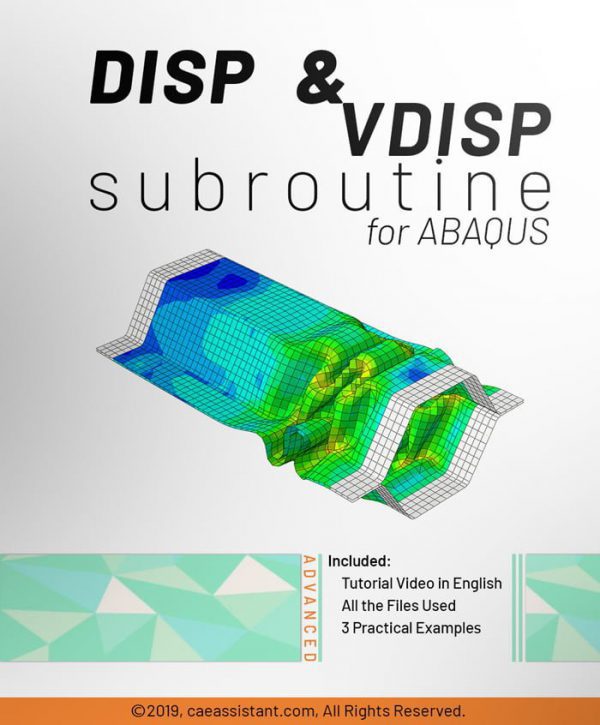
DISP and VDISP Subroutines in ABAQUS
€ 120.0 Add to cart -
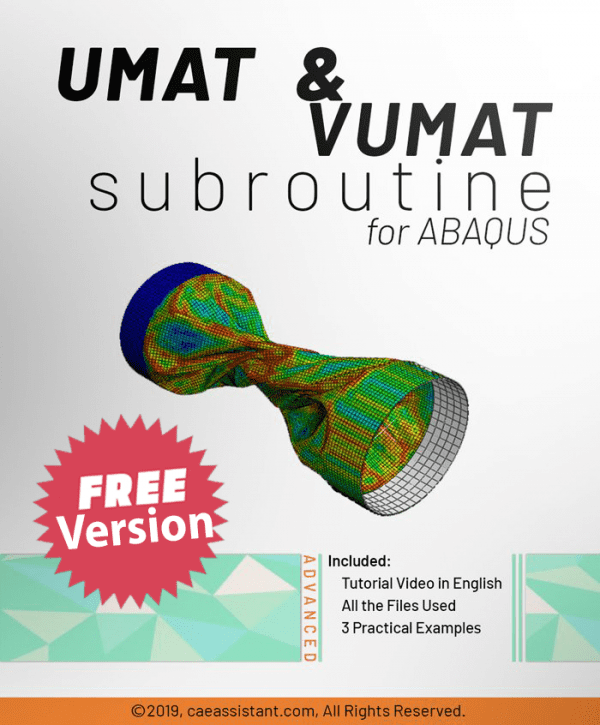
UMAT Subroutine (VUMAT Subroutine) in ABAQUS-Free Version- UMAT Abaqus example
€ 0.0 Add to cart -
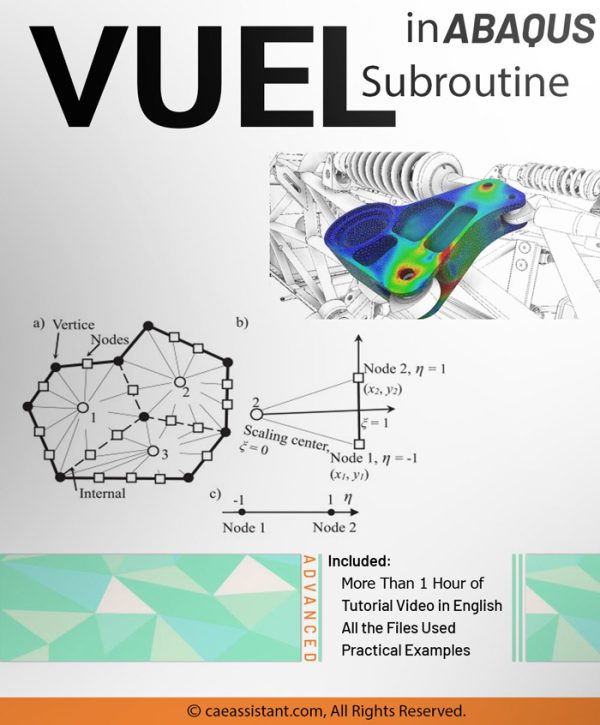
Introduction to VUEL Subroutine in ABAQUS
€ 210.0 Add to cart -
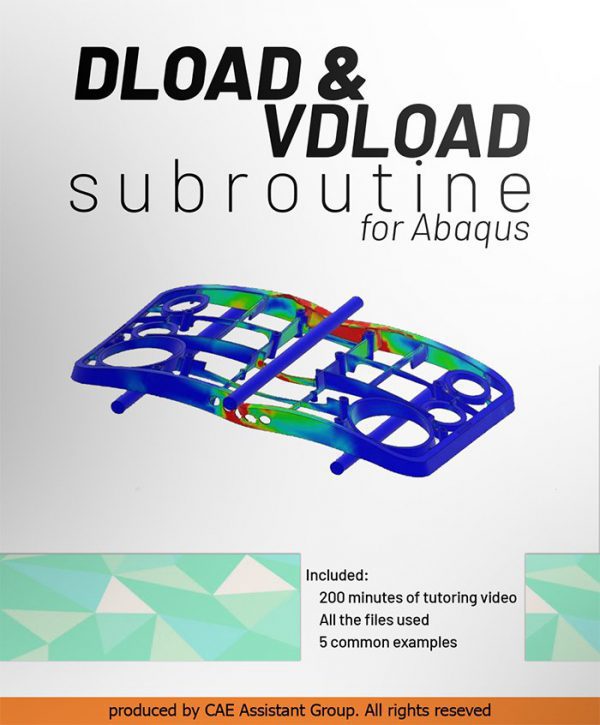
Abaqus DLOAD Subroutine and VDLOAD Subroutine
€ 120.0 Add to cart -
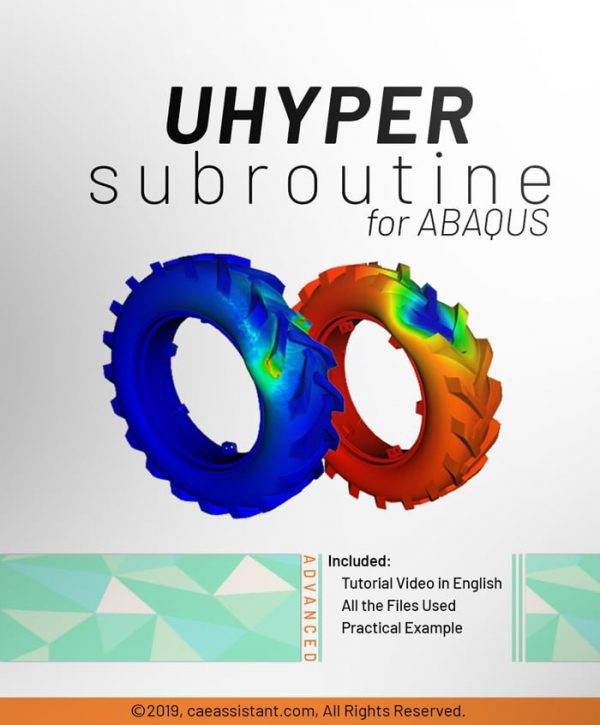
UHYPER Subroutine in ABAQUS
€ 70.0 Add to cart -
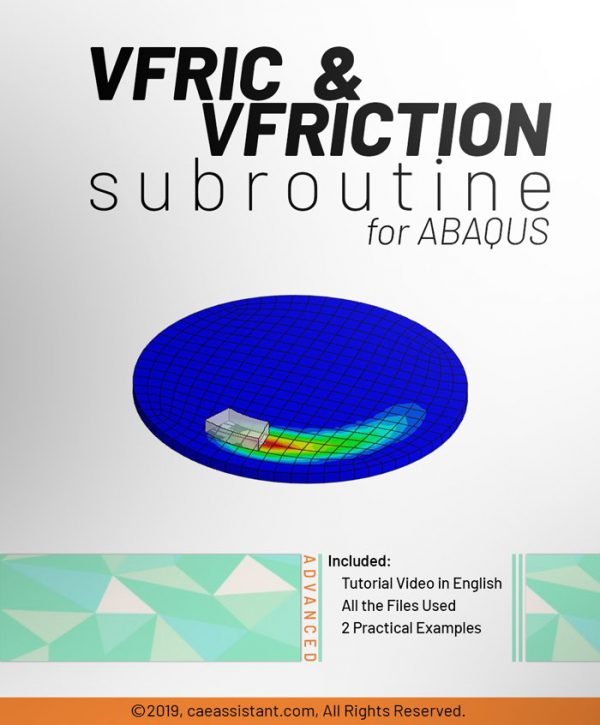
Introduction to VFRICTION and VFRIC Subroutines in ABAQUS
€ 130.0 Add to cart -
Advanced UMAT Subroutine (VUMAT Subroutine) – Abaqus UMAT tutorial
€ 240.0 Add to cart -
Introduction to UEL Subroutine in ABAQUS
€ 210.0 Add to cart -
UMESHMOTION subroutine in ABAQUS
€ 240.0 Add to cart -
UAMP subroutine (VUAMP subroutine) in ABAQUS
€ 250.0 Add to cart -
HETVAL subroutine in ABAQUS
€ 210.0 Add to cart -
UHARD Subroutine (VUHARD Subroutine) in ABAQUS
€ 140.0 Add to cart -
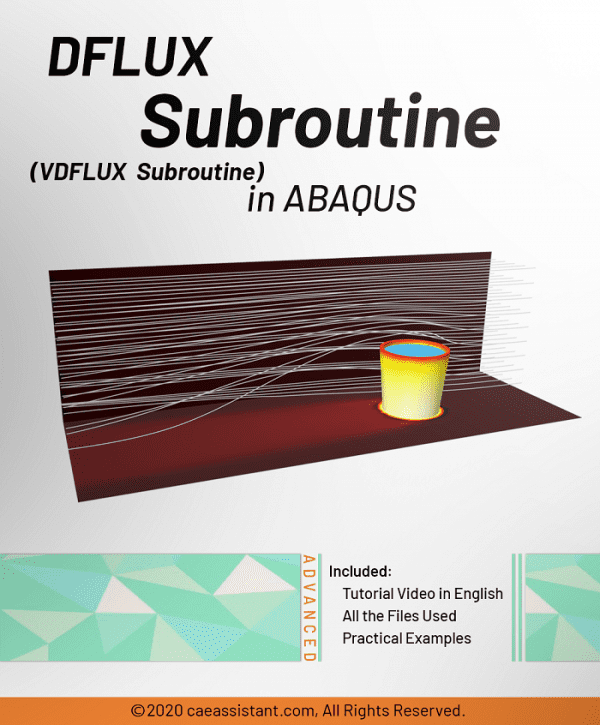
DFLUX Subroutine (VDFLUX Subroutine) in ABAQUS
€ 180.0 Add to cart -
UVARM subroutine in ABAQUS
€ 75.0 Add to cart -

UEXPAN and VUEXPAN Subroutine
€ 120.0 Add to cart -
UGEN Subroutine in ABAQUS
€ 100.0 Add to cart




 English
  Korean
  Chinese