




基于兰姆波信号的金属疲劳裂纹预测机器学习
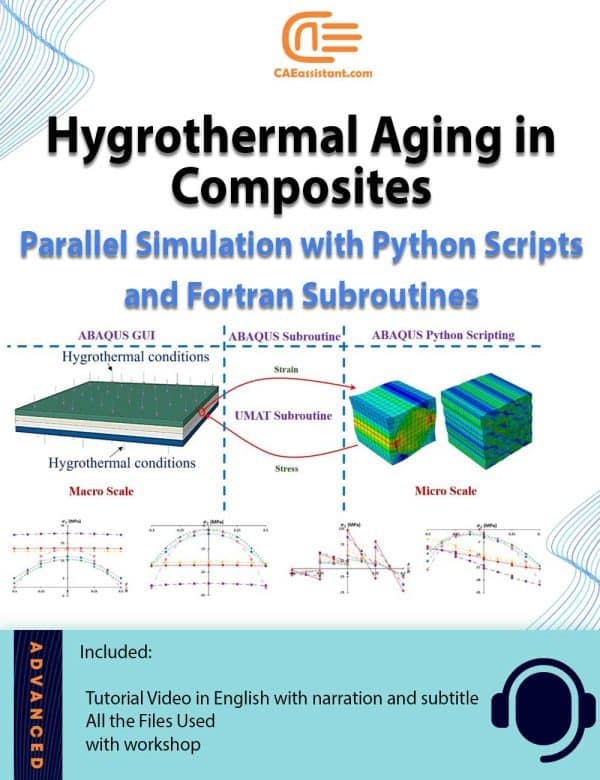

层合复合材料湿热老化多尺度分析


利用Abaqus脚本进行微动疲劳失效仿真
本软件包提供了一套关于如何使用 Abaqus 进行微动疲劳失效模拟的全面教程。它将理论知识与有限元方法 (FEM) 模拟的实际应用相结合,并通过详细的课程讲解和互动式研讨会指导用户。实际上,本软件包专注于在 Abaqus 中开发二维微动疲劳模型,其核心内容涵盖三个方面:使用专门设计的网格划分方法创建模型、开发用于详细分析的自定义场输出,以及通过 Python 脚本实现参数的自动选择和后处理。.
在本教程中,学员将掌握微动疲劳失效仿真的关键方面。教程内容涵盖从网格细化技术和步长控制优化到完整工作流程自动化的基础知识。该程序独特地集成了命令行操作,用于提取场输出和修改仿真参数。例如,我们可以参考摩擦系数(CoF)。用户在理解微动疲劳失效现象的基本原理的同时,还能获得创建稳健模型的实践经验。.
完成课程后,学员将掌握独立开发和分析微动疲劳失效模拟的技能。此外,他们还能实现后处理任务的自动化,并实施自定义分析参数,从而对机械系统的疲劳进行精确预测。.


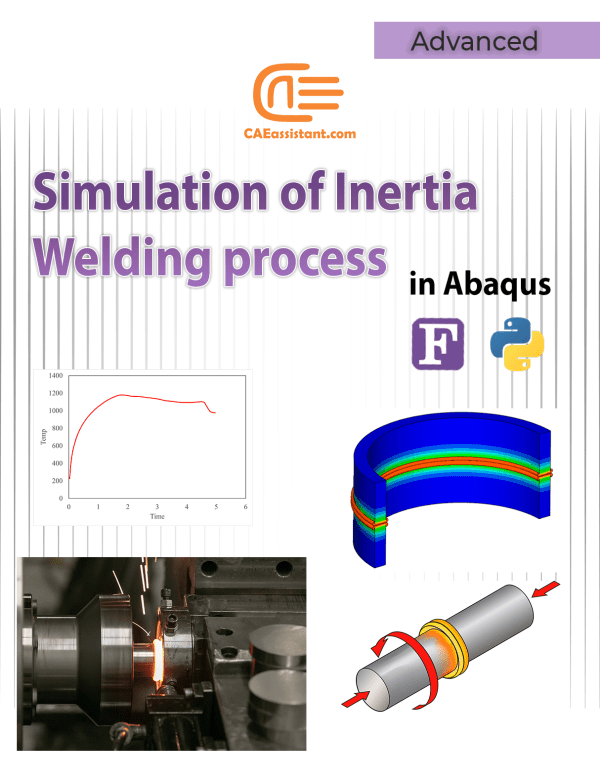

在Abaqus中模拟惯性焊接过程 | Fortran子程序和Python脚本
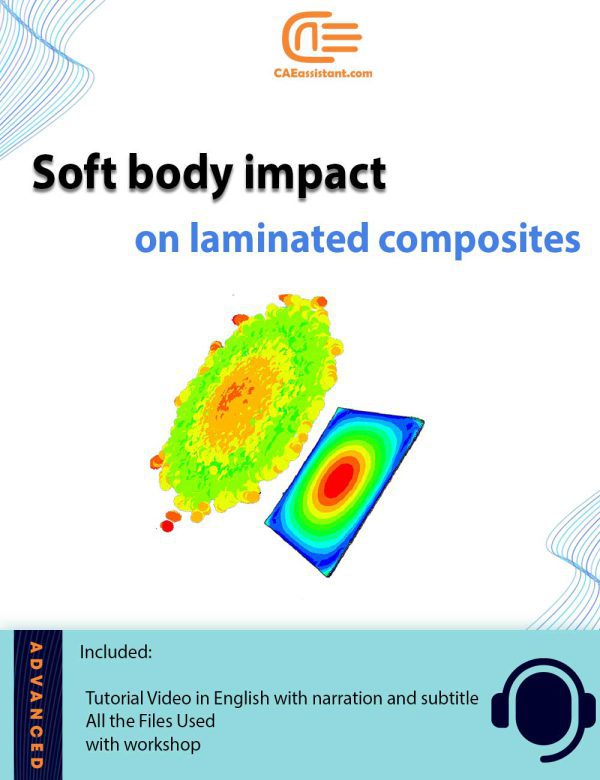

A Comprehensive Tutorial for Soft Body Impact Composites Simulation
This comprehensive tutorial package focuses on simulating soft body impact composites on laminated composite materials using the Finite Element Method (FEM) in Abaqus. The course covers key topics such as soft body modeling, metal material modeling, composite material modeling, composite to composite interface modeling, metal to composite interface modeling, interaction between soft bodies and FML, interaction between layers, and Python scripting for parametric studies. Users will explore different material models and learn about impact failure mechanisms, including matrix failure, fiber failure, shear failure, and delamination. The course is structured into lessons that cover theoretical aspects, followed by hands-on workshops to model soft body impacts, apply material properties, and analyze post-processing results such as forces, displacements, and energy dissipation. It also includes an advanced section on Python scripting, enabling users to automate parametric studies for complex simulations. This package is ideal for engineers, researchers, and students looking to deepen their understanding of soft body impact phenomena and composite material behavior.
The videos become accessible three days after purchaseItems marked as “Coming soon” in the syllabus are not currently part of the package and will be added later as an update.
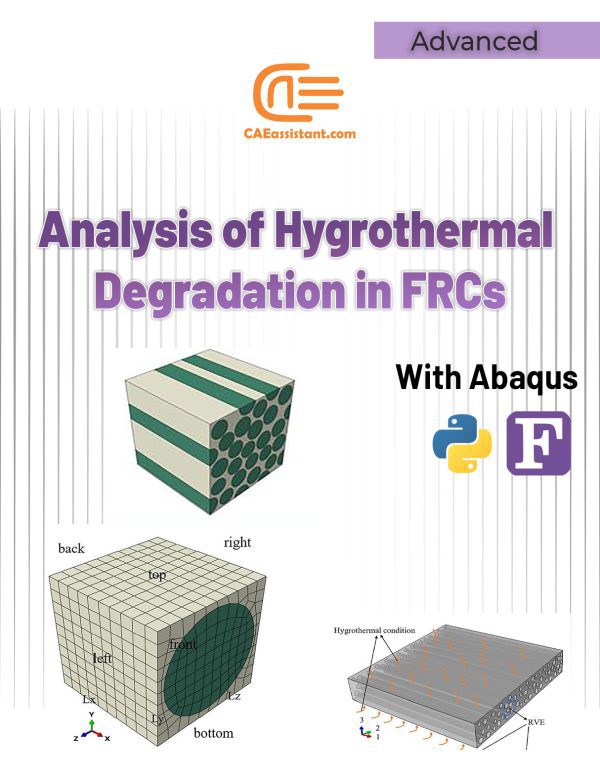
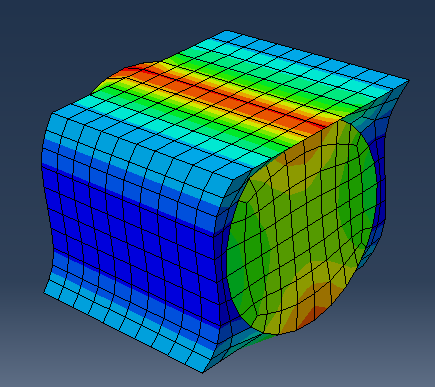
复合材料的湿热效应 | 纤维增强复合材料的退化 Abaqus 模拟:Python 和子程序
在本教程中,我们将探讨 湿热降解复合材料 使用功能强大的并行有限元分析工具 ABAQUS。航空航天、船舶和汽车等行业高度依赖这些复合材料,因为它们具有高强度重量比和多功能性。然而,长期暴露于潮湿和高温环境中会降低其机械性能,因此需要进行分析。 复合材料的湿热效应 对确保耐用性至关重要。.
ABAQUS 允许通过 Python 脚本和 Fortran 子程序对这些环境条件进行精确建模。这种组合能够跨多个处理器高效地进行仿真,从而深入了解不同条件下关键弹性性能(例如杨氏模量和剪切模量)的变化。通过利用 ABAQUS Python 脚本微观建模 (APSMM) 算法和自定义子程序,工程师可以预测纤维增强复合材料的长期性能,从而优化设计并提升材料在航空航天和船舶等关键领域的性能。.
在本Abaqus并行有限元分析教程中,我们介绍了进行并行有限元分析(例如微观-宏观尺度分析)所需的软件技能。本教程涵盖了编写用于无图形用户界面(noGUI)环境的Python脚本代码以及用于Abaqus子程序环境的Fortran代码所需的所有内容,以便通过Abaqus软件执行并行有限元分析。您可以点击此处下载本教程的大纲。.


一种高效的具有任意裂纹的复合材料刚度退化模型 | Abaqus仿真

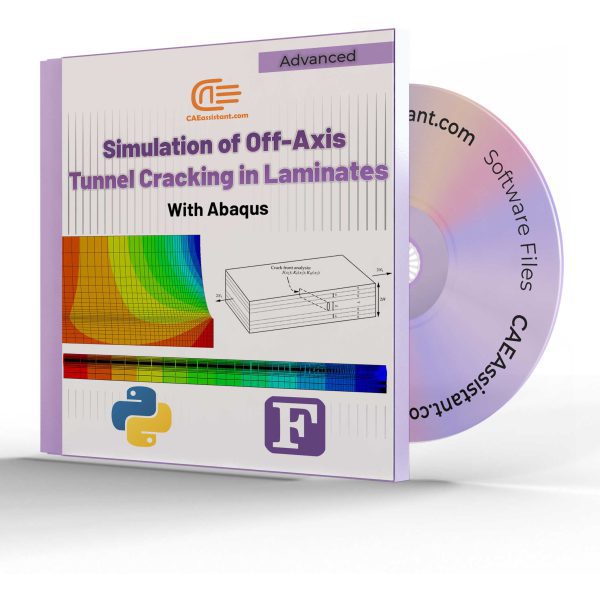
非轴向隧道开裂层合板的先进有限元分析
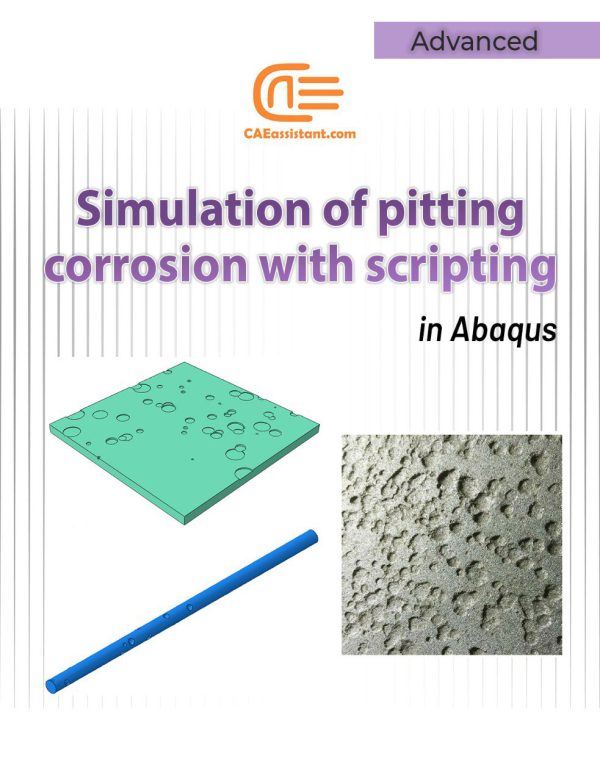

利用Abaqus脚本模拟点蚀机理


连续钢筋混凝土路面(CRCP)分析
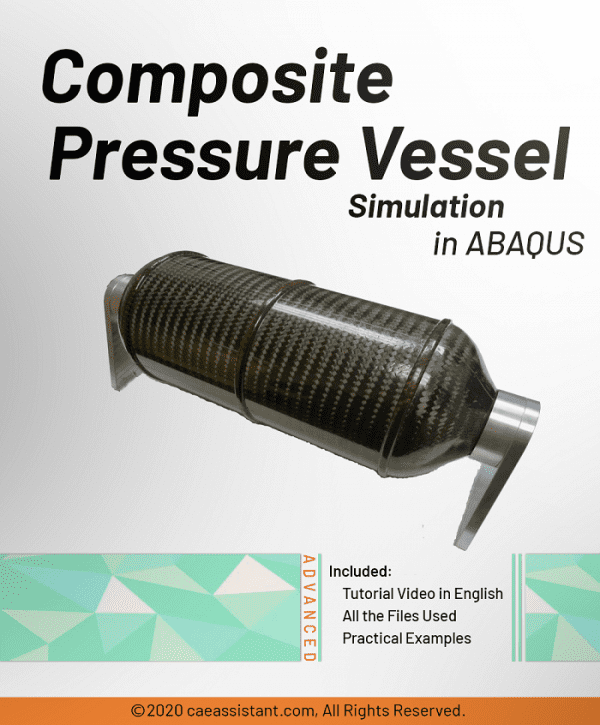

ABAQUS中的复合压力容器仿真
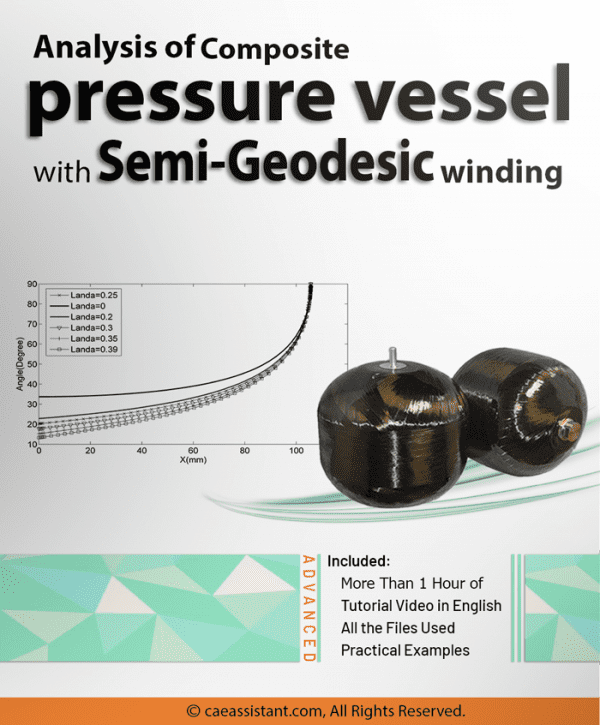

采用半测地线缠绕法的复合压力容器分析

用于将 CFD 中的载荷传递到 Abaqus 结构模型的脚本

Abaqus Python 脚本编写完整教程
基于 Abaqus 子程序和 Python 的增材制造仿真 | 固有应变法
ABAQUS 中的 Python 脚本编写(第二部分)

 English
  Korean
  Chinese